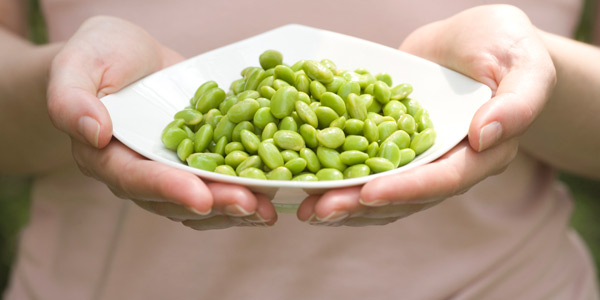
Why is Soy considered the miracle legume? How can adding soy to your diet lower your risks for heart disease, some forms of cancer, osteoporosis and other conditions?
Here are top 10 on why women need to make soya an essential part of their diet.
1. A complete source of protein: The protein in soy is of the same nutritional quality as the protein found in milk, which means that it is extremely beneficial for human physiological needs. Compared to all other beans, soybeans have the highest amount of protein. In fact, 38% of the soybean’s edible weight is protein, with the rest coming from carbohydrate and fats.
2. Good source of Phytochemicals: Soybeans contain a variety of phytochemicals (or phytoestrogens), that have been proven to have a profound effect on human health. In fact, soy foods are the only food with nutritionally significant amounts of one type of phytochemical known as isoflavones. The three major isoflavones found in soy are genistein, daidzein and glycitein. The amount of isoflavones found in a particular soyfood depend on how that food was processed. Tofu, soynuts and soy milk have higher levels of isoflavones (from 37-108 mg per ounce), while foods made from a combination of soy and grains have less (soy sauce, soybean oil).
3. Anti-cancer effect: The major isoflavones in soy — genistein and daidzein exert antioxidant ability. In the instance of cancer, Genistein and daidzein disarm free radicals that would otherwise trigger cellular mutations. “These isoflavones also boost levels of some of the body’s own antioxidants.”
Another weapon in soy’s anticancer arsenal involves angiogenesis. Angiogenesis is the process of forming new blood vessels. Under normal circumstances, new blood vessels are formed only during limited times: ovulation, pregnancy and wound healing. Angiogenesis steps into high gear when a cancerous tumor starts growing in the body. Large amounts of new blood vessels are needed to feed the enlarging tumor and to shuttle away its waste products. Isoflavones help to prevent this angiogenic process during cancer development. The daily intake can vary from approximately 2-3 servings. We define a serving of soy as being 6-7 grams of soy protein and 12-14 milligrams of isoflavones. It is very easy to include this amount of soy in the diet with such soy foods as soy milk, roasted soynuts, soy cereal, soy snack bars, soy meat or cheese alternatives.
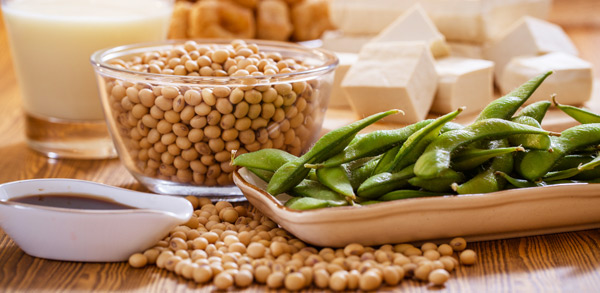
4. Protection Against Osteoporosis: A recent study published in the American Journal of Clinical Nutrition compared the effect of soy protein (with varying amounts of isoflavones added) and milk protein on postmenopausal women’s bone density and mineral content. The soy protein diets were fortified with calcium to equal that of the control diet. Results showed that both bone mineral and density increased significantly in the group that ate soy protein with a higher content of isoflavones. Thus, the results indicate a potential role for soy protein with isoflavones in maintaining bone health in postmenopausal women. Recently, two studies have shown isoflavone-enriched soy supplements boost women’s spinal bone density after or during menopause.
5. Enhanced calcium absorption: Soy protein has an indirect impact on calcium levels by enhancing calcium retention, which is normally impaired when consuming an animal protein diet. The amount and type of protein in the diet will have an important impact on calcium absorption and excretion. While animal protein has been shown to increase calcium excretion, soy protein does not result in an increased loss of calcium in urine.
6. Battle against heart disease: Soy protein and its isoflavones have several beneficial effects on the heart, and thus consuming soy may help reduce the risk for cardiovascular disease. Not only is soy cholesterol-free, but it contains genistein (an isoflavone) which inhibits the oxidation of cholesterol already in your body. Soy has favorable effects on all the blood lipid levels, including total cholesterol and LDL cholesterol. Soybean oil is also rich in the essential fatty acids (fatty acids that our body needs but cannot produce by itself), linoleic and linolenic acids. About 7% of the fat in soybean oil is a-linolenic acid, which is an essential polyunsaturated fat that may help lower risk for stroke or heart attack by inhibiting formation of blood clots.
Soy isoflavones also decrease the tendency for blood clots to form, and thus have health-protective effects on blood vessels.Studies show that substituting soy for animal protein helps to lower total and LDL (“bad”) cholesterol and triglycerides, without lowering HDL (“good”) cholesterol in individuals who suffer from elevated blood cholesterol levels. Soy isoflavones have been suggested to increase arterial flexibility and prevent oxidation of cholesterol, which help to reduce heart disease risk. The FDA states, “25 grams of soy protein per day, as part of a diet low in saturated fats and cholesterol, may reduce the risk of heart disease.”
7. Fibre: Soybeans and other soybean products such as soy flour and tempeh, are an excellent source of dietary fiber(15% by weight). However tofu and soy milk contain a very little amount of dietary fiber.

8. Alternative therapy for menopausal symptoms: Soy phytoestrogens may help reduce hot flashes and other discomforts of menopause. Phytoestrogens in Soy help alleviate hot flashes. Half of all menopausal women in the U.S. complain of hot flashes. In Japan the problem is so rare that there is not even a word for it. According to a recent study on “Benefits of Soy Isoflavone Therapeutic Regimen on Menopausal Symptoms”(March 2002) isoflavone 100-mg regime treatment may be a safe and effective alternative therapy for menopausal symptoms and may offer a benefit to the cardiovascular system.
9. Excellent for Vegetarians: Soybeans contain high quality protein, and are low in fat and cholesterol-free, thereby making it an excellent substitute for high-fat meats. Soybeans and soy products are also rich in calcium, copper, magnesium, and B vitamins, such as folic acid.
10. Lower rate of kidney disease: Soy protein is easier on the kidneys than is animal protein. Soy milk may help prevent kidney damage and is helpful for people with impaired kidney function.
Soybeans continue to be widely researched for their health protective benefits. Studies have shown that including soy in our diet may help protect against heart disease, cancer, and osteoporosis, and research continues to show other beneficial effects that soy consumption may offer to our general well-being. Overall, including soy foods in moderation and as a part of a balanced diet that includes fruits, vegetables, whole grains, and lean meats is a smart decision that can help you maintain a healthy body and prevent disease.
Disclaimer
The Content is not intended to be a substitute for professional medical advice, diagnosis, or treatment. Always seek the advice of your physician or other qualified health provider with any questions you may have regarding a medical condition.