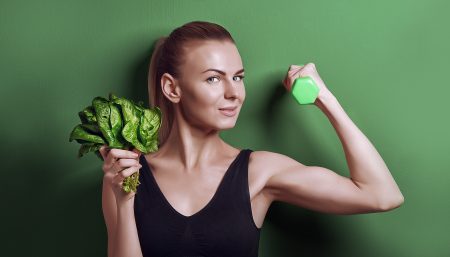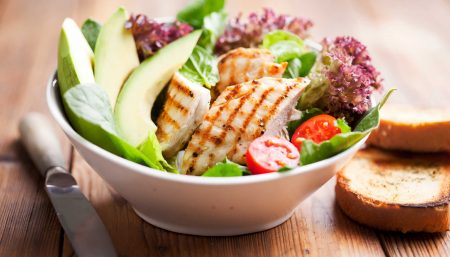
Once upon a time, the “best” sports diets were based on steak and eggs. Supposedly, meat-eating athletes were stronger, more muscular, and more aggressive. Today, we know that strength and muscles are built with exercise (not extra protein), and that carbohydrates provide the fuel needed for muscle-building exercise.
But in the transition from a high-protein to high-carbohydrate diet, many athletes have eliminated meat–and have also overlooked the importance of protein. Some have taken the public health recommendations to eat less saturated fat to the extreme and are surviving on fat-free bagels and pasta. This type of diet may seem ideal, but in addition to being low in protein, it lacks important nutrients such as iron (needed to carry oxygen to working muscles) and zinc (needed for healing).
Incomplete protein intake can actually cause hindrance on the path towards achieving a healthy and fit body. You might even end up often having lingering colds, nagging injuries, poor recovery from workouts, and overall fatigue as dietary imbalances take their toll.
Proteins have recently reentered the spotlight. Some sports nutrition gurus advocate getting as much as 30% of daily calories from protein, double the standard 12% to 15% recommendation. Here are some protein questions and answers that should help.

Why is protein important?
Protein is made up of chains of amino acids, some of which our bodies cannot manufacture. Protein is essential for building and maintaining muscles, as well as repairing the muscle damage that occurs during training. Proteins are also needed to make red blood cells, produce hormones, boost your immune (disease-fighting) system, and help keep hair, fingernails, and skin healthy. Women athletes who are protein deficient may complain about having hair that falls out easily and fingernails that grow slowly and break easily. They may also stop having periods .
How much protein do athletes need?
There isn’t an exact number because protein needs vary, depending on whether you are growing, rapidly building new muscle, doing endurance exercise, or dieting, in which case protein is used as a source of energy (table 1). Protein requirements for athletes are higher than the current recommended dietary allowance (RDA) of 0.4 g of protein per pound of body weight, which is based on the needs of non-exercisers. Protein recommendations for athletes are commonly expressed in a range to include a safety margin. If you do the math (1g of protein has 4 calories), you’ll see that you don’t need to have 30% of your calories come from protein.

Do bodybuilders need more protein than runners?
No. per pound of body weight, bodybuilders actually need less protein than endurance athletes such as runners. That’s because protein–or more precisely, the amino acids that are the building blocks of protein–is actually used for fuel during intense exercise, particularly when carbohydrates are not available. Protein can provide up to 10% of energy during exercise when a person is carbohydrate depleted.
But here’s the catch: Even though endurance athletes may need more protein per pound of body weight, they tend to need a smaller total intake of protein because they often weigh less than bodybuilders. For example, a 200-pound bodybuilder may need about 140 g of protein a day (0.7 g of protein per pound), whereas a 150-pound marathoner may need about 120 g of protein per day (0.8 g of protein per pound). Most women can get enough protein through their diet, eliminating the need for protein supplements.
Is red meat bad for athletes?
Lean cuts of red meats are not bad for athletes. The best choices include flank steak, London broil, eye of the round, and extra-lean ground beef. Besides being protein-rich, lean red meat is an excellent source of iron and zinc.
Some athletes are afraid of the cholesterol in red meats. But actually the cholesterol content of red meat is similar to that of chicken and fish. Yes, fatty hamburgers, pepperoni, bacon, and ribs are unhealthy and should be eaten only occasionally, if at all. But athletes can healthfully have about 4 oz of lean meat two to four times per week. In fact, a lean roast beef sandwich could be a healthier choice for the heart than a veggie sandwich packed with cheese.

Can athletes who choose a vegetarian diet get adequate protein?
Yes. Vegetarian athletes can eat enough protein to satisfy their bodies’ needs if they wisely choose plant proteins. Lacto-ova vegetarians (who eat eggs, milk, yogurt, cheese, and other dairy foods but no meat) can most easily consume adequate protein because these foods are excellent sources of life-sustaining protein and contain all the essential amino acids.
The key for total vegetarians, or vegans (who eat no milk, eggs or other animal proteins), is to eat a variety of grains that have complementary amino acids. For example, beans and rice is an example of mixing legumes (peas and beans) and grains. Also, tofu is an excellent addition to a vegetarian diet. Tofu has made headlines because it is a high-quality plant protein that contains all essential amino acids and offers the bonus of phytochemicals that protect against heart disease and cancer.
A word of caution: Although vegetarian athletes can consume adequate protein from their diet, they have to be willing to eat large amounts of plant proteins. This is often easier for men with hearty appetites than for weight-conscious women. If you are eating a vegetarian diet that consists primarily of grains, fruits, and vegetables, you are probably eating an unbalanced diet. You need to consult with a sports nutritionist who can help you add the right amount of protein.
Disclaimer
The Content is not intended to be a substitute for professional medical advice, diagnosis, or treatment. Always seek the advice of your physician or other qualified health provider with any questions you may have regarding a medical condition.