


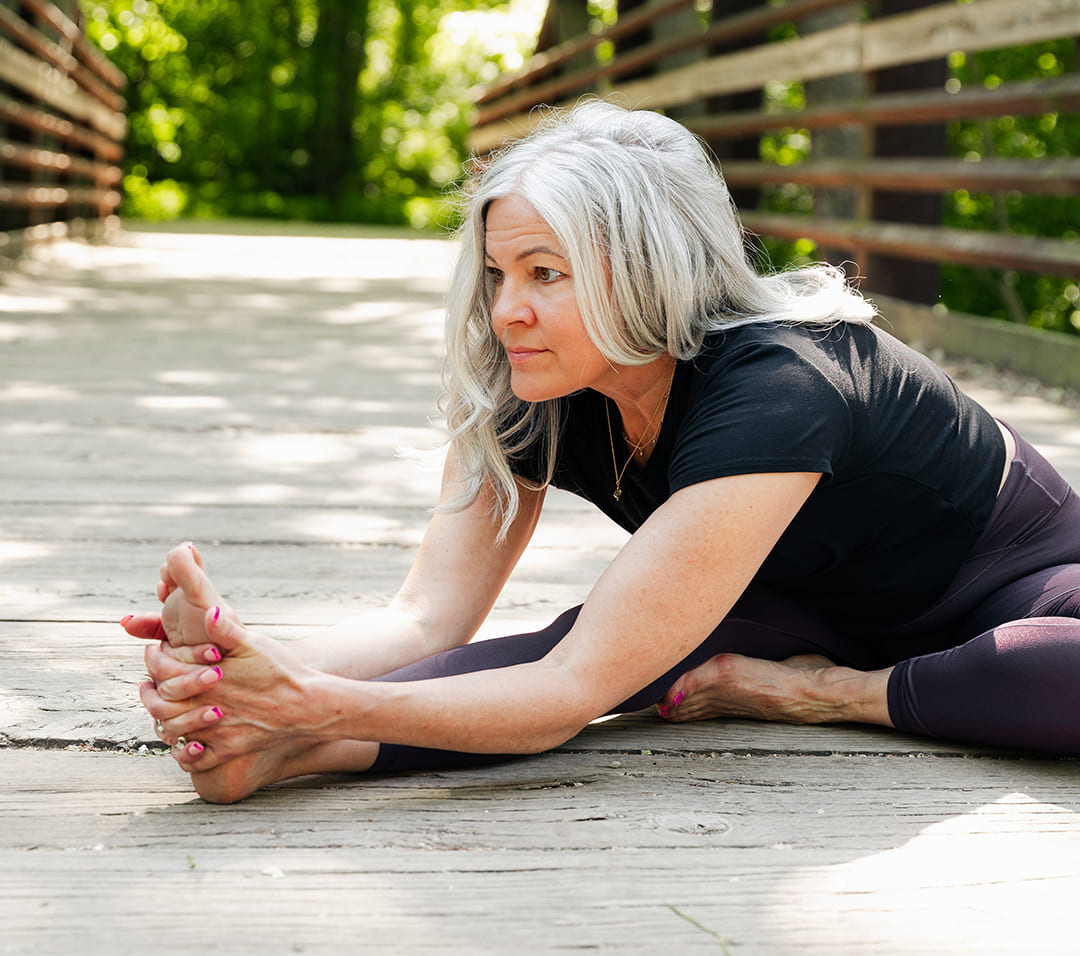

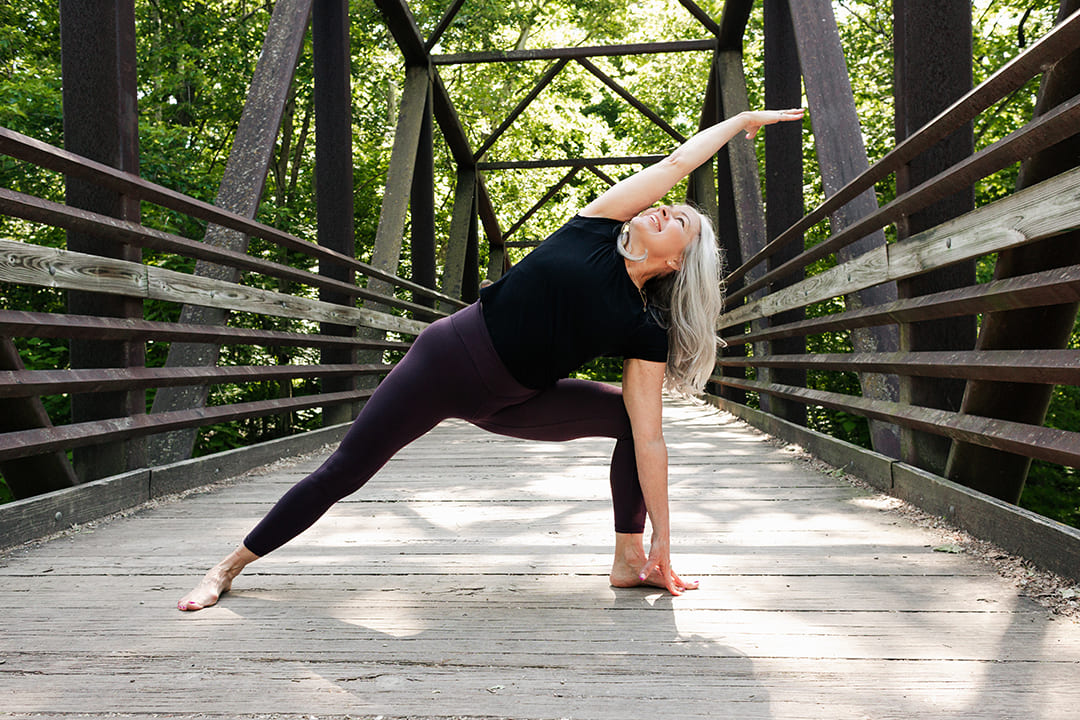
Yoga has the remarkable ability to heal, transform, and bring us back to ourselves—a truth Tiffany Borst knows firsthand. Blending movement, mindfulness, and self-inquiry, her yoga journey has been one of continuous learning and profound personal growth.
As a therapist, embodiment coach, and yoga teacher, Tiffany blends psychology, mindful movement, meditation, and self-study into a deeply transformative healing approach that helps women regulate their nervous systems, release emotional tension, and rediscover their authentic selves.
This International Yoga Day special feature, Tiffany reflects on the lessons yoga has taught her about resilience, self-compassion, and living with greater intention.
When it comes to healing and self-growth, you often speak about two core questions: “Am I safe?” and “Am I enough?” Why are these so central to emotional wellbeing?
The nervous system is always scanning for safety. If our body does not feel safe, we naturally resist change, growth, and healing. That’s why the first step in any healing journey is creating a sense of safety within the body.
Once safety is established, the deeper emotional work often revolves around self-worth. So many women carry subconscious beliefs that they are “not enough” or “too much.” These beliefs shape the way we move through life, relationships, and even our careers. Healing is ultimately about reconnecting with our inherent worth and learning to embody our most calm, confident, joyful Self.
I truly believe every woman deserves to live a life aligned with her authentic purpose, and helping women reconnect with that truth feels like my Soul’s work.

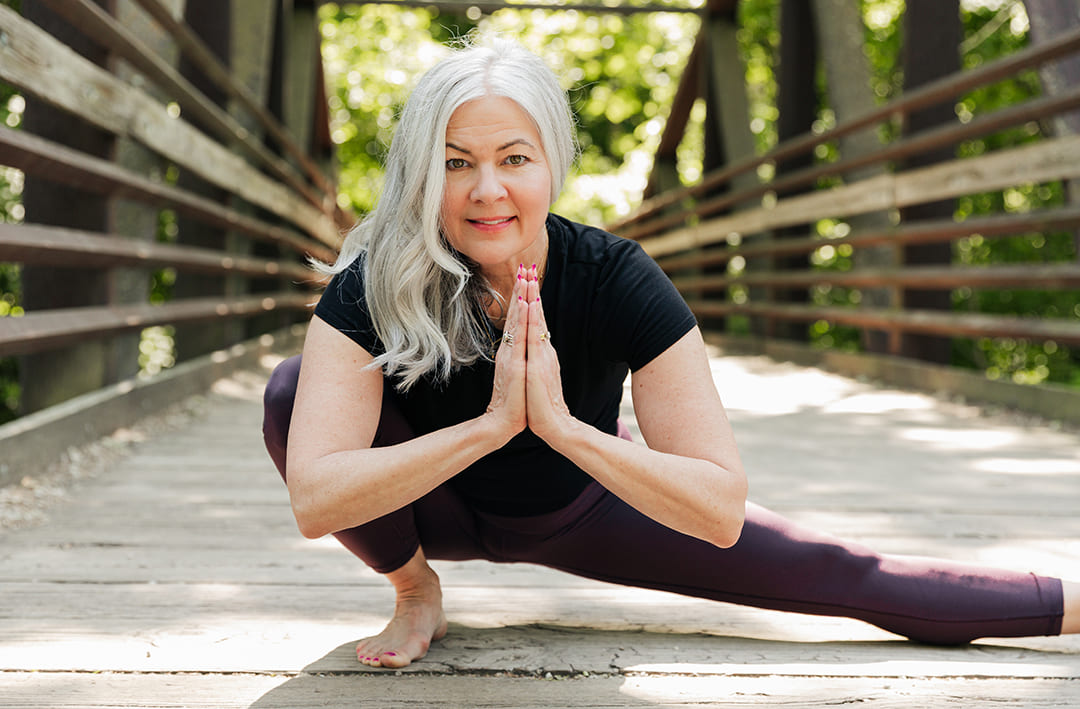
Your method combines movement, meditation, and self-study. How do these practices work together to create healing?
Most of the women I work with are high-achieving but deeply anxious. They’ve learned to push through stress and exhaustion to succeed, but eventually the body says, “Enough.”
Mindful movement helps them slow down and reconnect with their internal world. Unlike intense fitness routines, this movement is gentler and intentional. It allows the nervous system to regulate and creates a sense of safety where emotional tension can finally begin to release.
Self-study then helps women recognize the subconscious patterns, limiting beliefs, and protective behaviors that are keeping them stuck. Journaling, therapy, and reflection all become powerful tools for understanding the Self more deeply.
Meditation is where true transformation happens. In deep states of stillness, we access the subconscious mind and begin rewiring limiting beliefs. Meditation helps us visualize and meditationembody the person we are becoming rather than simply understanding our struggles intellectually. Together, movement, meditation, and self-study create a truly holistic healing system.
In today’s fast-paced and stressful world, why do you believe yoga is more relevant than ever?
Modern life keeps us in a constant state of nervous system dysregulation. We are always rushing, multitasking, consuming information, and caring for everyone else before ourselves. Even our downtime often involves scrolling on our phones instead of truly resting.
Yoga invites us to slow down, connect with our breath, and return to the present moment. When we step onto the mat, the nervous system begins to feel safe again. We regulate emotionally and physically.
I experienced this personally. Before yoga, I was a young working mom of four doing intense workouts and silently struggling with anxiety. On the outside everything looked perfect, but internally I felt overwhelmed and emotionally exhausted. Ironically, I was already a therapist helping others manage anxiety while struggling with my own.
When I first tried yoga, I honestly hated it because it felt too slow. But something inside me knew it was exactly what I needed. Over time, yoga became my emotional lifeline. It helped me regulate my nervous system, reconnect with myself, and ultimately transformed my life.
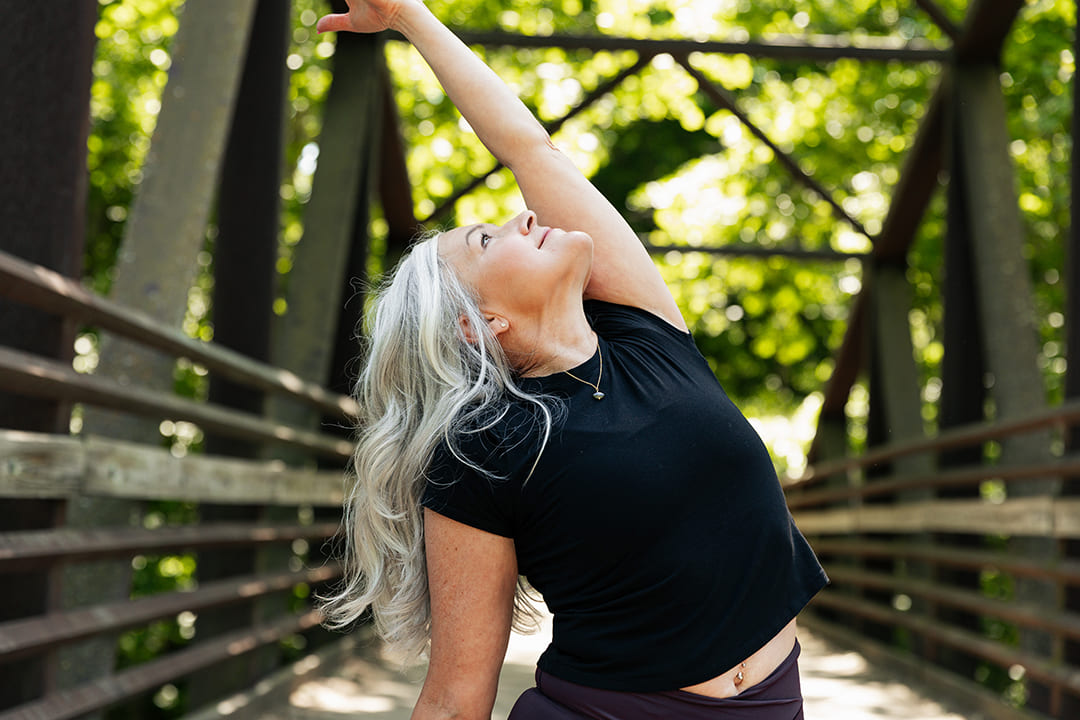
As both a therapist and yoga instructor, how do you see the connection between emotional health and movement?
The body stores emotional experiences. Unprocessed emotions, stress, and trauma often become trapped within the body as tension, inflammation, discomfort, or chronic pain.
If we focus only on the mind, we miss a huge part of the healing process. Somatic awareness and mindful movement help release stored emotional energy. Movement becomes a way to let go of what we no longer need while embodying how we want to feel.
Movement also supports emotional wellbeing chemically by releasing dopamine, serotonin, and endorphins. As emotional heaviness begins to clear, we become more capable of stillness, meditation, and deeper emotional healing.
True healing happens when the mind and body are included together.
What role does meditation play in achieving inner peace and emotional balance?
Meditation allows us to access deeper levels of consciousness where real change can occur. Through stillness and breath awareness, the nervous system calms and we connect with our intuition and inner wisdom.
Many people feel intimidated by meditation, so I encourage them to begin with simple moments of stillness. Sit outside with tea, listen to birds, or replace a few minutes of scrolling with silence. Even these small moments can significantly reduce stress and anxiety.
One of my favorite approaches is “parts work” meditation, where clients visualize different parts of themselves—perhaps a younger wounded self or an older wiser self. Through visualization and compassion, they begin healing old emotional wounds and reconnecting with self-worth.
Meditation moves us out of our overthinking minds and back into our hearts.
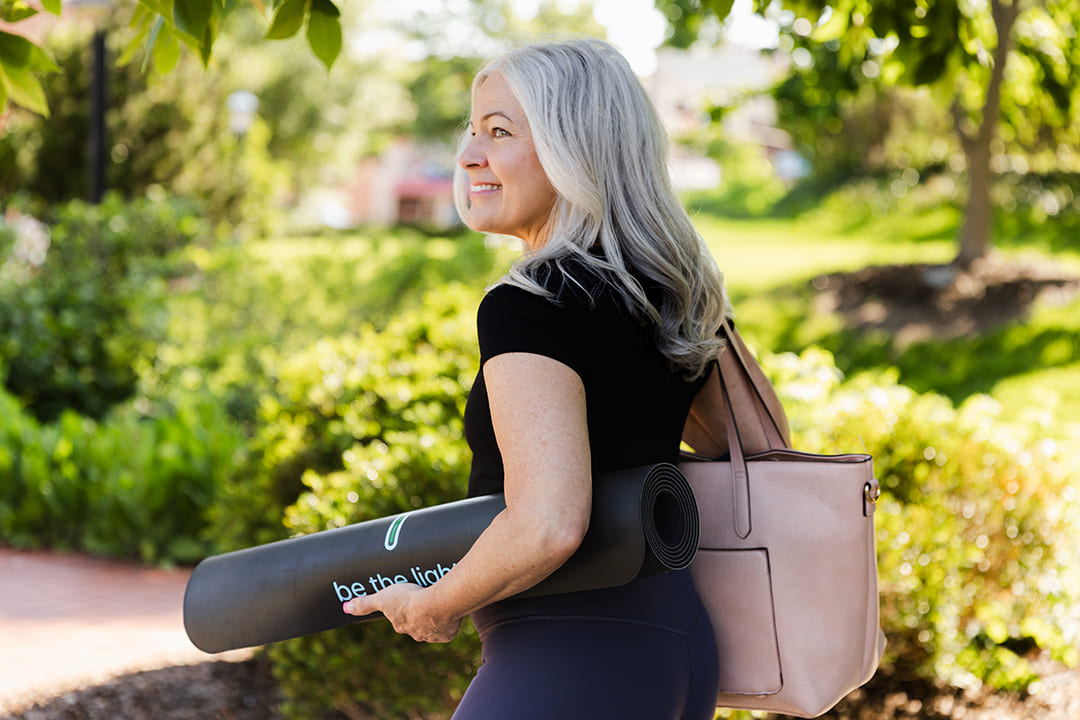
How can yoga help women cope with anxiety, burnout, and emotional overwhelm?
Yoga creates something many women desperately need: space for themselves. Women often spend so much energy caring for others that they neglect their own emotional and physical needs, eventually leading to burnout.
Stepping onto the mat becomes an act of self-care and self-respect. It allows women to pause, breathe, and reconnect with themselves. Over time, practicing yoga consistently teaches the nervous system how to return to calm more easily.
This repeated experience literally creates new neural pathways that improve emotional resilience and stress regulation. Ancient yogic wisdom is now strongly supported by modern neuroscience, and it’s incredible to witness.
What is simple mindfulness or breathing practices people can incorporate into their daily lives?
I encourage my clients to create a daily 30-minute self-care window with flexibility and compassion. This time can include movement, stillness, journaling, or breathwork depending on what they need most that day.

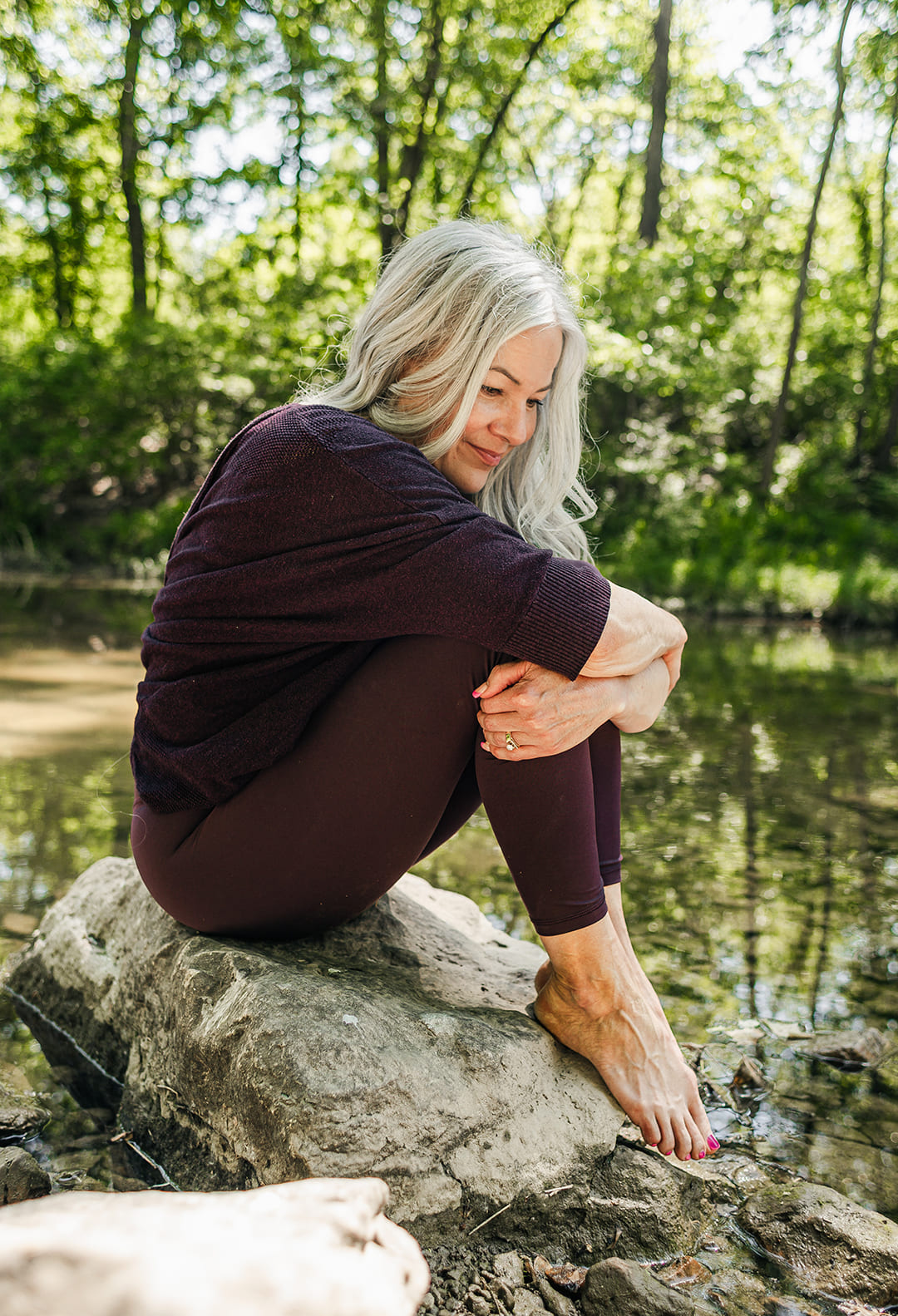
Some simple practices I love include:
- Slow nature walks with sensory awareness
- Supported or weighted savasana for nervous system relaxation
- Somatic shaking exercises to release tension
- Heart-centered breathing with slow, even inhales and exhales
- Gratitude journaling to train the brain toward emotional regulation and joy
Gentle consistency matters far more than perfection.
How important are self-awareness and self-study in the healing journey?
Self-awareness is essential because healing requires us to recognize the subconscious patterns that shape our lives.
From childhood, many of us internalize messages that we are not enough in some way. In response, we develop protective behaviors to earn love, approval, or safety. While those patterns may once have helped us survive emotionally, they often keep us stuck as adults.
Self-study helps us identify those patterns so that we can begin rewiring them with compassion and awareness.
Can yoga help people reconnect with joy and purpose in life?
Absolutely! This is truly the magic of yoga.
Yoga is not just physical exercise—it is an ancient system designed to guide us back to union with our authentic Self. During my yoga teacher training, learning about the Koshas—the layers of the Self—were a profound moment for me. The deepest layer, the Anandamaya Kosha or “bliss body,” represents joy, purpose, and authentic living.
As we heal layer by layer, we reconnect with who we truly are beneath stress, fear, and conditioning. That realization inspired me to combine yoga and psychology in my work and eventually create my guided journal, Becoming Your Highest Self.
The yoga journey is ultimately a journey back to your Soul’s purpose.

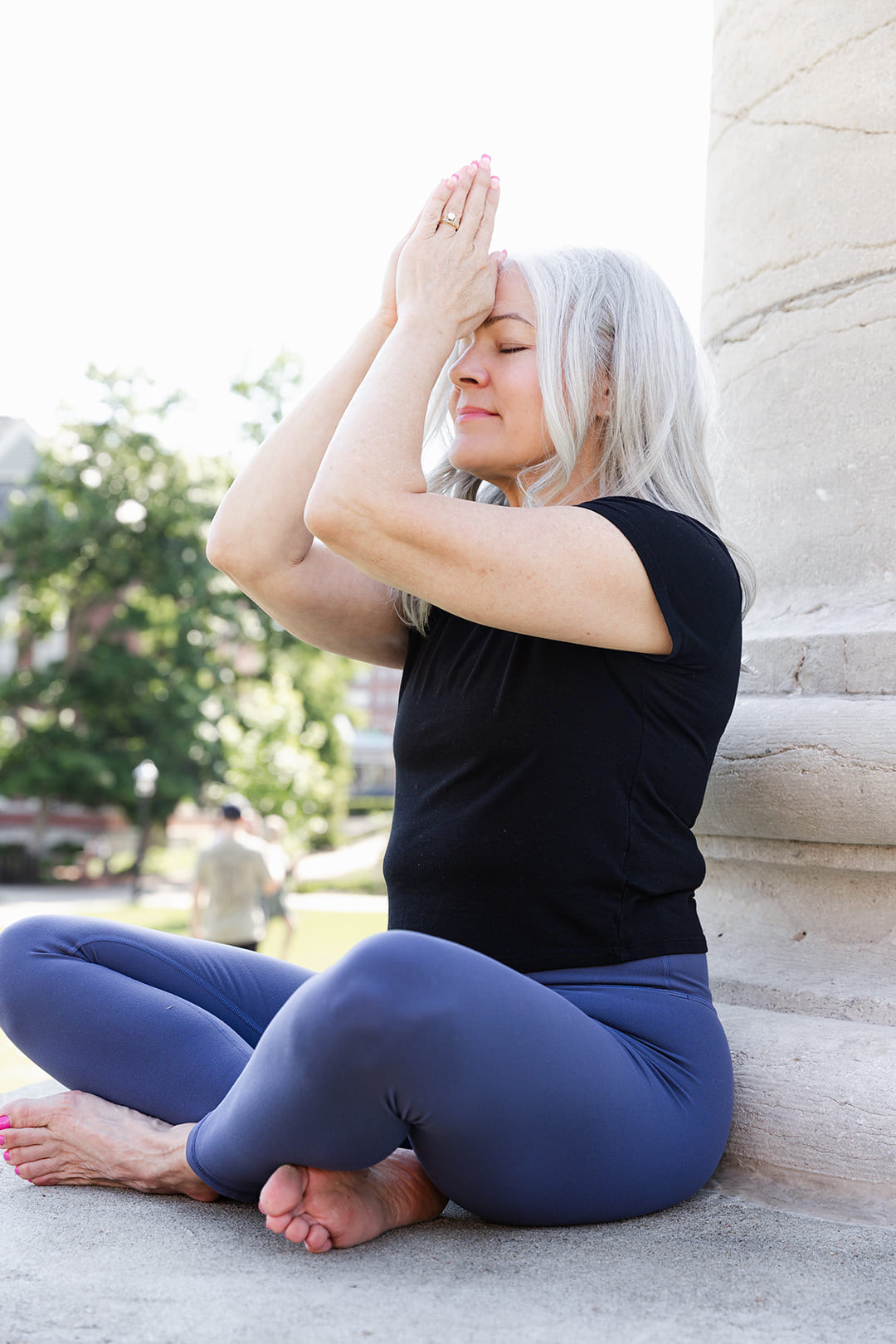
What does “true peace and joy” mean to you today?
Today, peace and joy feel much simpler and more grounded than they once did.
In a culture constantly encouraging us to do more and want more, I find joy in everyday moments—walking my dog on nearby trails, beginning my day on the mat, spending time with loved ones, or watching the sunset with a cup of tea.
When we slow down, unplug from constant stimulation, and reconnect with what truly matters, the nervous system finally regulates. And in that space, we realize joy was never missing—it was already present in the simple moments of life.
Message for International Yoga Day, for women around the world
The message I want every single woman around the world to know is that the most calm, confident, joyful version of you, the woman you dream of becoming, is already within you. She is already there, just waiting. Cheering you, believing in you, knowing deeply that you have always been enough. Keep going.
Through her unique blend of psychology, yoga, mindful movement, meditation, and self-study, Tiffany Borst reminds us that healing is not about becoming someone new—it is about returning to our truest Self.