Granulated Eyelids or Blepharitis
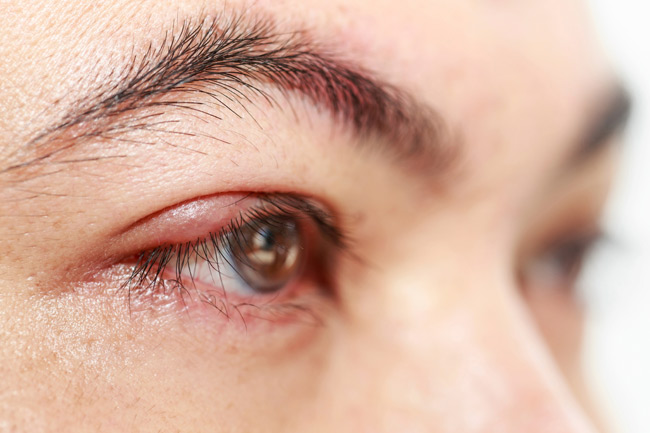
Blepharitis refers to inflammation of the eyelids, particularly at the lid margins. It's a common disorder and may be associated with a low-grade bacterial infection or a generalized skin condition. Blepharitis is not sight threatening, but can be particularly troublesome since it can recur
The outer layer of the eyelid is composed of skin, while the inside of the eyelid is lined with moist tissue. Muscles and glands are located between the skin and the moist lining. The eyelashes are located on the eyelid margins, the area which come together when the eyelid is closed. Tiny openings from which glands secrete the oily part of tears are also located on the eyelid margin. The eyelid margins are the areas most often affected by blepharitis
In this condition there is a problem with the eyelids ..... the glands in the eyelids block and become slightly inflamed. These tiny glands normally make chemicals that help the tears to spread evenly across the surface of the eye. But when the glands block they do not produce these chemicals, and so the tears do not spread evenly. This makes the eyes sore.
Type:
There are several different types of blepharitis, all of which are due to inflammation of the eyelid margins, sometimes combined with blockage of the meibomian glands. These glands open onto the edges of the lids and produce oil which is an important component of tears.
- Seborrheic blepharitis - is associated with dandruff of the scalp and may be part of an overall skin disease (seborrhea) which also affects the chest, back, and behind the ears. With seborrheic blepharitis, the glands of the eyelid produce an abnormal quantity and quality of teat film, which normally coats, protects, and lubricates the eye.
- Staph blepharitis - is a more severe condition which often begins in childhood and continues through adulthood. Infective in nature, staph blepharitis continues through adulthood. Infective in nature, staph blepharitis is caused by bacteria (staphylococcus aureus).
- Anterior blepharitis - affects the outside front of the eyelid where the eyelashes are attached.
- Posterior Blepharitis (meibomianitis)
- Herpex Simplex Blepharitis - The classic appearance involves an accumulation of small vesicles or pustules along the lid margin and/or periocular skin. These lesions typically have an inflamed, erythematous base. Within the first week of infection, the vesicles may ulcerate or harden into crusts.
Causes :
Blepharitis is usually caused by a germ called a bacteria.
The conditions that can cause Blepharitis includes:
Tests for dry eyes-The main test is the 'schirmers tear' test. A filter paper strip measures the amount of tears made in 5 minutes. The test time can be reduced to 1 minute
The two most common causes of anterior blepharitis are bacteria (Staphylococcus) and scalp dandruff. Two skin disorders can cause this form of blepharitis: acne rosacea, which leads to red and inflamed skin, and scalp dandruff (seborrheic dermatitis).
Other risk factors are:
- Overcrowding
- Poor hygiene
- Elderly
- Dry eyes
Signs & Symptoms :
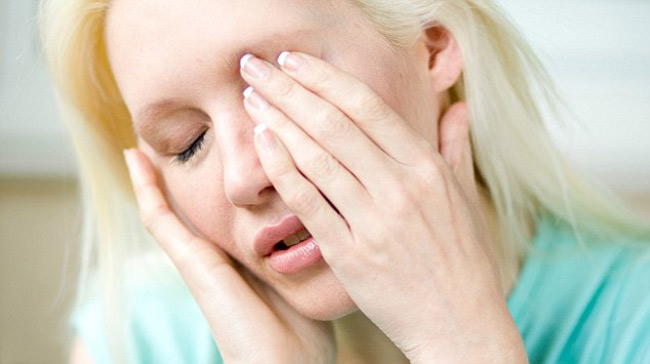
Regardless of which type of blepharitis you have, you will probably have such symptoms as eye irritation, burning, tearing, foreign body sensation, crusty debris, dryness, and red eyelid margins.
- Foreign body in the eye sensation - Feeling like sand or grit is in the eye
- Burning eye sensation - occurring as Burning or stinging eye pain.
- Excessive tearing - Tearing, or having too many tears, can come from being sensitive to light, wind, or temperature changes. Protecting your eyes (by wearing sunglasses, for instance) sometimes solves the problem. Tearing may also mean that you have a more serious problem, such as an eye infection or a blocked tear duct.
- Affecting one or both eyes
- Itching
- Light sensitivity (photophobia) - Dislike, sensitivity or avoidance of bright light
- Red eyelids - Redness of one or both eyelids
- Swollen eyelids
- Warm eyelids
- Sore eyelids
- Itching eyelids
- Burning eyelids
- Scaling of the eyelids
- Red eye
- Blurred vision
- Frothy tears
- Dry eye
- Crusting of the eyelashes - usually on awakening in the morning
- Eyelids glued shut
- Matted eyelashes
- Loss of eyelashes
Diagnosis : Your doctor can diagnose blepharitis based on your symptoms and a physical examination. Treatment :
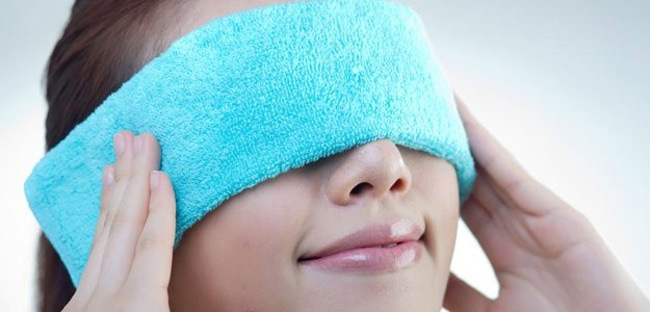
Hot Compresses hold a clean flannel soaked in comfortably hot water against the (closed) eyelids for 5 minutes. (You will need to reheat the flannel in hot water as necessary when it cools). This melts the oils in the blocked glands. NEVER share flannels with others. Lid Massage
Using a finger / cotton bud firmly stroke the skin of the lids towards the lashes, i.e. downwards for the top lid and upward for the bottom lid. Massage the whole width of the eyelids. This helps unblock the meibomian glands and expresses the oils
Cleansing
It is often difficult to distinguish between the two types of blepharitis, as they frequently appear together. The main difference is the presence of ulcers with staph blepharitis. These ulcers are not present with seborrheic blepharitis. However, both forms of the disease are treated similarly. Treatment of blepharitis is concentrated on maintaining very clean eyelid margins. The eyelids must be kept immaculately clean.
Maintaining very clean eyelid margins is one of the most important aspects of treatment for blepharitis.
To cleanse:
- Loosen crusts and oil debris by placing a clean washcloth dampened with warm water over closed lids for five minutes.
- Create a cleansing solution by mixing three drops of baby shampoo with two or three ounces of warm water. or a sodium bicarbonate solution, by adding a quarter teaspoon of Sodium Bicarbonate to a cup of cooled, boiled water.
- Moisten a washcloth or cotton swab with the cleansing solution and rub the base of the eyelashes to remove loosened skin and crusts.
- Rinse the lids with warm water and pat gently with a clean, dry towel.
While cleansing:
- Do use a bud only once
- Do use several buds per eye
- Do NOT dip a used bud into you solution
- Do NOT use buds from eye to eye
- Do NOT clean inside the lids
If the condition does not improve with cleansing alone, your doctor may prescribe antibiotic pills or ointment, or steroid eye drops. Put it on your eyelids daily. Follow caregiver's instructions carefully. Gently rub the ointment into the eyelashes and eyelids with a clean finger. The ointment may blur your vision for a short time. You may also be given antibiotic eye drops. Follow your doctor's instructions to use the eye drop medicine.
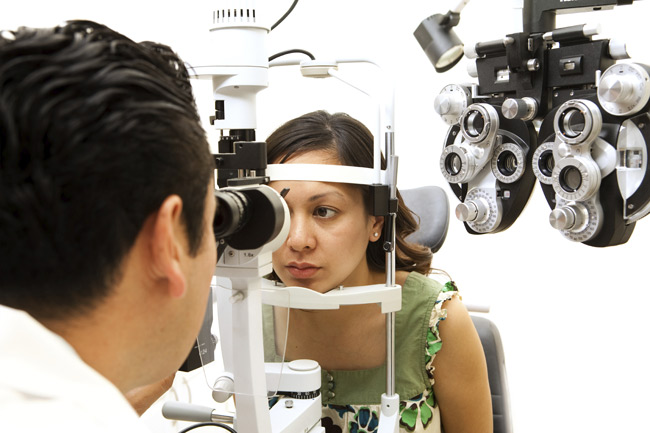
Call your doctor if you develop:
- Irritated eyelids or skin around the eyes
- Red, irritated eyes
- Frequent crusting around the lids
- A sensation that something is in the eye
- Ongoing symptoms despite appropriate treatment
Prevention :
The following may help prevent blepharitis.
- Wash your hands often with soap and dry with clean towels. Keep your hands away from your eyes.
- Do not wear eye makeup until the infection is gone.
- Do not wear contact lenses without the permission of the doctor..
- Stay away from places that contain dust or other things that may bother your eyes.
Regular eye examinations are the best prevention against any eye disease.
Listen To Podcast