“Breast feeding – that’s my number one secret,” for post pregnancy weight loss said Nicelle Herrington after losing 25 of the 29 pounds she gained during pregnancy. Heidi Klum who lost 30lbs in 6 months after her pregnancy also credits breastfeeding for her rapid post-natal weight loss. Women Fitness has a team of trainers, nutritionist, gynecologist to help you shed post-natal fat.

The benefits of breast-feeding for infants are numerous and well-known, but researchers are finding more and more that breast-feeding can be a boon to mom’s health as well. In fact, a study on the subject suggests that women who breast-feed have reduced amounts of abdominal fat, even decades later. Breast-feeding might lower a woman’s risk for type 2 diabetes, breast cancer, ovarian cancer and postpartum depression.
How much weight a mother will loose largely depends on how much she gained during pregnancy, her diet and active lifestyle. Women who gain more than the recommended amount have a harder time getting it off. Older mothers retain more weight than younger moms. Your body stores up fat during your pregnancy to provide the extra calories needed for milk production. It is easier to lose lower body fat (hips, buns, and thighs) when you are breastfeeding compared to the mom who is formula feeding. Remember an ‘average’ mom will carry around about 3 extra pounds of breast tissue while she’s lactating. Some more, some less, but don’t expect to lose that weight until after your baby stops nursing.
Studies have shown that most nursing mothers tend to lose up to one and a half pounds a month for the first 4-6 months after giving birth, and continue to lose weight at a slower rate beyond that time. Moms who breastfeed tend to lose more weight than formula feeding moms, even when bottle feeding moms take in fewer calories than they do.
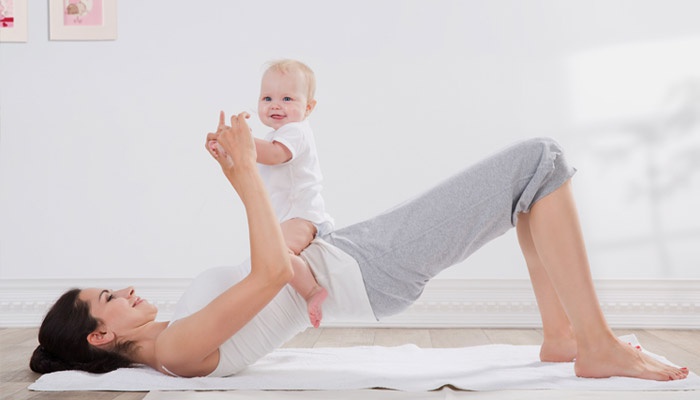
While nursing, your body needs more nutrients (200-500 calories) than before your pregnancy. You need to follow Good Health Guidelines while breastfeeding.
- Increase your milk servings from two to three
- Bump up your fruit and vegetable servings from five to eight.
- Increase your servings of lean protein and healthy oils to three, and
- Have eight glasses of liquids per day.
Women burn 500 calories a day producing breast milk while breastfeeding.
Healthy Amount of Weight to Gain During Pregnancy
- If you are underweight with a BMI under 18.5, the normal pregnancy weight gain is 28-40 pounds.
- If your BMI is normal and between 18.5-24.9, the normal weight gain is 25-35 pounds.
- For women who are overweight with a BMI of 25-29.9, their weight gain would be less with 15-25 pounds being healthy.
- For obese women with a BMI over 30, their recommended weight gain is 11-15 pounds.
And for those who are morbidly obese with a BMI over 40, the guidelines state they should only gain six to 11 pounds, if anything at all; if they don’t gain any weight during pregnancy, there aren’t any ill effects with the baby.
Try to take in at least 1,800 calories each day, and definitely no less than 1,500 calories. Moderate dieting during lactation can help you lose 4-5 pounds each month, but don’t expect to lose much body fat until about 2 weeks postpartum. The weight you lose immediately after birth is mostly fluid loss. If you want to lose weight faster, slowly increase your activity level, and eat nutrient dense and healthy foods. Moderate exercise is good for both you and your baby. Try to make it fun so that you’ll stick with your exercise program.
There were larger variations in weight gains and loses for nursing mothers, but the bottom line is, breastfeeding alone does not guarantee weight loss. With proper diet and exercise you will stay healthy, and find your weight does begin to return to your pre-pregnancy level.
Breastfeeding is good for mommy and baby, duo.
REFERENCES
Related Links
- Breastfeeding and Nutrition
- Nutrition Recommendations for Breastfeeding Women
- Yoga Asanas for Reducing Abdominal Fat
- Defining Postpartum Fitness Regime
- Top 10 Risks of Formula Feeding for the Baby
- Top 10 Answers on Dieting and Weight Loss Diets
- Easy Ways to Boost Your Activity Level
Disclaimer
The Content is not intended to be a substitute for professional medical advice, diagnosis, or treatment. Always seek the advice of your physician or other qualified health provider with any questions you may have regarding a medical condition.