CCS involves the analysis of the total chromosome complement of a single cell or group of cells from each embryo. These tests that look into the essence of humanity, allowing scientist and physicians the opportunity and ability to alter the human genotype for better or worse. The common thread of life is DNA and DNA is the only major requirement for genetic screening. With knowledge of structure and function of DNA scientists can unlock the mysteries of life.
Screening tests can be performed in order to collect a variety of information, including the risk of a chromosomal abnormality. Most of these tests are relatively non-invasive and do not carry a high amount of risk. Sometimes though, these tests are not conclusive. Depending upon your age and medical history, your health care provider may recommend one or more of the tests.
What is DNA?
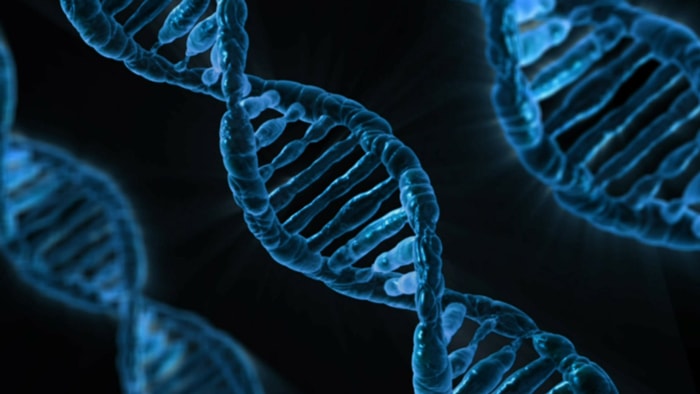
DNA is the molecule of heredity. DNA provides life its blueprints for building, replicating and surviving. Humans have a wide variety of DNA sequences, but the majority of sequences are common to all humans. DNA condenses to form chromosomes. Humans have forty-six chromosomes that form twenty-three pairs; each chromosome is made up of thousands of genes. Gene interaction controls the physical and structural characteristics of organisms. Allelic pairs make up genes. Interactions between different types of alleles create different genotypes, which is expressed by different phenotypes. The information gained by the sequencing of the human chromosome can be compared and contrasted with the DNA sequences of individual that posses a certain trait. This will also help in avoiding fetal abnormality and conception for infertility patients. This will allow scientist to determine which gene or sets of genes control a trait. After a trait is defined and the most likely sequence mapped, a genetic test can be developed to compare the sequences of an individual and determine if the individual is predetermined to develop a disease or trait. By using comparative analysis techniques, genetic screening plays the role of an indicator. The results allow insight into whether the individual shows trends towards risk of contracting a disease. The process doesn’t necessarily determine whether or not an individual will have a trait rather it will show the genetic makeup that is most likely responsible for that trait.
Types of Chromosome Screening
Carrier Identification includes genetic tests used by couples whose families have a history of recessive genetic disorders and who are considering having children. Three common tests include those for cystic fibrosis, Tay-Sachs disease, and sickle-cell trait.
Prenatal Diagnosis is genetic testing of a fetus. This may occur when there is a risk of bearing a child with genes associated with mental retardation or physical deterioration. Down Syndrome is one of the most common genetic diseases screened by this method.
 Newborn Screening is frequently done as a preventative health measure. Tests usually have clear benefit to the newborn because treatment is available. Phenylketonuria and congenital hypothyroidism are conditions for which testing is conducted in all 52 states.
Late-onset Disorders include adult diseases such as cancer and heart disease. These diseases are complex and have both genetic and environmental causes. Genetic tests may indicate a susceptibility or predisposition for these diseases. There are diseases caused by single genes, such as Huntington’s disease, that also are seen later in life and can be tested at any time.
Identification of genetic information belonging to a specific individual has received a great deal of press coverage lately. Profiles (aka “DNA fingerprints”) are complied from the results of DNA testing for one or more genetic markers to identify unique characteristics of an individual. This information is currently used in legal cases involving paternity and in criminal investigations, and it can be used in time of major accidents, disasters, or wars to identify those who have died.
Potential CCS Advantages
Test results can provide a sense of relief from uncertainty and help people make informed decisions about managing their health care. For example, a negative result can eliminate the need for unnecessary checkups and screening tests in some cases. A positive result can direct a person toward available prevention, monitoring, and treatment options. Some test results can also help people make decisions about having children. Newborn screening can identify genetic disorders early in life so treatment can be started as early as possible.
The more traditional technique of performing PGS employed fluorescent in situ hybridization (FISH). FISH analysis on a single cell is limited to analysis of 5-10 chromosome pairs out of the 23 pairs of chromosomes. Since aneuploidy (chromosomal abnormalities) can affect any chromosome, it would be beneficial to expand PGS to include screening of all 23 pairs of chromosomes. In fact, several research studies have shown that performing PGS with FISH techniques on the day 3 embryo does not improve outcomes. Analysis of the entire chromosome complement of the embryo or oocyte, combined with further improvements in technology, could potentially further increase the likelihood of implantation and decrease the chance of miscarriage for patients and potentially decrease the number of embryos necessary for transfer.
Performing a biopsy on the blastocyst stage embryo also allows us to obtain several cells, as opposed to current practice, which allows removal of only a single cell from the less advanced day 3 cleavage stage embryos.
Comprehensive Chromosome Screening (CCS) could be a promising and beneficial PGS procedure for patients seeking to increase their chances of implantation and a live birth.
For more information, you can consult WF fertility expert, Dr Vaishali Tandon. She is a specialist covering areas targeting In Vitro Fertilization techniques, like, IVF, ICSI, Laser assisted embryo matching, pre-implantation genetic diagnosis, embryo freezing, sperm freezing, oocyte freezing. Amniocentesis, FISH and Karyotyping are also her areas of focus to help women seek pregnancy (50-60 % is the successful pregnancy rate at present).
Disclaimer
The Content is not intended to be a substitute for professional medical advice, diagnosis, or treatment. Always seek the advice of your physician or other qualified health provider with any questions you may have regarding a medical condition.