Today women are gaining full status as women in our society, they are getting educated and having careers. With the only disadvantage that their biology is working against them. At the age of 16, a woman had 400,000 eggs – but by the age of 46 there are virtually none left. Women loose around two eggs an hour.
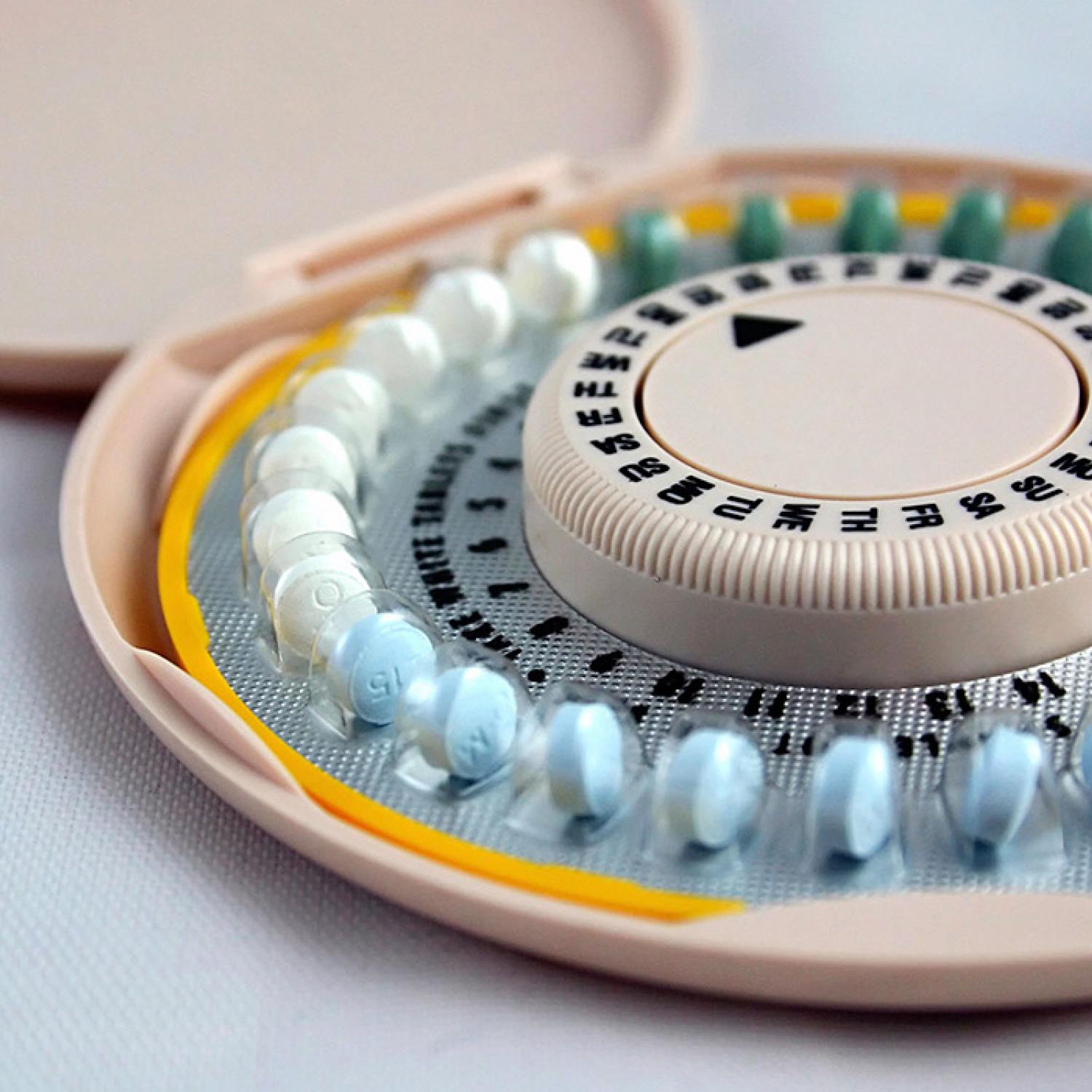
More and more women are finding problems with infertility if they delay having babies until later in life. In a recent news published, fertility experts claim to have identified a protein which could be harnessed to delay the menopause. The discovery raises hopes that drugs could be developed which will allow women to wait longer to have a child. Professor Robert Winston, of Imperial College in London, told a conference that researchers had found a protein which they believe could be developed into a pill or an injection to prolong the life of women’s eggs.
It has been disclosed that the number of women aged 40 and over having fertility treatment had increased ten-fold in the past 15 years. However, success rates have almost remained unchanged and fertility doctors are warning women that their chances of having a baby were lower and the risks of complications far greater if they delay pregnancy.
There are a number of questions that remain to be answered regarding the new research, like…
- Will this protein actually make these eggs safer?
- As women get older there is an increased risk of chromosomal abnormalities in their eggs, meaning their children are more likely to have problems. Will the protein stop this happening?
- Will the proteins have any side effects in any other systems of the body?
- Some studies have indicated that if HRT is taken after the menopause there are effects on breast cancer risks and blood coagulation – will the protein have the same effect?
- A long programme of trials would mean the new drug, which could be delivered as a pill, a patch or a yearly injection – may not be available for many years. The drug could possibly be taken at the same time as HRT, to combat the actual nature of the menopause as well as just its side effects.
Health Recommendations for women seeking pregnancy at 40
- The key to minimizing risk is to adopt a healthy lifestyle. A good diet and regular exercise is important, and, as with all pregnant women, smoking is an extremely bad idea.
- Avoid alcohol – alcohol can increase the risk of certain birth defects and interfere with proper fetal growth.
- Avoid caffeine – even moderate caffeine intake may increase your risk of miscarriage.
- Regular rest and a good night’s sleep are also recommended as is regular stretching exercises to maintain circulation in the pelvic area. This prevents the pooling of blood in the placenta.
- All women who plan to get pregnant should take daily doses of folic acid to reduce the risk of foetal abnormalities.
- Older women should have regular scans during their pregnancy so that doctors can keep a close eye on the development of the foetus. Tests such as amniocentesis – the withdrawal of amniotic fluid from around the foetus – and chorionic villus sampling are also available to detect abnormalities.
There is no reason why a fit and healthy woman in her forties should not have a successful pregnancy.
Lifestyle Alerts!
Stop using old pans:
It might sound unlikely, but older non-stick pans are covered with a chemical called perfluorooctanoic acid (PFOA), which can disrupt hormone levels – so much, in fact, that US studies revealed women with higher levels of the chemical in their blood went through menopause earlier.
Eat low-fat dairy:
Studies from the US once showed that women who ate skimmed milk products, including low-fat cheeses and yogurts, went on to delay the onset of menopause by over three-and-a-half years. Cow’s milk can boost estrogen levels, and hence boost the reproductive system.

Lose the clingfilm:
Plastic is not desperately fantastic when it comes to our body’s hormone levels. Many experts believe that pliable plastics, like clingfilm, have harmful chemicals that can alter our hormonal systems – though the extent of this is not yet known. For caution’s sake, Glenville believes you should never heat food in plastic and that you shouldn’t keep food in its plastic packaging.
Use non-chemical beauty products:
Avoid using skincare products such as moisturizer and deodorants, which contain fragrances or parabens for you might be encouraging earlier menopause, due to the level of chemicals being absorbed into your skin and upsetting hormone balance.
Disclaimer
The Content is not intended to be a substitute for professional medical advice, diagnosis, or treatment. Always seek the advice of your physician or other qualified health provider with any questions you may have regarding a medical condition.