One of the reasons people on low-carbohydrate diets may lose weight is that they reduce their intake of fructose, a type of sugar that can be made into body fat quickly, according to a researcher at UT Southwestern Medical Center.
Dr. Elizabeth Parks, associate professor of clinical nutrition and lead author of a study appearing in a current issue of the Journal of Nutrition, said her team’s findings suggest that the right type of carbohydrates a person eats may be just as important in weight control as the number of calories a person eats.
Current health guidelines suggest that limiting processed carbohydrates, many of which contain high-fructose corn syrup, may help prevent weight gain, and the new data on fructose clearly support this recommendation.
The study shows for the first time the surprising speed with which humans make body fat from fructose. Fructose, glucose and sucrose, which is a mixture of fructose and glucose, are all forms of sugar but are metabolized differently. According to the study, all three can be made into triglycerides, a form of body fat; however, once you start the process of fat synthesis from fructose, it’s hard to slow it down.
In humans, triglycerides are predominantly formed in the liver, which acts like a traffic cop to coordinate the use of dietary sugars. It is the liver’s job, when it encounters glucose, to decide whether the body needs to store the glucose as glycogen, burn it for energy or turn the glucose into triglycerides. When there’s a lot of glucose to process, it is put aside to process later. Fructose, on the other hand, enters this metabolic pathway downstream, bypassing the traffic cop and flooding the metabolic pathway. It’s a less-controlled movement of fructose through these pathways that causes it to contribute to greater triglyceride synthesis. The bottom line of this study is that fructose very quickly gets made into fat in the body.
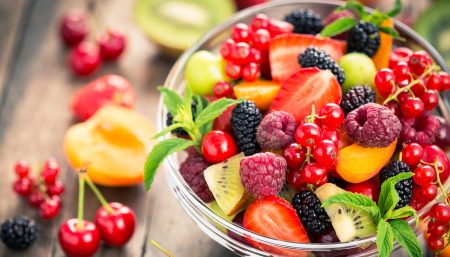
Though fructose, a monosaccharide, or simple sugar, is naturally found in high levels in fruit, it is also added to many processed foods. Fructose is perhaps best known for its presence in the sweetener called high-fructose corn syrup or HFCS, which is typically 55 percent fructose and 45 percent glucose, similar to the mix that can be found in fruits. It has become the preferred sweetener for many food manufacturers because it is generally cheaper, sweeter and easier to blend into beverages than table sugar.
The Research Study
For the study, six healthy individuals performed three different tests in which they had to consume a fruit drink formulation. In one test, the breakfast drink was 100 percent glucose, similar to the liquid doctors give patients to test for diabetes – the oral glucose tolerance test. In the second test, they drank half glucose and half fructose, and in the third, they drank 25 percent glucose and 75 percent fructose. The tests were random and blinded, and the subjects ate a regular lunch about four hours later. The researchers found that lipogenesis, the process by which sugars are turned into body fat, increased significantly when as little as half the glucose was replaced with fructose. Fructose given at breakfast also changed the way the body handled the food eaten at lunch. After fructose consumption, the liver increased the storage of lunch fats that might have been used for other purposes.
The message from this study is powerful because body fat synthesis was measured immediately after the sweet drinks were consumed. The carbohydrates came into the body as sugars, the liver took the molecules apart like tinker toys, and put them back together to build fats. All this happened within four hours after the fructose drink. As a result, when the next meal was eaten, the lunch fat was more likely to be stored than burned.
This is an underestimate of the effect of fructose because these individuals consumed the drinks while fasting and because the subjects were healthy, lean and could presumably process the fructose pretty quickly. Fat synthesis from sugars may be worse in people who are overweight or obese because this process may be already revved up.
Dr. Parks said that people trying to lose weight shouldn’t eliminate fruit from their diets but that limiting processed foods containing the sugar may help.
Do not demonize fructose as the cause of the obesity epidemic, it may be a contributor, but it’s not the only problem. We’re overeating fat, we’re overeating protein; and we’re overeating all sugars.”
Foods With Fructose
There are many foods that contain fructose, says Shirley Schmidt, CDE, a diabetes nutrition educator at William Beaumont Hospital in Royal Oak, Mich. Fructose is a natural sugar found in many fruits and vegetables. Table sugar, or sucrose, is half fructose and half glucose. And as a component of high-fructose corn syrup, fructose is found in everything from soda to fruit drinks, sports beverages, chocolate milk, breakfast cereals, flavored and dessert syrups and toppings, baked goods, candy, jam, sweetened yogurt, and many other packaged convenience foods.
And while it may be true that you’ll gain weight by eating too much of the above fructose-filled foods, you’ll gain weight if you eat too much of any food.
Remember, obesity is caused by a host of environmental, psychological, and physiological factors. All macronutrient food ingredients — fats, carbohydrates, and proteins — will contribute to weight gain when consumed to excess.
- Limit your consumption of fructose-sweetened beverages and snack foods just as you would any simple carb. Of course, cutting back your total calorie intake wouldn’t hurt either.
- Keep your total carbohydrate intake to no more than 50% of your daily diet, and make sure that most of those carbs come from fiber-rich sources such as whole grains and vegetables rather than added sugars or processed foods.
- Reading food labels is a good way to limit your intake of fructose and other sugars.
- Avoid any packaged food product that lists as one of its first three ingredients anything ending in “ose” — the chemical suffix that indicates “sugar.”
To satisfy your sweet tooth, choose fruit instead — “nature’s candy”.
Disclaimer
The Content is not intended to be a substitute for professional medical advice, diagnosis, or treatment. Always seek the advice of your physician or other qualified health provider with any questions you may have regarding a medical condition.