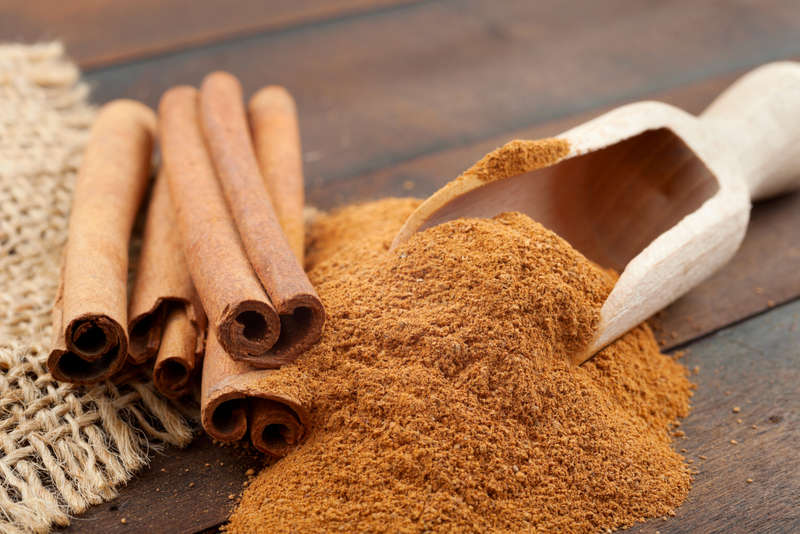
Cinnamon
Flu preventative, anti-nausea, relieves cramps and flatulence.
Parts Used
Inner bark, twigs.
One of the most delicious, if not helpful, remedies for acid indigestion, heartburn and cramps is to sprinkle a little cinnamon and cardamon on hot, buttered raisin toast and slowly eat, chewing thoroughly before swallowing.
To make an effective French folk remedy for colds and flues, combine 2 cups of water, a small stick of cinnamon and a few cloves together in a saucepan and bring to a slow boil for about 3 minutes. Remove and add 2 tsp. lemon juice, 1-1/2 tbsp. dark honey or blackstrap molasses, and 2 tbsp. good quality whiskey. Stir well, cover, and let steep for 20 minutes or so.
Drink 1/2 cup at a time every 3-4 hours. It’s pleasant tasting and really breaks up the fever and congestion accompanying either the common cold or influenza.
Uses
Therapeutic properties – Cinnamon’s medicinal value is largely due to its volatile oil, which has antiviral and stimulating properties.
Ancient warming remedy – In both India and Europe, cinnamon has been traditionally taken as a warming herb for “cold” conditions, often in combination with ginger (Zingiber officinale). The herb stimulates the circulation, especially to the fingers and toes. Cinnamon is also a traditional remedy for digestive problems, such as nausea, vomiting, and diarrhea, as well as for aching, muscles and other symptoms of viral conditions such as colds.
Convalescence – Cinnamon is a supportive and strengthening herb for weak digestions. It is used specifically in the treatment of debility and in convalescence.
Gynecological remedy – The herb has a slight emmenagogic action-stimulating the uterus and encouraging menstrual bleeding. In India, cinnamon is taken after childbirth as a contraceptive.
Cinnamon is used to help maintain healthy blood sugar levels. Dr. Richard A. Anderson and his colleagues at the Human Nutrition Research Center of the U.S. Department of Agriculture screened extracts of a number of commonly consumed plants to see how well they could mimic the effects of insulin, a protein hormone that is responsible for regulating our blood sugar levels. From a selection of 49 culinary and medicinal plants, they found in laboratory tests that cinnamon was far more effective than any other plant in fulfilling insulin’s appointed role. Further research by Dr. Anderson’s group established that the active component in cinnamon responsible for its insulin-like activity is a water-soluble chemical compound called methylhydroxychalcone polymer, or MHCP. They found that MHCP was highly effective, providing essentially the same biological activity as insulin itself. It was effective not only in increasing the uptake of glucose (blood sugar) by cells, but also of stimulating the synthesis of glycogen, a polymeric form of glucose that is stored primarily in the liver and muscle tissues for use at times of peak energy demand, such as exercise. Type II diabetics should take a quarter to one full teaspoon of cinnamon per day.
Other Uses – Altitude sickness, Tennis elbow.
Cautions and Side Effects
Do not take large amounts during pregnancy.