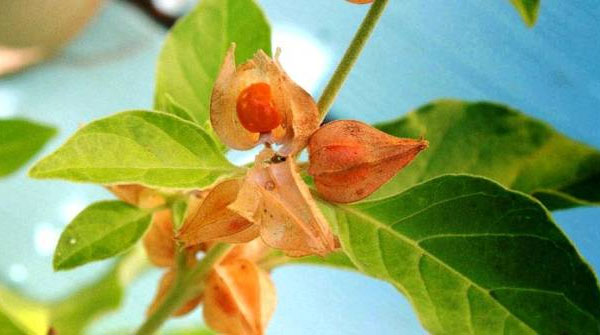
Ashwaganda is a plant in the same family as the tomato. It grows as a stout shrub that reaches a height of five feet (170 centimeters). Like the tomato, ashwaganda bears yellow flowers and red fruit, though the fruit is berrylike in size and shape. Ashwaganda grows prolifically in India, Pakistan, and Sri Lanka. All parts of the plant are used in herbal medicine.
USES
Ashwaganda is useful for relieving fatigue, nervous exhaustion, and memory loss. This herb also has a reputation as an aphrodisiac and is believed to help prevent sterility in males and sexual ailments. A mild sedative, ashwaganda reduces mental chatter and promotes calm sleep. It also promotes tissue regeneration and slows the aging process.
It is excellent for use in bodybuilding and for any type of physical sport, as it gives an instant charge of long-lasting energy without the use of stimulants.
Benefits of ashwaganda for specific health conditions include the following:
- Alzheimer’s disease and memory problems. Ashwaganda helps correct memory loss by modifying the way in which the brain uses acetylcholine, a chemical that transmits messages from nerve cell to nerve cell. If oxygen levels are low, the brain acquires acetylcholine by destroying its own cells. The cell remnants form neurofibrillary tangles, blocking the transmission of nerve signals and resulting in Alzheimer’s-like symptoms. Ashwaganda decreases the likelihood that the brain will cannibalize its own cells. This action reduces cognitive deficit and memory loss in diseases such as Alzheimer’s disease.
- Arthritis and carpal tunnel syndrome. Animal studies have found that naturally occurring steroids in ashwaganda are more potent than treatment with the synthetic steroid hydrocortisone for controlling inflammation. These natural steroidal compounds also reduce the pain of arthritis as effectively as aspirin and phenylbutazone when given in the same amount, but without the immune-depressing side effects those drugs cause.
-
Autoimmune disorders. Ashwaganda increases red and white blood cell counts after treatment with azathioprine (lmuran), cyclophosphamide (Cytoxan, Neosar), or prednisone for autoimmune diseases such as lupus.
- Cancer. Ashwaganda extracts increase platelet counts, red blood cell counts, and white blood cell counts during cancer chemotherapy treatment with cyclophosphamide (Cytoxan, Neosar). Animal studies in India also have found that ashwaganda sensitizes cancer cells to radiation treatment, making treatments approximately 50 percent more effective. Studies have shown that ashwaganda is helpful in putting cancer tumors into regression.
-
Sex drive, diminished. Ashwaganda is a sexual “grounding” herb that reduces the frequency of premature ejaculation and increases sexual stamina. Ashwaganda’s active principles, alkaloids and withanoloids, have longevity enhancing and sexually stimulating properties.
- Stress. Ayurvedic medicine has used ashwaganda as a general tonic for centuries to stimulate long-term endurance. Ashwaganda contains steroid like compounds that may increase resistance to stress.