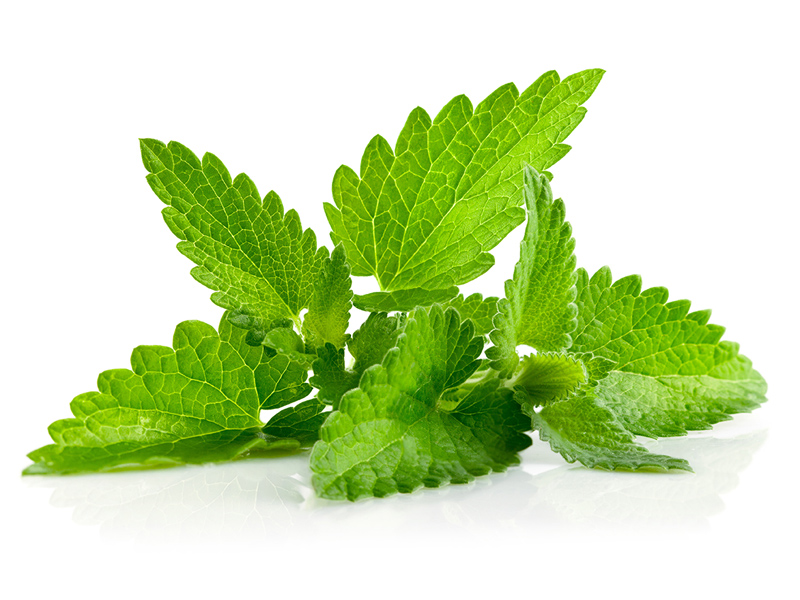
There’s good reason your local pizzeria has a bowl full of peppermints next to the till. They are a nice post- prandial sweet and also make good short-term breath fresheners. Peppermint, in the right form, also combats indigestion and reduces wind and bloating. Peppermint not only makes an ideal digestive sweet its healing powers are more powerful than you might imagine.
What’s it good for?
- bites and stings
- body odour
- foot pain
- headache
- indigestion
- inflammatory bowel disease
- irritable bowel syndrome
- morning sickness
- nausea
- oily skin
- peptic ulcers
- snoring
- sunburn
- toothache
- wind
Intestine protection
Peppermint is among the best herbs for digestive problems and intestinal pain. The oils it contains, especially menthol and menthone, relax the smooth muscles that line the intestinal tract, helping to relieve cramping. British gastroenterologists who sprayed diluted peppermint oil on endoscopes – the tube-like instruments used in colonoscopy – found that it stopped painful spasms in less than 30 seconds.
The herb’s antispasmodic properties make it a natural choice for easing irritable bowel syndrome (IBS), a condition that causes unpredictable cramping, indigestion and alternating bouts of constipation and diarrhoea .
In a study conducted in Taiwan, IBS patients who were given peppermint oil capsules 15 to 30 minutes before meals had a significant reduction in bloating and wind. Abdominal pain was reduced or disappeared completely in some cases.
Doctors who have an interest in herbal medicine now recommended peppermint for a variety of digestive complaints:
- Wind Because it aids digestion, peppermint can help you to avoid flatulence.
- Gallstones Preliminary evidence suggests that peppermint helps to dissolve gallstones and could potentially reduce the need for surgery.
- Nausea Peppermint slightly anaesthetizes the stomach lining and reduces mild nausea.
- Stomach ulcers Peppermint can help to relieve the pain and aid healing. (Alert Don’t use peppermint if you have frequent heartburn. Peppermint can relax the oesophageal sphincter, the ring of muscle that prevents harsh stomach acids from backing up into the oesophagus.)