
A low-carb diet limits carbohydrates — such as bread, grains, rice, starchy vegetables and fruit — and emphasizes sources of protein and fat. Many types of low-carb diets exist, each with varying restrictions on the types and amounts of carbohydrates. If you have decided to follow a protein rich diet, stack the deck in your favor with the right ingredients and techniques for low carb cooking.
A low-carb diet excludes or limits most grains, beans, fruits, breads, sweets, pastas and starchy vegetables. Some low-carb diet plans allow fruits, vegetables and whole grains. A daily limit of 50 to 150 grams of carbohydrates is typical.
The theory behind the low-carb diet is that insulin prevents fat breakdown in the body by allowing sugar to be used for energy. Proponents of the low-carb diet believe that a decrease in carbs results in lower insulin levels, which causes the body to burn stored fat for energy.
The first question that arises is, What to buy?
Most of your food shopping will be concentrated in the produce, dairy, poultry, fish, and meat sections of the supermarket.

 Buy Fresh. Fresh vegetables, fruits and protein will still be the basis of your diet. You know by now that many canned goods and packaged products contain hidden carbs and are loaded with trans fats. If your budget permits, buy organic poultry, meat, eggs, and produce.
 Think Fish. Fatty fish such as salmon, tuna, halibut, mackerel, herring, bluefish, and sardines supply protein and B vitamins, but these flavor-some fish also pack plenty of omega – 3, a type of essential fatty acid with disease-fighting properties. Keep canned fish on hand, too, for hurry-up suppers. Canned salmon is higher in calcium than milk. Mash the soft bones with a fork and you’ll get 225 milligrams of this bone-building mineral per 3½-ounce serving. Canned sardines are even higher: 3 ounces supply 325 milligrams. Four ounces of milk? A mere 150 milligrams. Look for light tuna packed in olive oil; it tastes better than tuna in water or vegetable oil.
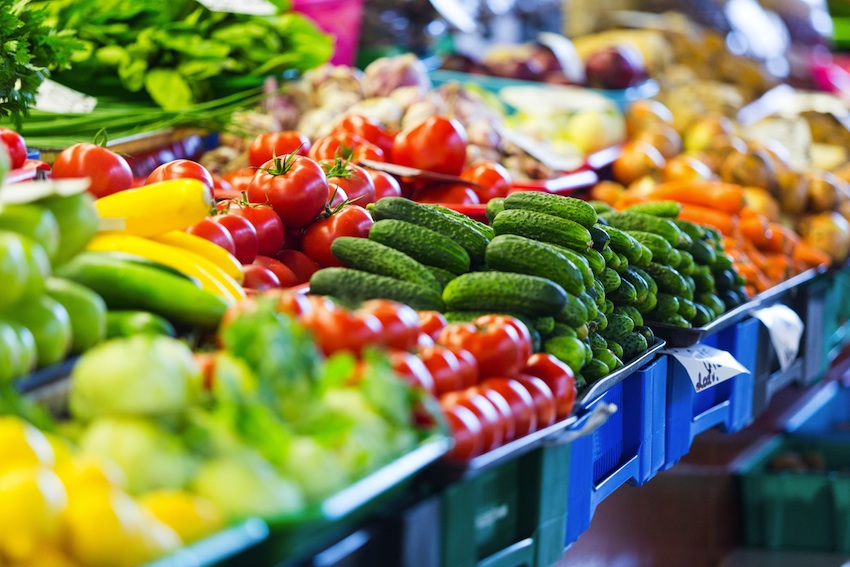
 Shop with the Season. Choose vegetables and fruits at their height of flavor and freshness. You’ll save money too: Seasonal produce is generally less expensive. There is no reason to buy asparagus or watermelon in January when broccoli and a host of fruits are readily available.
 Color Matters. Buy as many richly colored foods as possible: Dark leafy greens, orange vegetables, purple grapes, and the like contain more nutrients than their paler cousins. Arugula has almost twice the folate of iceberg lettuce, watercress has about four times the vitamin C, and spinach has nearly thirty times more betacarotene. Red grapes are higher in anthocyanins than green; and pink grapefruit has 40 times more beta-carotene than white. In general, avoid white foods-with the exception of dairy products, of course. White rice, white flour, sugar, and pale pasta are out. Instead, focus on brown breads and grains, beans, and other legumes.
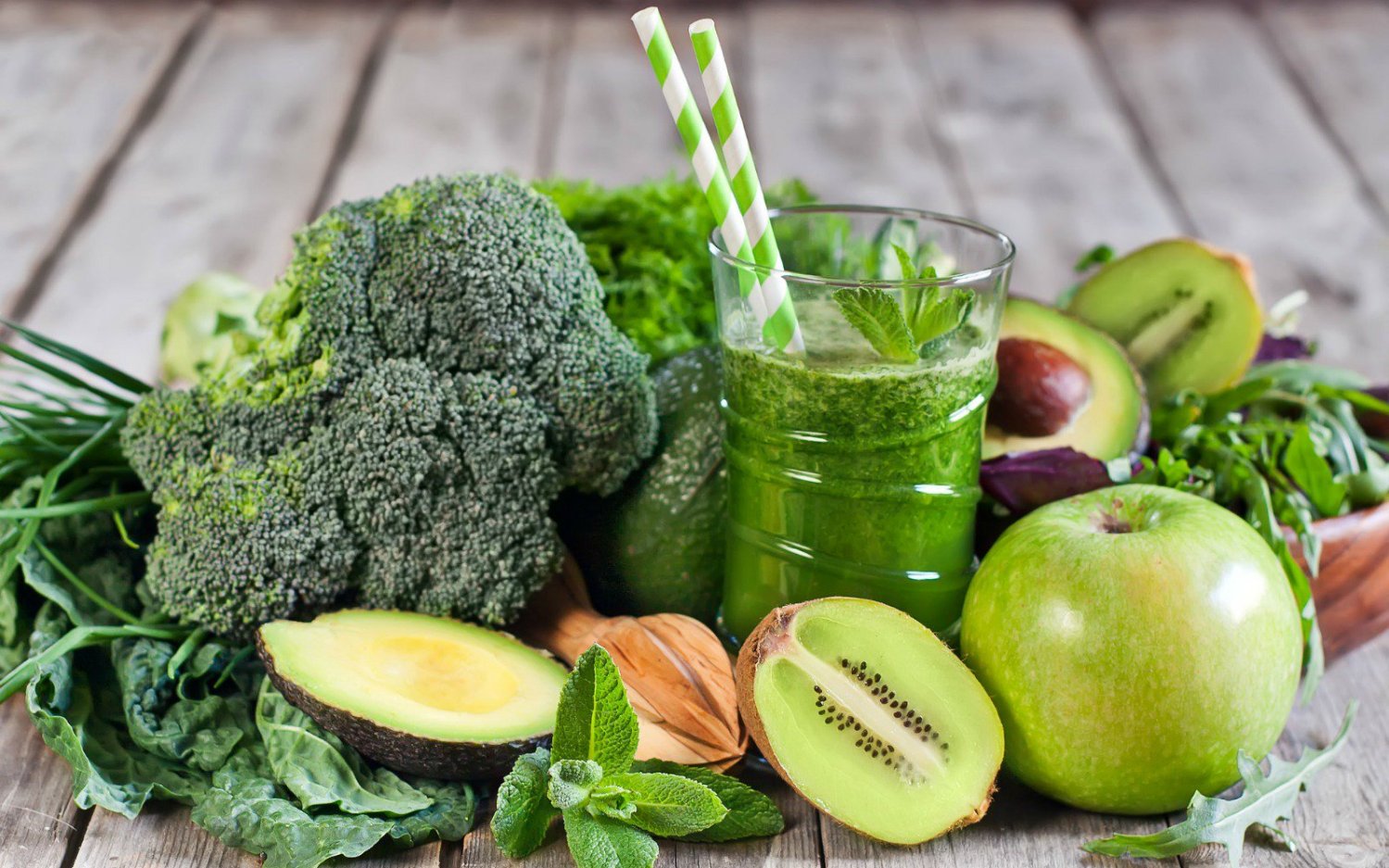
 The Greener the Better. From collards and kale to spinach and turnip greens, these nutritional powerhouses are loaded with vitamins A, C, E, folate, and othervitamins; minerals, including calcium and iron; and cancer-fighting compounds such as indoles, sulforaphane, and isocyanate. Many dark greens are at their best in winter – they’re fresh and inexpensive when other vegetables are pale and flavorless. Sauté greens with lots of garlic, stir them into soup, or braise them with a bit of bacon.
 Go with the Grain. Whole grains provide a host ofnutrients, but they’re dense in carbohydrates. Go beyond rice and pasta to find those that are lower in Net Carbs. Oatmeal boasts cholesterol-lowering fiber. Wild rice packs twice the protein of other varieties. Bulgur, a form of whole wheat, is already cooked; simply pour boiling liquid over it and soak it until soft, about 30 minutes.

 Scrutinize Labels. Carbohydrates lurk in foods you might not suspect. Avoid anything that has high-fructose corn syrup or any kind of starch, such as modified potato or rice starch, in the ingredients list. Canned goods and condiments are common culprits. Pay particular attention to fat-free foods, especially salad dressings and marinades. Corn syrup often is used instead of oil because they have similar consistencies. Not only do you end up with unwanted carbs, but also a host of chemicals that are added to mask the sweetness. Instead, use high-flavour condiments that boast healthful ingredients, such as pesto and salsa.
 Enjoy ethnic specialties. If you’re fortunate enough to live near an ethnic food market, stock up on spices and condiments-prices are generally lower than at natural foods stores.
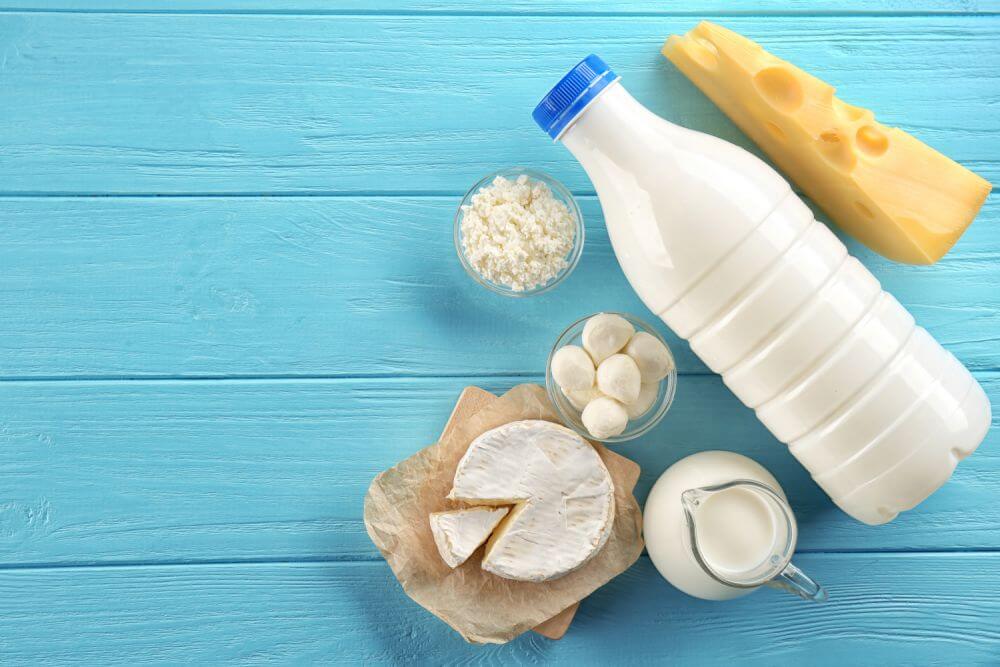
 Think Small. Purchase dairy products in small quantities and wrap cheeses in a double layer of plastic wrap to ensure freshness.
 Plan your week: Planning a full week of menu and snack gives you a buffer period when you don’t have to worry about it. Try to plan and shop for low carb foods before hand so that you don’t feel lost after four days.
The first two weeks of a diet change can be difficult. The temptation when trying something new is to chuck it overboard at the first obstacle. To be successful, you must accept that unexpected “speedbumps” will happen, and make a commitment ahead of time to work through them. This is the time to get advice from others who are ahead of you on the road.
Disclaimer
The Content is not intended to be a substitute for professional medical advice, diagnosis, or treatment. Always seek the advice of your physician or other qualified health provider with any questions you may have regarding a medical condition.