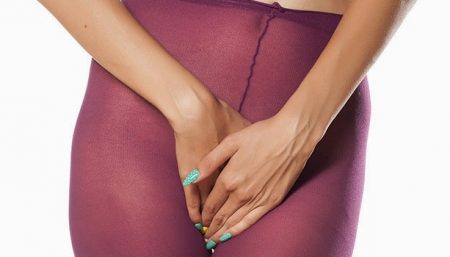
The adductor muscles of the leg are often referred to as the “groin muscles” and include the adductor magnus, adductor longus, adductor brevis, pectineus, and gracilis. They are fan-like muscles in the upper thigh that pull the legs together when they contract. They help stabilize the hip joint. The adductors attach from the pelvis to the femur (thigh bone).
Groin muscle discomfort can make it difficult to finish your exercise routine — or other daily activities, like squatting or sitting. Discomfort in the groin area can be more than just frustrating, it can be a symptom of a dangerous injury or condition. Therefore, it is important to understand what causes groin muscle discomfort while exercising and how it can be treated and prevented.
Why groin discomfort?
Groin discomfort during exercise can be caused by groin strain, where you stretch or stress the adductor muscles — the inner hip muscles — while exercising. You can also develop pain if you overuse your muscles by exercising out too hard or not taking breaks between workouts. In addition, muscle sprains or strains can occur while exercising, especially if you suddenly twist or do not warm up properly. Groin discomfort can also be the result of a hernia, where organs or tissue in the abdomen protrude through a tear or weakness in the abdominal wall.
Stretching the Groin muscles
Always warm up and stretch the inner hip muscles as well as your legs before and after a workout. This will help raise the temperature of your muscles, making them more durable, pliable and more resistant to discomfort and injury. Check out with a fitness instructor if you are doing exercises correctly. Improper form can lead to muscle discomfort and injury. If you lift weights or other heavy objects while exercising, bend at your knees, not your waist.
Some signs of a severe groin strain include:
- Difficulty walking
- Pain while sitting or at rest
- Pain at night
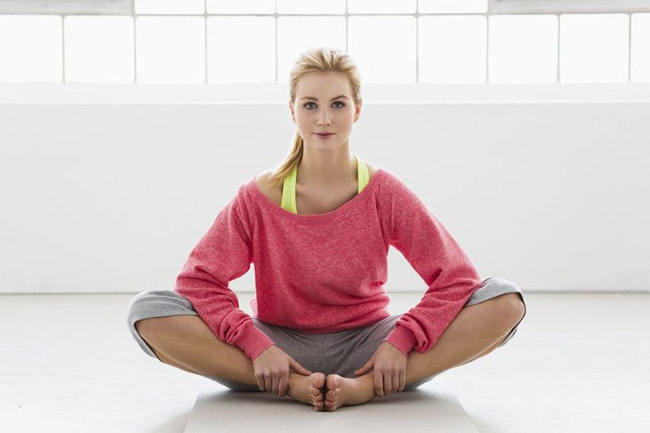
Butterfly groin stretch
- While sitting on a flat surface, bend your knees and bring the soles of the feet together.
- Hold your feet with your hands and rest your elbows on your knees.
- While keeping your back straight (no slouching), allow your knees to fall towards the ground.
- You can apply gentle pressure on the inner thigh by pressing gently on the knees with the elbows.
- You should feel gentle pulling and tension in the groin.
- Do not press down with great force.
- Hold the stretch for 20 to 30 seconds. Release and repeat three times.
- To increase the stretch, bring the feet closer in towards your groin.
- In order to get a deeper stretch of the hips and back lean forward at the waist.
One leg over stretch
- Sit on the floor, with one leg straight, toes pointing upward.
- Cross the other foot over the knee of the straight leg, aiming to place that foot flat on the floor.
- Place the elbow and forearm of the opposite arm of the bent leg on the outside of the bent knee.
- Exhale, slowly pulling the bent knee across your body.
Wide leg groin stretch
- Stand with your feet wide apart.
- Slowly squat down until your knees are directly over your ankles and bend to 90 degrees.
- Place your hands on top of your inner thighs and slowly push outward to open your hips.
- You will feel a stretch in the groin muscles in both legs.
- Hold for 20-30 seconds, relax and repeat three times.
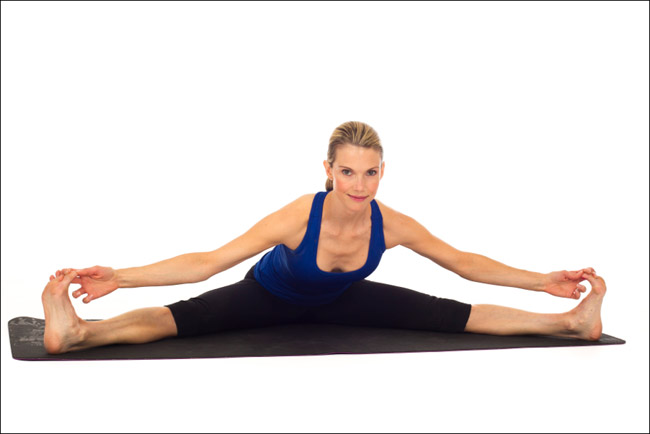
Sitting leg straddle.
- This exercise requires you to sit on the floor, with your legs extended out in a straddle position.
- Slowly reach forward with your arms, keeping the arms parallel to the floor.
- Try not to arch your back.
- Repeat 10 times, slowly.
Side lunge.
- Stand with the feet beyond should length apart.
- Bend your right knee, keeping your left leg straight. Place your hands on your right knee.
- Hold this position for a 10 count.
- Repeat for the other side.
Gluteal stretch:
- Lie on the floor and place the left ankle on the right knee.
- Push the left knee outwards.
- Pull the right thigh towards the chest with both hands.
- Breathe easily.
- Hold for 10 counts. Repeat on the other leg.
Warning
- Never bounce during stretching exercises.
- Never stretch to the point of pain.
- Movements should be slow and measured to prevent injury.
- If you have symptoms of a severe groin pull, you should get evaluated for proper treatment.
Disclaimer
The Content is not intended to be a substitute for professional medical advice, diagnosis, or treatment. Always seek the advice of your physician or other qualified health provider with any questions you may have regarding a medical condition.