It’s normal to feel hungry when you start a new exercise regime or you increase your exercise frequency or intensity. You’re burning more calories, so your body needs to take more in. Here are some foods you can eat and avoid feeling hungry, with overindulging, and hopefully lose weight in the process:
 Porridge
Porridge is a great breakfast option to keep you full until lunchtime. Oats are a wholegrain, which means they contain all three parts of the grain – the nutrient-rich inner germ, the starchy endosperm and the fibre-rich outer bran layer.
A wealth of research shows that whole-grains can help you feel fuller for longer, mainly because they are high in fibre and starchy carbohydrates. Oats are a good source of a soluble fibre called beta-glucan, which helps to slow down the digestion and absorption of carbohydrates. They also have a low glycemic index so can help to keep blood sugar levels steady, preventing those dips that leave us tired, hungry and reaching for the biscuits.
Top tip: to keep calories down make porridge with water or semi-skimmed milk and sweeten with an artificial sweetener rather than syrup or honey. Adding fresh fruit such as berries or a banana will add even more fibre to keep you going for longer.
 Potatoes
Research reveals that potatoes actually help to fill you up thanks to them being packed with starchy carbohydrates.
When looking at the Satiety Index and which 38 foods kept us the most full for two hours after eating them, boiled potatoes came in at the top spot, beating wholegrain bread, brown rice and bananas.
Studies have shown that boiled potatoes are more satiating than chips, even though they have a higher glycaemic index. Researchers believe this is because we can eat more of them for fewer calories – and it’s also the quantity of food, not just the effect it has on our blood sugar levels, that helps to fill us up.
Top tip: as an alternative to chips, make wedges. Simply cut a medium potato into eight wedges, spray with a spray oil and bake until the inside is soft and the outside is crunchy.
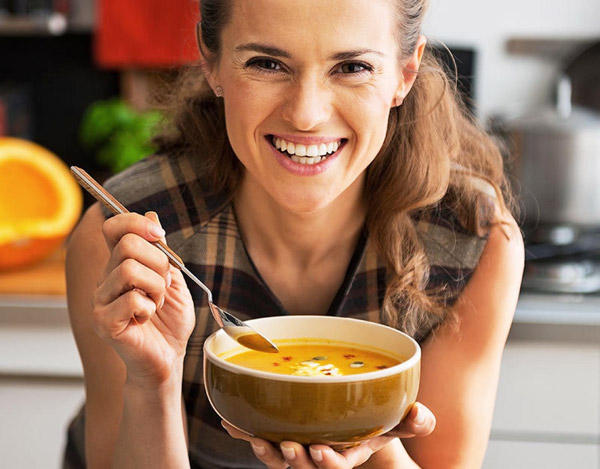

Soup
There’s heaps of good research to suggest that eating soup before a meal improves satiety so you eat less and take in fewer calories as a result.
It’s thought that when water is consumed separately from food it satisfies thirst not hunger. But when it’s mixed with chunky ingredients, the body handles it like food. A bowl of soup looks substantial, helping to give the impression that it will fill you up. And it takes up a lot of space in your stomach – and as your stomach fills up it stimulates stretch receptors that send signals to your brain to let you know that you are full.
Tip tip: opt for low-fat varieties, rather than filling up on rich, creamy soups. Good soup choices include vegetable, bean, lentil, mushroom, chicken, carrot and potato soup.
 Eggs
Eggs
Research shows that eating eggs for breakfast can help to stop hunger kicking in so that you eat less for the rest of the day, and lose weight as a result.
In one study, overweight or obese women who ate eggs rather than bagels for breakfast reported greater feelings of satiety during the morning and consumed significantly less calories, protein, carbohydrates and fat at lunchtime. Plus their calorie intake remained lower for the rest of the day as well as for the next 36 hours. Unsurprisingly then, in a second study where overweight or obese women followed a low-calorie diet that included either eggs or bagels for breakfast, those eating eggs lost 65 percent more weight and reduced their waist measurement by 83 per cent more than those eating bagels.
It’s thought that the protein contained in eggs helps to improve satiety so that slimmers find it easier to stick to a reduced-calorie diet.
Top tip: avoid fried eggs and instead go for boiled, scrambled, poached or make an omelette using a spray oil.
 Whole-wheat pasta
Like oats, whole-wheat pasta is a wholegrain food and is packed with fibre and starchy carbohydrates. A 100g portion of cooked whole-wheat pasta contains almost three times as much fibre as the same serving size of cooked white pasta – 3.6g compared with 1.2g, respectively.
Pasta also has a low glycaemic index and so helps to stabilize blood sugar levels so you’re less likely to get dips that leave you starving.
Top tip: As a guideline opt for a portion that’s about the same size as a tennis ball – and remember to serve it with a low-fat sauce.
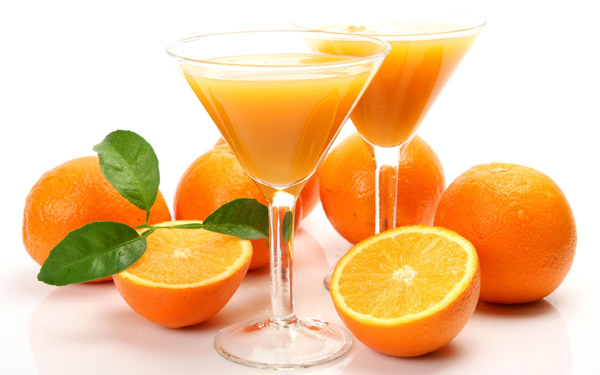
 Oranges
When it comes to foods to fill you up, most of you might think bananas would be the number one fruit choice. But according to the satiety index, oranges are almost twice as filling as bananas for the same amount of calories.
Oranges may also be more filling because they have a higher fluid content – oranges are 86 percent water compared to bananas which are just 75 percent water – and research shows that foods with a high water content can help to improve our satiety because it increases the portion size without adding calories. Plus, oranges have a lower glycaemic index than bananas.
Top tip: choose a whole orange rather than orange juice. It contains more fibre, and research shows that drinks don’t fill us up as much as food.
 Popcorn
When it comes to snacking, popcorn will fill you up far more than crisps, ice cream, chocolate, cake or doughnuts, simply because it’s so bulky. If you’re not convinced, weigh out 25g of crisps, 25g chocolate and 25g of popcorn. You’ll find the popcorn fills a much bigger space in a bowl – and therefore a much bigger space in your stomach. That means you’ll feel fuller for longer.
Popcorn also has the benefit of being a wholegrain food and so contains more fibre than many other popular snack foods.
Top tip: skip popcorn that’s coated in butter, oil, toffee or salt and instead enjoy plain, air-popped popcorn.
 Beans
Beans
Beans are well known for being a good source of fibre, but they’re also packed with protein and it’s this perfect combination of fibre and protein that fills you up so you’re less likely to want to eat between meals.
Fibre works its magic in several ways. As well as helping to add bulk to our diet, insoluble fibre increases the viscosity or stickiness of food in our stomach so that it empties more slowly.
Soluble fibre helps to control blood sugar levels and may also increase levels of a satiety hormone so that you feel fuller for longer. As for protein, research shows this nutrient is more satiating than carbohydrates or fats as the body has to work harder to digest and absorb it.
Top tip: choose beans that contain no added sugar and or salt and combine them with other high-fibre foods such as wholegrain toast or a jacket potato for a double whammy for full tummies.
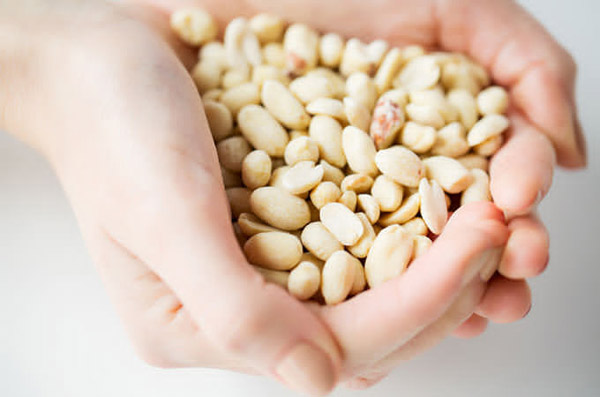
 Peanuts
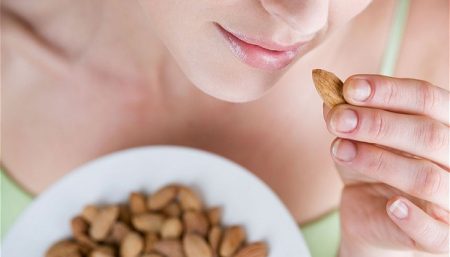
As well as having a low glycaemic index, research indicates that peanuts can help to keep you fuller for longer.
In one American study, participants naturally decreased what they ate at other times of the day after consuming peanuts. Plus, they remarked that they felt full when they included peanuts or peanut butter in their diet.
Like beans, peanuts are a rich source of fibre and protein, both of which can help to improve satiety. But peanuts also have the added benefit of also being crunchy. This is important as crunchy foods take longer to chew and the simple act of chewing may improve satiety.
Top tip: watch your portion sizes. Nuts are packed with nutrients but they’re also high in calories. Go for fresh nuts, too, rather than salted ones.
 Salad
Salad
It’s a slimming staple, but research shows that salad really does help to fill you up, especially when you have it before a meal. American researchers looked at the amount of calories women consumed at lunchtime from a main course of pasta, after eating a salad starter. They discovered that when the women ate a small low-calorie salad to start with, the whole meal provided seven percent fewer calories. The effect was even greater with a large low-calorie salad starter, with the whole meal containing 12 percent fewer calories. The satiating effects are likely to be due to a combination of both fibre and a large amount of food.
Top tip: don’t top your salad with oily dressings or mayonnaise. Instead, keep calories down by using fat-free dressings or a sprinkle of balsamic vinegar.
Hunger can be attributed to a lot of things, although I believe generally people feel physical hunger due to low blood sugar. But a lot of what hunger and satiety feels like is psychological. If a person keeps their blood sugar levels controlled throughout the day they’re a lot less likely to feel hunger.
Disclaimer
The Content is not intended to be a substitute for professional medical advice, diagnosis, or treatment. Always seek the advice of your physician or other qualified health provider with any questions you may have regarding a medical condition.