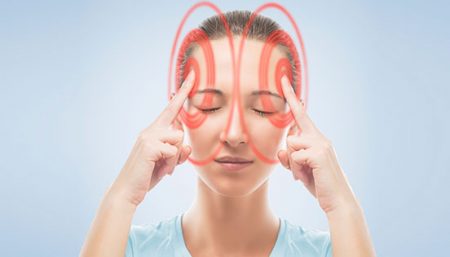
Diseases and disorders sometimes develop stealthily, presenting no obvious warning signals. Or they may exhibit symptoms so vague that doctors are left scratching their heads as test after test fail to detect anything amiss.

 Hepatitis C
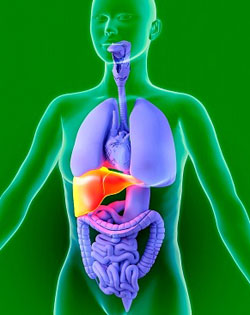 This disease is caused by the hepatitis C virus, which is spread by contact with infected blood, and other body fluids leading to inflammation and scarring of the liver.
Who’s at risk: Anyone who has had blood transfusions. Also health care workers who may have been jabbed with a needle or splashed with blood. At highest risk are users of illegal drugs, people getting tattoos and long-term haemodialysis patients.
Symptoms: In its early stages, the only symptom is fatigue. People with hepatitis C can have it for decades without knowing it. It kills silently. Late stage symptoms include cirrhosis, a serious liver disease, and its complications, muscle and joint pain, kidney disease, and autoimmune problems.
Diagnosis: A simple blood test can detect the virus.
Treatment: A combination of anti-viral drugs can slow or stop the disease, but the course depends upon the duration of the disease, specifics of the virus, and treatment can last 24 to 48 weeks.
 Lupus
Lupus
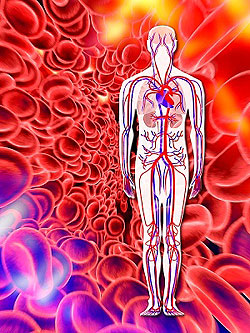 Lupus is an autoimmune disease, which means that the body’s natural defense system (immune system) attacks its own tissues instead of attacking foreign substances like bacteria and viruses. This causes inflammation. Inflammation causes swelling, pain, and tissue damage throughout the body. If you develop severe lupus, you may have problems with your kidneys, heart, lungs, nervous system, or blood cells. Lupus is the common name for systemic lupus erythematosus, also called SLE.
Who’s at risk: Lupus has a genetic basis and 90 percent of patients are female, but it can attack men too.
Symptoms: Lupus can damage any organ of the body. One person may have swelling in the feet and pain whilebreathing. The next person may have sores in the mouth, or pinkish red butterfly rashes on the face or elsewhere on the body. The common symptoms are arthritis, hairfall, and skingetting tanned easily.
Diagnosis: Doctors consider a patient’s medical history and immune function.
Treatment: A variety of drugs are used, depending upon how lupus manifests itself.
 Celiac Disease
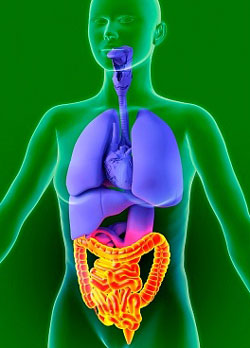
Celiac disease is a digestive disease that damages the small intestine and interferes with absorption of nutrients from food. People who have celiac disease cannot tolerate gluten, a protein in wheat, rye, and barley. Gluten is found mainly in foods but may also be found in everyday products such as medicines, vitamins, and lip balms. When patients eat food containing gluten, the hairlike projections in her small intestine called villi- absorb nutrients from food- shrink or disappear, leaving her unable to digest properly. Celiac disease can lead to osteoporosis, iron deficiency- anaemia and serious vitamin deficiencies.
 Who’s at risk: In genetically susceptible people, the disease can be triggered by pregnancy, severe stress, surgery or viral infection.
Symptoms: Typically, they include abdominal cramping andbloating, gas, diarrhea or constipation, unexplained anaemia and mysterious weight loss. Sufferers may also feel joint pains, fatigue or depression, and some develop a large rash.
Diagnosis: Doctors look at the symptoms and rely on blood tests to detect the sensitivity, followed by a small bowel biopsy.
Treatment: Avoidance: Eliminate wheat products from your diet, in order to lead a normal life. With proper medications and constantly being in touch with your doctor, you can occasionally eat wheat products.
 Colorectal Cancer
Cancer of the colon or rectum is also called colorectal cancer. A Fifty-year-old woman had suffered intermittent stomach cramps for over a year. The first doctor she consulted said she had an ulcer. But the medicine he gave did not help. The next two doctor she went to diagnosed intestinal TB but their remedies brought only temporary relief. One day the cramps were so painful that she had to be hospitalized. After doctors removed a part of her intestine, a biopsy revealed her true problem-colorectal cancer
Symptoms: of cancer in the colon and other internal organs, usually manifest themselves only when the disease reaches and advanced stage.
Who’s at risk: People with a family history of colorectal cancer or colonic polyps-tissue outgrowths in the large intestine.
Symptoms: Altered bowel habits, severe stomach cramps, bleeding, pain or obstruction, vomiting.
Diagnosis: An easy way to suspect colorectal cancer is to test for faecal blood and also get a rectal examination done with your annual medical checkup. If there’s any suspicion after these two tests, get a colonoscopy done. This enables the doctor to look inside the colon for suspicious growths. A biopsy determines whether the growth is cancerous. Using colonoscopy doctors can also remove pre-cancerous growths and polyps.
Treatment: If caught early, colon cancer can be treated effectively with surgery and chemotherapy.
 Aneurysm
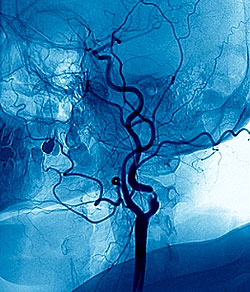 An aneurysm is an abnormal weakening and consequent dilation of the wall of a blood vessel, usually an artery. Experts have likened aneurysms to time bombs for good reason: You can be symptom less until the faulty blood vessel bursts. The major arteries in the chest and the head are the most notorious-and fatal-places to have an aneurysm; mortality rate, even for patients who reach a hospital alive, is about 50%.
Who’s at risk: The condition is relatively rare. But your risk increases if you smoke, have artery disease, high blood pressure, and close relatives who have had aneurysms.
Symptoms: If a brain aneurysm bursts, it triggers an instantaneous and unusually severe headache. Other symptoms include nausea and vomiting, blurred vision, stiff neck and loss of consciousness. Aortic aneurysms announce their presence with a crushing chest or abdominal pain.
Diagnosis: Anyone who suspects a burst aneurysm should get to a neurosurgeon fast. Second, if you are at doctor to do either a CT or MRI angiogram of brain.
Treatment: Quick surgery can save a person’s life.
 Fluorosis
 The concept that fluoride is good for your teeth has misled everybody, and fluorosis remained uncared for until recent years. Excessive fluoride can cause fluorosis, a painful, crippling and sometimes fatal disease. One of the most common reasons for contracting the disease is drinking waterwith too much fluoride init. Other sources of fluoride include black tea, tinned foods that use fluoride as a preservative, masala powders and snacks that contain black or red rock salt; some antibiotics, and certain drugs that combat high-cholesterol and depression.
Who’s at risk: People who drink a lot of black tea (if milk were added, calcium in the milk binds with any fluorine and forms calcium fluoride which is not absorbed by the body, but excreted, so no damage is done.)
Symptoms: Fluorosis occurs in three forms. Dental fluorosis affects the teeth of children but not of adults. Teeth become discoloured or streaked: yellow, brown, or black. Skeletal fluorosis affects the bones of both children and adults. Patients suffer from pain in the major joints. Nonskeletal fluorosis causes destruction to soft tissues. Symptoms include nausea, stomach pain, constipation followed by diarrhoea, excessive thirst, tendency to urinate very frequently, muscle weakness, and fatigue.
Pregnant women with fluorosis tend to have spontaneous abortions, stillbirths and premature deliveries.
Diagnosis: A test ascertains the fluoride levels in a patient’s drinking water, blood and urine. An X-ray of the forearm and haemoglobin content needs to be determined. In children, in addition to the fluoride levels in body fluids, thyroid hormone levels and iodine levels in the urine need to be determined.
Treatment: Treatment in all cases involves identifying the source of fluoride poisoning and removing it from the patient’s diet. Fluorosis patients should take adequate quantities of fruits, vegetables and dairy products.
 Hypothyroidism
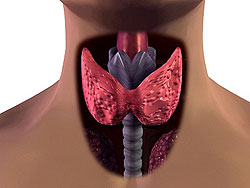 The thyroid is a small, butterfly shaped gland found just below the Adam’s Apple. When it fails to make enough thyroid hormone to maintain metabolism, the body starts slowing down. Sufferers gain weight, feel tired, have memory lapses-the symptoms are myriad and confusing.
Who’s at risk: Women are five times more likely to develop hypothyroidism than men. Your risk increases with pregnancy and age.
Symptoms: Intolerance to cold, fatigue, weight gain, heavy periods, hoarse voice, dry skin and hair, memory lapses, loss of energy, depression, sleep difficulties and hair loss.
Diagnosis: A simple blood test can reveal an under active thyroid.
Treatment: Patients get a daily dose of hormone replacement drugs.
 Benign Positional Vertigo
 Benign Paroxysmal Positional Vertigo (BPPV) is the consequence of an imbalance of fluid, or the collection of debris, in the semi-circular canals of the inner ear. BPPV patients have difficulty maintaining their balance.
Who’s at risk: Those under stress, especially aggressive type-A personalities who push themselves hard. People who have injured an ear or suffered from a severe infection are also susceptible.
Symptoms: Nausea, vomiting, blurring of vision and light-headedness that lasts from several seconds to a minute. Sufferers feel that their surroundings are spinning. Some may feel that they, too, are whirling.
Diagnosis: Specialists rely on balance testing, a procedure that uses a laser to detect the jerky movements of the eye caused by vertigo.
Treatment: Stress-busting drugs, yoga, meditation and exercise that stimulate blood circulation.
Vertigo patients, need to learn to manage the condition- for there’s no definite cure-that can lead to a full and active life.
 Chlamydia
 Chlamydia (kluh-MID-ee-uh) is a sexually transmitted infection (STI). Chlamydia is an STI caused by bacteria called chlamydia trachomatis. Chlamydia is the most commonly reported STI in the United States. Women, especially young women, are hit hardest by chlamydia. Untreated, chlamydia in women can cause pelvic inflammatory disease, scarring of the Fallopian tube, ectopic pregnancy and, in some cases, infertility, also a problem for men.
Who’s at risk: Technically, any sexually active woman.
Symptoms: Initially, they consist of discharge or itching that is so mild that most people don’t see a doctor. Over time, women can experience lower abdominal or back pain, pain during intercourse, bleeding between periods, or nausea and fever.
Diagnosis: It can be diagnosed by a culture test as well as other methods. Consult your doctor if you have the above symptoms. The bacteria is detected by an ELISA test, serology or by chlamydia antigen in the cervical swab or in the urine.
Treatment: chlamydia is treated with a single dose of antibiotics.
 Sleep Apnea
 Snoring may indicate sleep apnea, which can lead to high blood pressure, heart disease and stroke. A collapsing airway triggers the snoring and it can interrupt breathing for as long as a minute. Sufferers wake up-usually without realizing it-to restart their breathing. An apnea is a period of time during which breathing stops or is markedly reduced. In simplified terms, an apnea occurs when a person stops breathing for 10 seconds or more. If you stop breathing completely or take less than 25% of a normal breath for a period that lasts 10 seconds or more, this is an apnea. This definition includes complete stoppage of airflow.
Who’s at risk: Risk increases with age, but even children can get it. It is twice as common in men as it is in women and is associated with being overweight and having a thick neck.
Symptoms: You guessed it: Snoring. Also, daytime sleepiness.
Diagnosis: Unexplained daytime sleepiness is the key sign of sleep apnea or other sleep disorders. When doctors suspect sleep apnea, they may recommend spending a night at a sleep clinic to monitor brain activity and blood oxygen levels.
Treatment: Patients find relief by using a machine that forces air through the nasal passageway during sleep.
Disclaimer
The Content is not intended to be a substitute for professional medical advice, diagnosis, or treatment. Always seek the advice of your physician or other qualified health provider with any questions you may have regarding a medical condition.