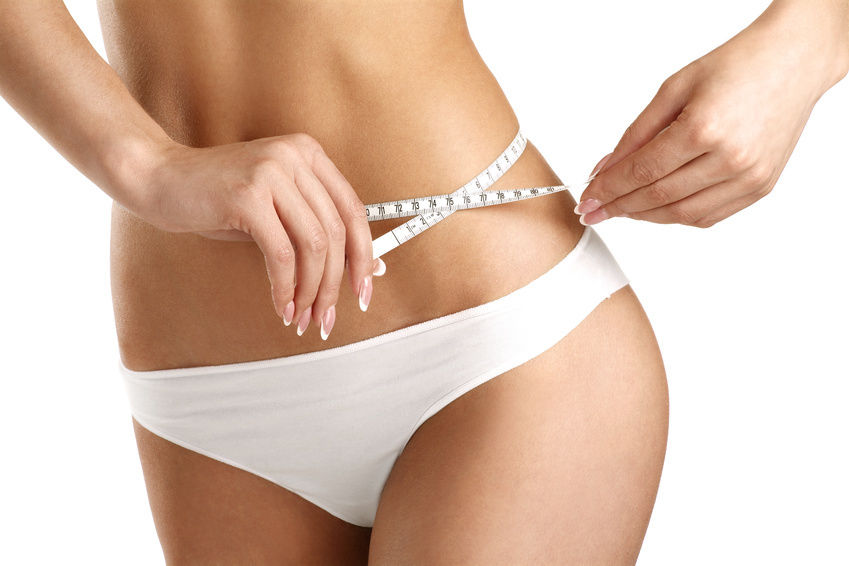
Check your waist size, for a woman’s waist size greater than 34.6 inches possesses serious health risk.
Storing excess fat around the waist poses a significant health risk, even in people not considered to be overweight or obese. The doctors should measure a patient’s waistline and their hips as well as their body mass index as part of standard health checks, according to the researchers, from Imperial College London, the German Institute of Human Nutrition, and other research institutions across Europe.
Similarly, according to a study from the American Cancer Society, which tracked the health of more than 100,000 people over nine years” having a large waist size doubled the risk of dying from any cause during the study period compared to those with smaller waists”.
Larger waist circumference has been linked to insulin resistance that can lead to diabetes, heart disease and abnormal cholesterol levels. Fat in the abdomen may be more dangerous because of the proximity to major organs, compared to subcutaneous fat. According to Eric J. Jacobs, an epidemiologist with the American Cancer Society in Atlanta “A larger waist size was found to be linked to a higher risk for dying from cardiovascular disease, respiratory disease and cancer at every measure of body mass index”.
It needs to be noticed that BMI is used to assess an individual’s health status, but at the same time waist circumference should not be ignored. Comparing subjects with the same body mass index, the risk of premature death increases in a linear fashion as the waist circumference increases. According to a study “The risk of premature death was around double for subjects with a larger waist ( more than 100cm or 39.4in for women) compared to subjects with a smaller waist ( less than 65cm or 25.6in for women).” It needs to be noted that each 5cm increase in waist circumference increased the mortality risk by 13% in women.
Even if your weight is considered normal for your height, keeping your waist size is important for your health. So if you notice your waist size increasing over time, it’s time to start eating better and exercising more.
This stands true to great extent, because menopausal women tend to store body fat in the abdominal area . Without the estrogen, our curves shift. So, women stand an increased risk for heart disease and risk of death in the postmenopausal years, because of body fat. The studies reaffirms the harm and the danger of looking like an apple as opposed to carrying your body fat like a pear. It is about the body fat you carry, not necessarily the number on the scale. It’s one more reminder that we’ve sort of accepted this is a part of aging, people get big around their middle. But just because it’s the norm doesn’t mean it’s OK.
The solution? Reduce your waist circumference and triglyceride levels with a regular exercise program.

- Triglyceride levels respond well to aerobic exercise of at least thirty minutes most days of the week. More vigorous exercise is better – but a brisk walk at least every other day should have an impact. The American Cancer Society recommends that adults aim for at least 30 minutes of moderate or vigorous physical activity 5 days a week or more.
- Combine regular exercise with a lower carb diet where simple carbs such as potatoes, white rice, and white bread are replaced with whole grains to help reduce body fat and waist size. To get the most out of your diet, try to eat at least 5 servings of fruit and vegetables every day, choose whole grains over processed grains, and limit red meat.
- People who carry most of their fat in the abdominal region usually respond well to a diet that’s lower in high glycemic carbohydrates. Don’t increase your risk of heart disease by carrying around too much fat on your waistline.
- Eliminate processed foods, reduce high glycemic carbohydrates, and get more aerobic exercise to reduce your waist size and triglyceride levels.
- Make a commitment to do it – for your health.
| American Cancer Society (ACS) researchers were among the first to hone in on the issue of excess weight and cancer risk. A 2003 ACS study of more than 900,000 men and women found the heaviest men had death rates from all cancers combined that were 52% higher than the rates among normal-weight men. The heaviest women had cancer death rates 62% higher than normal-weight women, the study found. |
Related Links
Disclaimer
The Content is not intended to be a substitute for professional medical advice, diagnosis, or treatment. Always seek the advice of your physician or other qualified health provider with any questions you may have regarding a medical condition.