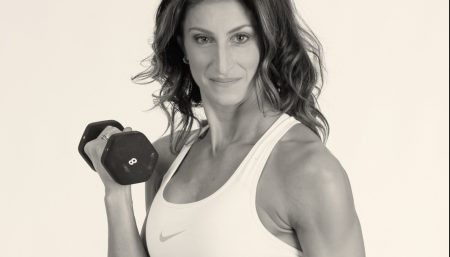
Weight training is very helpful in reducing stress. Lifting heavy or challenging weight can help you to release all the negative energy that you may be carrying around.
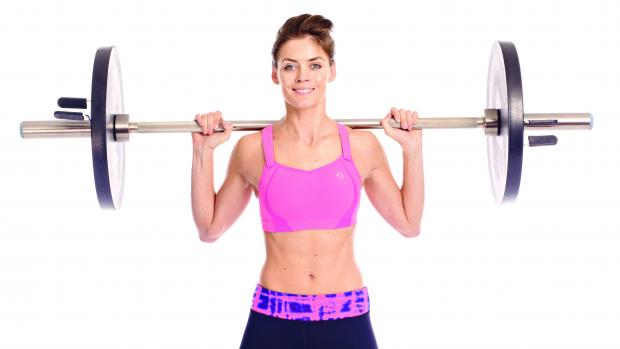
Exercise of any kind works unused adrenaline through your system, which will in turn allow you to sleep better and feel less agitated. Additionally, strength training raises your endorphin levels in the brain – the “natural high” serious exercisers talk about. This high may only temporarily relieve stress each time it occurs, but over time, experiencing those highs leads to a more positive, upbeat outlook which combats the agitated negativity of stress.
Weightlifting can build confidence. Even if you’re already reasonably confident, there is just something about feeling physically strong that makes you feel safer in a world that’s sometimes hostile. It gives you a much-needed dose of perspective, which helps your brain distinguish better between real emergencies and missed deadlines, thus reducing the number of times you have an unnecessary adrenaline response. This in turn reduces stress.
The average person should be able to lift 1.8 to 2.2 times their body weight for a 1RM. Your 1RM is the maximum amount of weight you can lift once with correct form.
The following are weight training exercises specifically designed to trigger hormone release in your body. This workout does not target a specific muscle group or area of the body, rather it works the overall body and increase the workout.
- Bench Press (Bb)
The bench press is, the most popular weight training exercise on the planet, and with good reason. This exercise is a test of absolute strength for the entire upper body. To perform, grip the bar with a slightly wider than shoulder-width grip. Perform 10 reps with the heaviest weight you can manage.
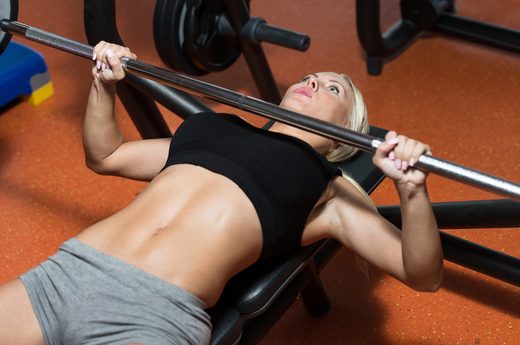
You can perform bench press with partial range reps, done in a specific range of motion. A partial bench press, for example, may involve doing only the top six inches of the range of motion. Partial reps have one major advantage over full range reps: you can target your resistance to the specific range of motion you are working in. If you’ve learned the benefits of partial rep, you’re better off doing all reps that way because it’s safer and you can use more weight. More weight = more endorphins. Rest for 15 seconds, then perform a second set to failure.
- Deadlift (Bb)
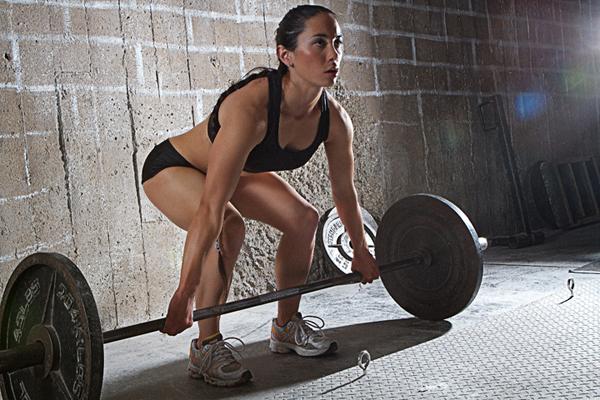
A deadlift is a strength-training exercise that primarily targets your hamstrings, low back, quadriceps and glutes. Place the barbell on the floor in front of you and stand with your feet shoulder-width apart. Tighten your core to stabilize your spine as you bend at the knees to retrieve the bar. Hold the bar with an overhand grip with your hands slightly wider than shoulder-width. Slowly extend your knees and hips as you return to an upright position. Lower the bar back down to the floor by slightly pushing your hips back and bending your knees. Gently lower your shoulders to keep your back flat as you bring the bar toward the floor. Avoid rounding your spine at any point in the exercise. Keep the barbell about one inch from your body throughout the exercise. Perform 10 reps with the heaviest weight you can manage. Again, rest for 15 seconds, then perform a second set to failure.
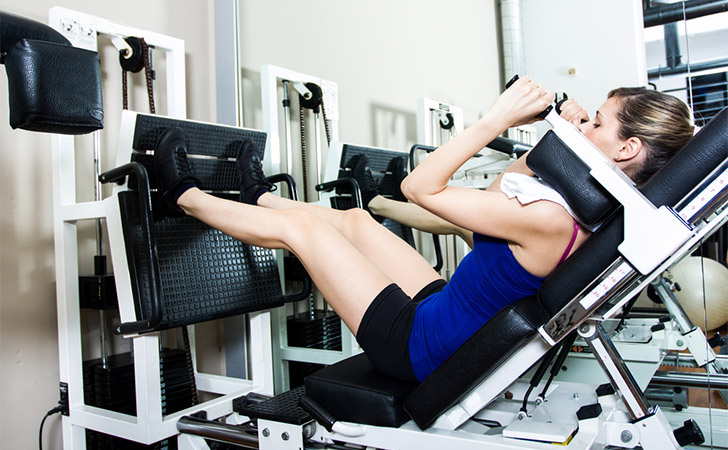
- Leg press
Leg press is demanding on the large muscles of the legs. Sit on the leg press machine with your lower back flush against the backrest. Hold onto the handles (usually beside your hips, if they are available). Adjust the seat so that your knees are slightly bent when your feet are resting on the pads. Add as much weight as you can push without hurting yourself to add bulk and to tone your leg muscle groups. Push in the weight and hold to a count of 8, then slowly bring the footpads back to the resting position. The slower you can release the weight, the better. Rest for 15 seconds, then perform a second set to failure. Rest for another 15 seconds, then perform a third set to failure. And you’re done.
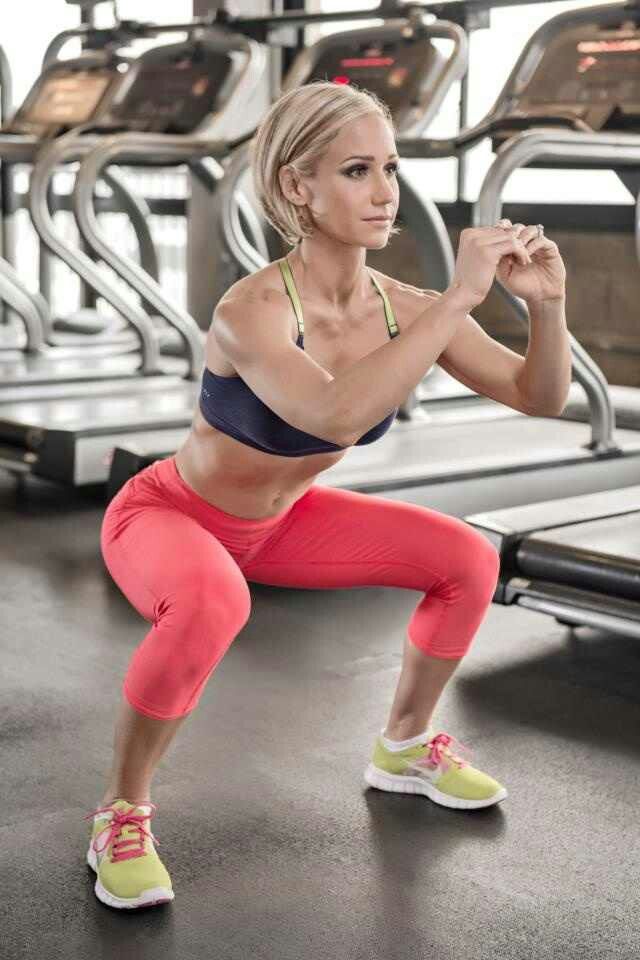
- Squats(Bb)
Begin the squat standing with feet facing forward and about shoulder-width apart. Slowly lower your body. Before extending into a full squat, stop, hold the position and roll your knees inward. Return to a standing position. Repeat to the count of 10, relax and repeat.
Thirty to 60 minutes after you complete this workout, you will feel a mild sense of euphoria and a higher energy level. You will also likely sleep better that night and feel more energetic the next day.
Additional links:
Related Links
- Boosting Testosterone in women over 40
- The Sleep Factor in Muscle Building
- Top 10 Strategies for Combating Stress
- Meditation for Pain Management
- Exercise: another excellent way to combat anxiety
- Exercise for relaxation
- Top 10 to combat holiday stress
Disclaimer
The Content is not intended to be a substitute for professional medical advice, diagnosis, or treatment. Always seek the advice of your physician or other qualified health provider with any questions you may have regarding a medical condition.