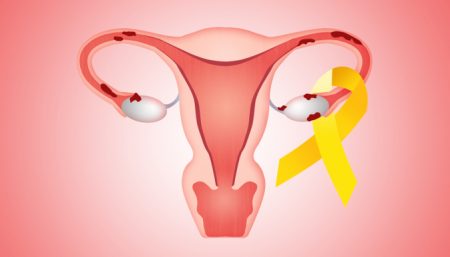
Endometriosis affects as many as 6% of the general population. Endometriosis is a female health disorder that occurs when cells from the lining of the womb (uterus) grow in other areas of the body. This can lead to pain, irregular bleeding, and problems getting pregnant. While some women with endometriosis remain asymptomatic, others experience dysmenorrhea, dyspareunia, non-cyclical pelvic pain, and subfertility. Now, new research indicates that patients with endometriosis are also more likely to develop inflammatory bowel disease.
Every month, a woman’s ovaries produce hormones that tell the cells lining the uterus (womb) to swell and get thicker. The body removes these extra cells from the womb lining (endometrium) when you get your period.
If these cells (called endometrial cells) implant and grow outside the uterus, endometriosis results. The growths are called endometrial tissue implants. Women with endometriosis typically have tissue implants on the ovaries, bowel, rectum, bladder, and on the lining of the pelvic area. They can occur in other areas of the body, too.
Unlike the endometrial cells found in the uterus, the tissue implants outside the uterus stay in place when you get your period. They sometimes bleed a little bit. They grow again when you get your next period. This ongoing process leads to pain and other symptoms of endometriosis.
Although endometriosis is typically diagnosed between ages 25 – 35, the condition probably begins about the time that regular menstruation begins.
Pain is the main symptom of endometriosis. A woman suffering with endometriosis may have:
- Painful periods
- Pain in the lower abdomen before and during menstruation
- Cramps for a week or two before menstruation and during menstruation; cramps may be steady and range from dull to severe)
- Pain during or following sexual intercourse
- Pain with bowel movements
- Pelvic or low back pain that may occur at any time during the menstrual cycle
Note: There may be no symptoms. Some women with a large number of tissue implants in their pelvis have no pain at all, while some women with milder disease have severe pain.
How can Yoga Help?
Yoga therapy has been found to alleviate symptoms associated with endometriosis and is often a beneficial option for those seeking to complement or reduce the use of endometriosis medication.
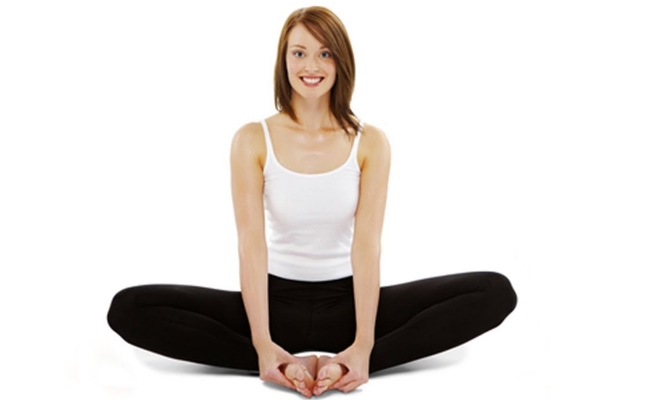
Yoga can help alleviate common endometriosis symptoms, namely, pain. Women with endometriosis can experience such pain-related symptoms as painful periods, pelvic pain and pain during intercourse. It can also help to alleviate fertility problems that are a result of endometriosis.
Yoga, when and if practiced religiously can minimize pain by helping the pain centre located in the brain to stabilize the gate-controlling mechanism that is found in the spinal cord, as well as the secretion of painkillers that are naturally released by the body.
Breathing exercises are used in yoga to help minimize pain since deep exhalation promotes relaxation, while reducing tension. Increased awareness of breathing also helps alleviate pain associated with endometriosis while promoting calm and overall mental and physical health. In addition, reduced stress levels have been linked to improved fertility.
Supta Baddha Konasana (Reclined Bound Angle Pose)
- Sit tall on your sitting bones.
- Place a thick rolled blanket (or a bolster) behind you, with the short end against your buttocks/sacrum. Place a block or pillow at the top of the blanket if the blanket is not long enough to support your head when you lay down.
- Bend your knees and place your feet together and on the floor. Place a rolled blanket beside each of your legs, positioned to support yourthighs
- Inhale deeply, lengthen the spine. Exhale and recline (using your arms to support you). Rest the spine on the rolled blanket (bolster) that is behind you. Let your head relax on the block or pillow.
- Tilt the pelvis toward the heels to create length in the lower spine. Be sure the soles of the feet are still together. Bring arms out to the sides, palms up. Let the shoulders and the chest soften and open. Rest and relax. Breathe deeply. Stay for as long as is comfortable.
- To exit the posture, use your hands to help bring your knees together, then inhale and lift up through the center, coming back to a seated position.
Supta Virasana (Reclined Hero Pose)
- Begin in hero pose – virasana.
- Bring the hands down to either side of your hips. Begin to walk the hands back toward your butt as you lean your torso back.
- Come down onto your forearms. If you are sitting on a tall support, like a block, this is as far as you should go. If you are sitting on a folded blanket, make sure you have blankets of the same height in place to support your spine as you come down.
- If you feel comfortable on the forearms, you can try continuing down until your back rests on the floor.
- If you feel pain in the knees or low back, come out since these are not the areas that this pose is intended to stretch.
- Make sure that the knees stay close together.
- Stay five breaths.
- To come out, raise yourself onto your forearms first. Then press into the hands to bring yourself all the way up.Beginners: The seated version of virasana is intense enough for many beginners. Stay here or proceed with caution to avoid injury to the knees or low back.
Cobra Pose (Bhujangasana)
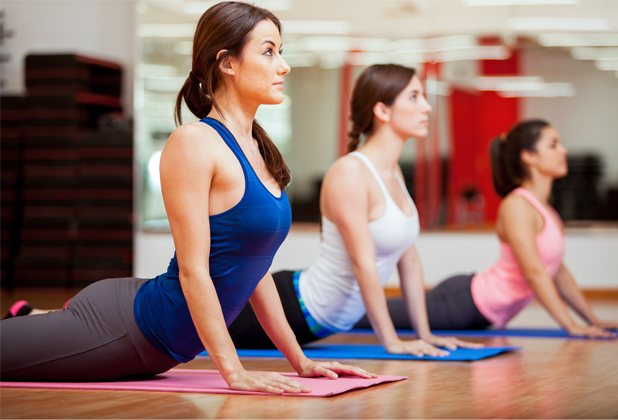
This Yoga Pose improves spinal flexibility and strengthens the muscles in the arms and back. In addition, it is effective in relieving menstrual irregularities and constipation.
- Lie prone on the floor. Stretch your legs back, tops of the feet on the floor. Spread your hands on the floor under your shoulders. Hug the elbows back into your body.
- Press the tops of the feet and thighs and the pubis firmly into the floor.
- On an inhalation, begin to straighten the arms to lift the chest off the floor, going only to the height at which you can maintain a connection through your pubis to your legs. Press the tailbone toward the pubis and lift the pubis toward the navel. Narrow the hip points. Firm but don’t harden the buttocks.
- Firm the shoulder blades against the back, puffing the side ribs forward. Lift through the top of the sternum but avoid pushing the front ribs forward, which only hardens the lower back. Distribute the backbend evenly throughout the entire spine.
- Hold the pose anywhere from 15 to 30 seconds, breathing easily. Release back to the floor with an exhalation.
Anuloma Viloma
- Anuloma Viloma is also called the Alternate Nostril Breathing Technique. In this Breathing Technique, you inhale through one nostril, retain the breath, and exhale through the other nostril.
- Inhale through the left nostril, closing the right with the thumb, to the count of four.
- Hold the breath, closing both nostrils, to the count of sixteen.
- Exhale through the right nostril, closing the left with the ring and little fingers, to the count of eight.
- Inhale through the right nostril, keeping the left nostril closed with the ring and little fingers, to the count of four.
- Hold the breath, closing both nostrils, to the count of sixteen.
- Exhale through the left nostril, keeping the right closed with the thumb, to the count of eight.
It would be better to counterbalance a vigorous practice with poses that soften, relax, and open the pelvis. Consider getting screened for endometriosis if your mother or sister has been diagnosed with endometriosis, or if you are unable to become pregnant after trying for 1 year.
References
- Pub Med Health
- Yogajournal.com
Related Links
- Meditation for Pain Management
- Yoga for Amenorrhoea
- Hormone-Related Disorders – Their Symptoms & Treatment
- Irregular Menstrual Period
- Choosing the right exercise for banishing back pain
- Yoga to enhance Fertility
- Breathing
Disclaimer
The Content is not intended to be a substitute for professional medical advice, diagnosis, or treatment. Always seek the advice of your physician or other qualified health provider with any questions you may have regarding a medical condition.