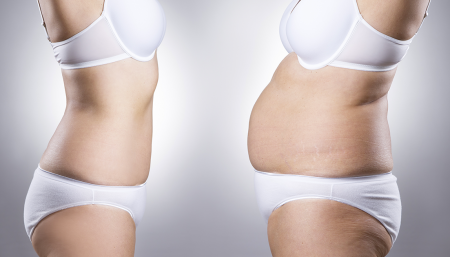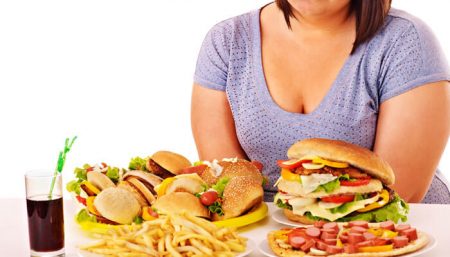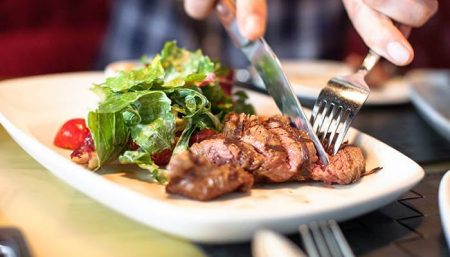
Body weight is largely regulated by what goes into the stomach and more by the time when it is rendered to the body. No matter whether your goal is weight loss or management, you need to carefully watch your meals. About dinner….the earlier you eat, the better. This allows the body time to digest food properly, while you are awake and active. If you eat and go bed soon after, it does not have enough time to digest what you have eaten before resting. Food sits in the body overnight, then passes out without being properly digested, or it can hang around too long in the body as undigested waste.
A Northwestern University study has found that eating at irregular times — the equivalent of the middle of the night for humans, when the body wants to sleep — influences weight gain.
Key Points for Dinner Time Meal
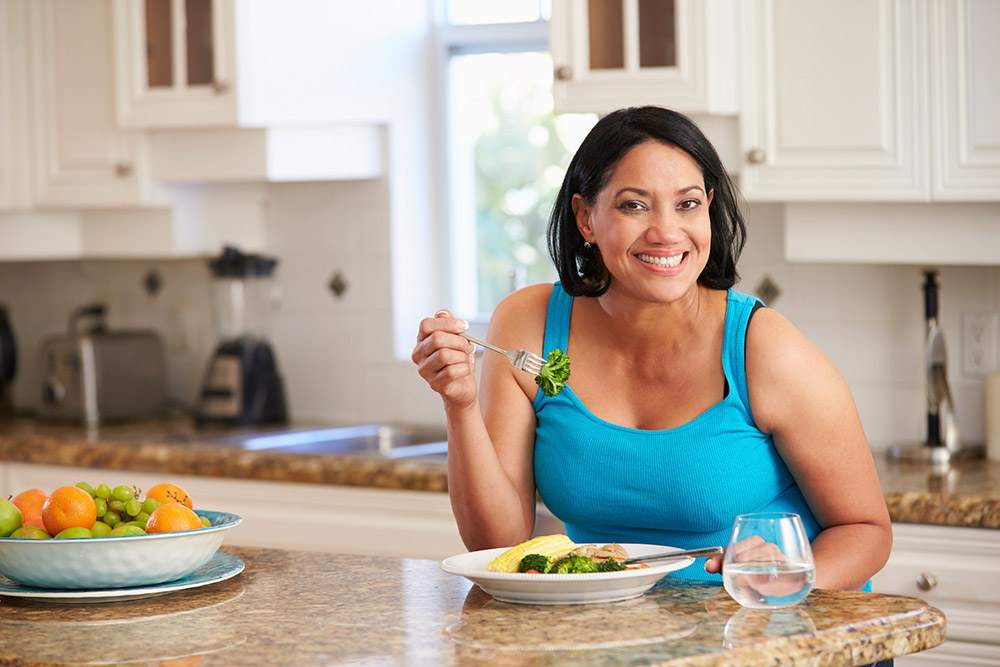
- Once you have decided your daily caloric intake, then dinner should constitute not more than 20 or 25 % of the total calorie intake for the day. For example, if you are on a 1500 kcal diet plan, then your dinner should be something between 300 to 375 calories.
- Focus on small portion sizes.
- If any case the dinner gets late, make sure that the meal is more alkaline, as alkaline foods are easier to digest.
- Avoid having a meal that contains meat, wheat or dairy products, less than two hours before going to bed, as these acid-forming foods are more difficult to digest. This way you are working with your body to give it what it needs when it needs it.
- Try to eat as early in the evening as possible, preferably at least two hours before you go to bed your evening meal and aim to make it less starchy.
- Make sure that only one of your meals each day contains wheat products such as bread, pasta and couscous.
- Increase the intake of dark green vegetables.
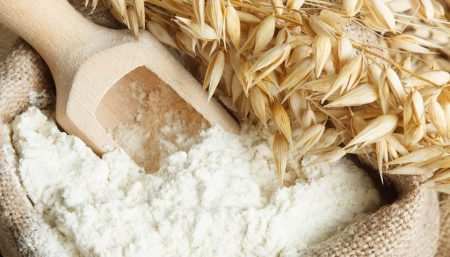
Less wheat
Wheat is not the most digestion-friendly food and by now you should be adjusting to eating less of it, replacing it with more fresh fruit and vegetables. Begin to phase wheat out of your evening meals now and experiment with replacements such as wild rice, millet, lentils and barley. These have a cleansing effect on the body because of their high fibre content and are an excellent source of protein, which the body needs to maintain and repair itself. You can also buy wheat-free pasta and bread.
Eat your greens
Vegetables such as broccoli, spinach, kale, courgettes and asparagus all have antioxidant properties, as do red peppers and carrots. Antioxidants are our first line of defence against ageing, heart disease, cancer and the harmful effects of stress. They neutralize free radicals, unstable substances that occur in the body as a by-product of oxidation, which can cause damage, especially to cell membranes.
Size is important
The body needs more energy during the day, when you are active, and less energy during the night, when you are asleep. Alter the size of your meals accordingly: make breakfast and lunch your bigger, heartier meals and keep your evening meal simple and more alkaline-based. Try to include protein, vegetables and occasionally some carbohydrates. Enhance the flavour of food by experimenting with fresh herbs and spices rather than cooking with fat and oil. Remember that the fat in fish is good for you as it contains selenium, an antioxidant, which can help control cholesterol levels and may also help protect against cancer.

Healthy dinners suggestions
- Grilled or steamed fish– Oily fish high in Omega-3 fatty acids are best: try trout, salmon, sea bass, tuna and mackerel.
- Seasonal vegetables– Eat them raw, steamed or roasted.
- Vegetable risotto– Try mushroom, courgette or asparagus, but do not include cream or cheese
- Stir-fries Vegetables– such as mange tout, bean sprouts, carrots, onion and peppers can be combined with prawns or skinned chicken breast: use a small amount of oil and cook quickly to ensure the vegetables stay crunchy.
- Beans and lentils- Try bean soup or dal.
- Frozen yoghurt and sorbet- These are good low-fat dessert options.
- Fruit- Try fresh fruit salad, poached pears or baked apples instead of desserts made with lots of sugar and cream.
Note: Do not starve at night because that will further slow metabolism and put a stop to the weight loss process. But definitely do not over eat. Over eating beyond 4pm leads to adiposity. The 30 minute walk is also excellent for aiding your digestion.
Disclaimer
The Content is not intended to be a substitute for professional medical advice, diagnosis, or treatment. Always seek the advice of your physician or other qualified health provider with any questions you may have regarding a medical condition.