
In a new randomized controlled trial, both aerobic and resistance exercise improved glycemic/blood sugar control in people with type 2 diabetes. The greatest improvements came from combined aerobic and resistance training.
The study included 251 adults, between ages 39 and 70, who were not exercising regularly and had type 2 diabetes. Participants were assigned to one of four groups: performing 45 minutes aerobic training three times per week, 45 minutes of resistance training three times per week, 45 minutes each of both three times per week, or no exercise.
Both the aerobic and resistance training groups had improved blood sugar control A1c value decreased by about 0.5 percent. The group that did both kinds of exercise had about twice as much improvement as either other group alone – A1c value decreased by 0.97 percent compared to the control group. The control group that did not exercise had no change in A1c value.
The bottom line is that doing both aerobic and resistance exercise is the way to maximize the effects of exercise on blood glucose control in type 2 diabetes.
Exercise is an inexpensive pill that could decrease the hemoglobin A1c value by 1 percentage point, reduce cardiovascular death by 25 percent, and substantially improve functional capacity (strength, endurance, and bone density).

How exercise can help
Aerobic exercise increases insulin sensitivity and, along with proper nutrition, helps restore normal glucose metabolism by decreasing body fat. Low-impact exercise such as walking or stationary cycling is recommended, along with enough exercise to promote weight management. The goal should be to exercise five times per week, up to 40 – 60 minutes per session at a moderate intensity. This level of exercise can be reached gradually, starting as low as 10 – 20 minutes a few times a week for a person who has never exercised. Remember to increase only one factor at a time (days per week, length of session, or intensity).
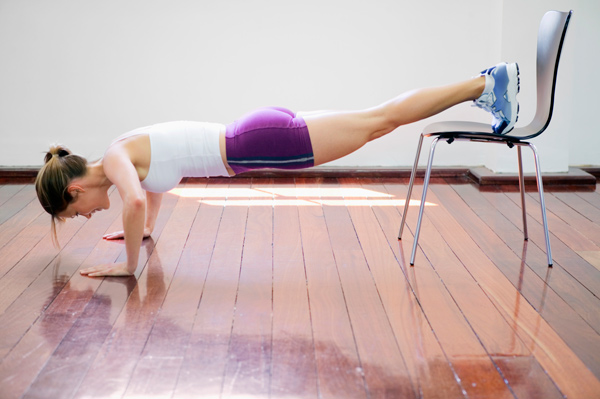
Strength training also decreases body fat by raising the lean body mass and metabolism. It’s main benefit, however, is increasing glucose uptake by the muscles and enhancing the ability to store glucose. A basic recommendation from the American College of Sports Medicine is to train a minimum of two times per week, doing 8 – 12 repetitions per set of 8 – 10 exercises targeting major muscle groups. Safety precautions must be followed for the exercising diabetic. A personal trainer can help to set up a program for the Type 2 diabetic and help them exercise correctly. With your doctor’s permission, exercise bands a safe, simple and effective way to exercise at home.
 Exercise and good nutrition provide real physical payoffs–they are essential to controlling diabetes. Exercise can help prolong your life and improve the quality of your added months and years. Sticking to an exercise program can be a challenge for anyone, even with strong medical reasons to exercise.
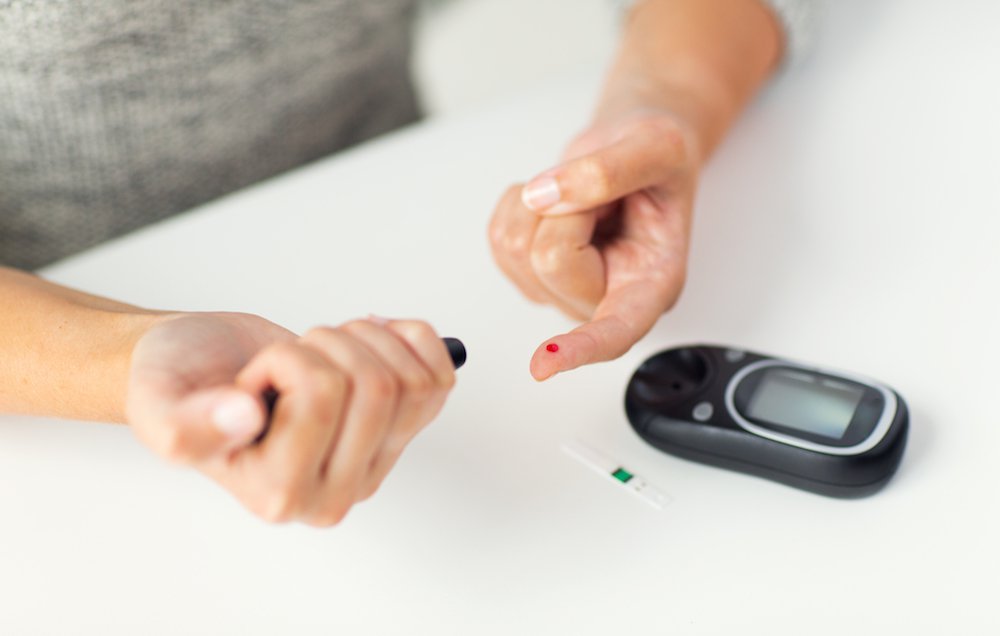
Measuring your blood-glucose level before and after exercise can be a motivator. Diabetics who play the “numbers game” commonly see a twenty percent decrease in their blood-glucose level after exercising.
Make sure that the exercise routine is fun, something you look forward to and there is some variety.
Exercise checklist for people with diabetes
- Talk to your doctor about the right exercise for you.
- Check your blood sugar level before and after exercising (blood glucose less than 250 mg/dl). Take your blood-glucose level at least every 20 – 30 minutes during your workout. After your workout eat a complex carbohydrate snack (starchy food). Don’t exercise if blood glucose level is below 100 mg/dl or you don’t feel right.
- Check your feet for blisters or sores before and after exercising.
- Wear the proper shoes and socks.
- Drink plenty of fluid before, during and after exercising.
- Warm up before exercising and cool down afterward.
- Have a snack handy in case your blood sugar level drops too low.
Related Links
- Identifying appropriate strategies for diabetes prevention
- Top 10 Do’s For Women With type II Diabetes
- Top 10 Healthiest Snacks : You Can Just Keep on Eating
Disclaimer
The Content is not intended to be a substitute for professional medical advice, diagnosis, or treatment. Always seek the advice of your physician or other qualified health provider with any questions you may have regarding a medical condition.