Antioxidant rich food add to health by fighting free radicals. Free radicals are charged oxygen molecules that our bodies create – and are exposed to. In case of over-riding free radicals the immune system, slows down considerably. Also, oxidative damage of biomolecules increases with age and is postulated to be a major causal factor of various physiological function disorders.
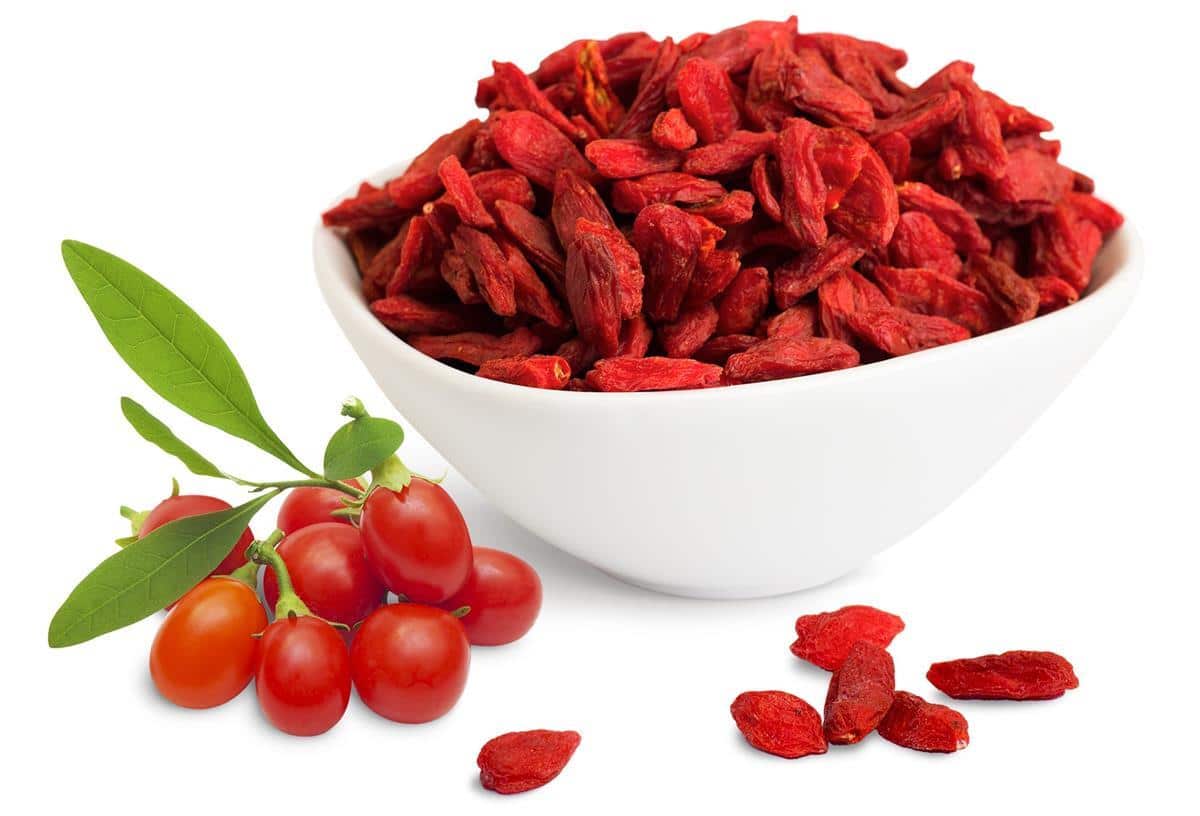
There are three main components in the goji berry (Lycium barbarum) that act as anti-oxidants: polysaccharides, carotenoid, and germanium.
Goji berries are rich in unique compounds known as Lycium barbarum polysaccharides. These nutrients have been shown to enhance immunity and have a similar chemical structure to immune stimulating compounds with mushrooms and echinacea. These polysaccharides provide immune cells with special sugars that enable them to communicate more effectively. According to a study it was concluded that the Lycium barbarum polysaccharides can be used in compensating the decline in Total Anti-oxidant Capacity (TAOC), immune function and the activities of antioxidant enzymes and thereby reduces the risks of lipid per-oxidation accelerated by age-induced free radical. Antioxidant activities of Lycium barbarum polysaccharides can be compared with normal antioxidant, vitamin C. Another study indicated that regular intake of Goji berries could enhance the storage of muscle and liver glycogen, increase the activity of LDH (Lactate dehydrogenase, an enzyme) before and after swimming (in swimmers), decrease the increase of blood urea nitrogen (BUN) after strenuous exercise, and accelerate the clearance of BUN after exercise. The dosage of LBP-X 10 mg.kg-1.d-1 was the best amount among the five tested doses.
Another vital anti-oxidant in the goji berry, is carotenoid in the form of beta-carotene (pro vitamin A compound) and zeaxanthin. Studies conducted over several years indicate that beta carotene may play a significant role in reducing the effects of certain illnesses (such as heart disease, decreased immune function, cataracts, and forms of cancer). Beta-carotene yields safe levels of vitamin A in our bodies, promoting normal cell growth and development, healthy immune function and aiding in improved eyesight. Zeaxanthin is one of the most common carotenoid alcohols found in nature and is used to treat disorders of the eye, including limiting the onset and progression of age-related macular degeneration. AMD is the leading cause of vision loss and blindness in those over 65 years of age.
Germanium sesquioxide, present only in goji fruit has been found to be effective in treating certain types of cancer, and is also critical in boosting interferon levels. According to sources Goji berry contains 124 part/million of Germanium. Japanese studies indicate that organic germanium is effective in the treatment of cervical cancer, lung cancer, uterine cancer etc. The late Dr. Kazuhiko Asai PhD, spent more than 30 years studying germanium sesquioxide and lead the field in the discovery of its healing benefits. In his book, “Miracle Cure – Organic Germanium,” he wrote about the “electric potential” of cancer cells being dramatically different from that of normal cells. Because cancer cells multiply at a furious pace, their “electric potentials” are high and undergo extremely rapid changes. Germanium sesquioxide, however, acts to lower the “electric potentials” of cancer cells by taking away their electrons. This, in turn, suppresses the activities of abnormal (cancer) cells and also keeps cancer from spreading.
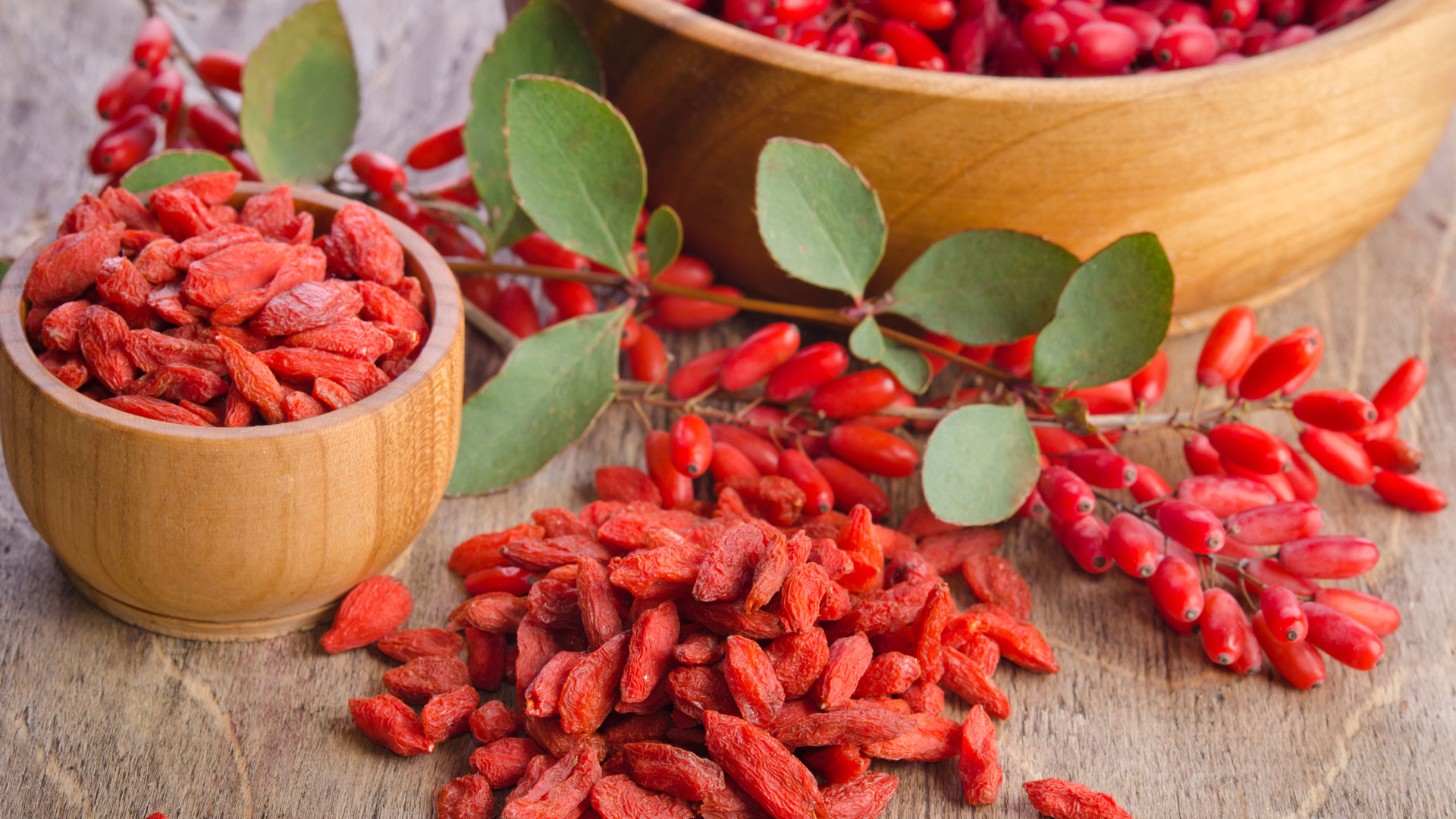
Goji berries can be used a variety of ways. In Chinese medicine they are used in teas (the heating process extracts the polysaccharides into the tea water), soup or eaten raw.
It must be cautioned that germanium is not a cure-all compound, and that intake of too much germanium has been found to have very negative results. Goji berries may interact with diabetes and blood pressure drugs.
Disclaimer
The Content is not intended to be a substitute for professional medical advice, diagnosis, or treatment. Always seek the advice of your physician or other qualified health provider with any questions you may have regarding a medical condition.