A wealth of new scientific evidence shines a critical light on the importance of natural foods and nutritional compounds in the fight against overweight, obesity and weight maintenance.
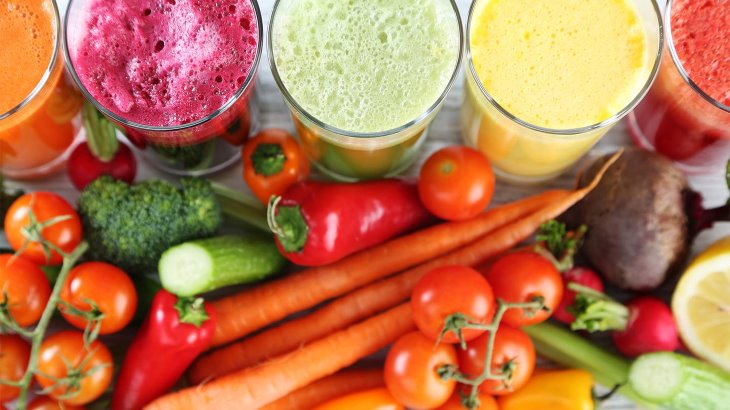
A number of independent studies have concluded that blueberries, watermelon, red grapes, green tea cocoa flavanols and many more foods exert a potent effect on fat cell formation that can aid in weight loss and management goals when included as part of your daily diet.
- Blueberries-Researchers reporting the results of a study to the Experimental Biology 2011 conference have found that blueberries may hold the key to resolving one of the largest threats to human health this century – overweight and obesity. According to them, extracts of the berry compound inhibit the formation of new baby fat cells (adipocytes) in a dose-dependent manner. Less adipocytes mean there are fewer `containers` to store triglycerides from the blood, and this is an ultimately powerful mechanism to lower or help maintain body weight. It was found that blueberry extract supplementation helped in reducing the number of adipocytes up to 73 percent, and at the same time assisted in the breakdown of lipids and fats for removal from the body.
- Red Grapes – Resveratrol, the bioactive compound found most commonly in the skins of red grapes, is shown to reduce body fat formation by preventing the formation of fat tissue in a study published in the journal Nutrition and Metabolism. The compound is known to positively affect cognitive functions and extend natural lifespan by regulating the longevity gene SIRT1. Researchers explain that ingesting resveratrol at supplemental doses (50 mg per day) for a period of six weeks caused a significant reduction in the activity of enzymes linked to fat production in the body.
- Cocoa- Research published in the Journal of Agricultural and Food Chemistry provide evidence that extracts of the cacao bean, particularly the flavanol epicatechin, are potent inhibitors of enzymes that break down carbohydrates during digestion. Study authors determined the compound exerted an effect in a dose-dependent fashion, noting “the more consumed, the greater the effect.” They were also careful to conclude that chocolate and cocoa are two very different terms with the distinction that cocoa is the non-fat component of cocoa liquor, and the carbohydrate-inhibiting effect is not seen when sugar-infused milk chocolate sources are used. A minimum cocoa content of 55% is necessary for health and weight management concerns.
- Watermelon: Researchers from the University of Kentucky have demonstrated that consuming watermelon juice can have a significant impact on artery-clogging plaque deposition by modifying blood lipids and lowering dangerous belly fat accumulation. Regular consumption of the red fruit can help manage fat deposition and weight management goals while lowering the risks associated with coronary artery plaque accumulation and heart disease. Researchers using mice with diet-induced high cholesterol were given supplemental watermelon juice while a control group was fed a typical diet with plain water. After a study period of eight weeks, the animals given watermelon juice had lower body weight than the control group, due to decreased fat mass. They experienced no decrease in lean mass, an important finding: muscle tissue remained viable and weight loss was due to loss of abdominal body fat.
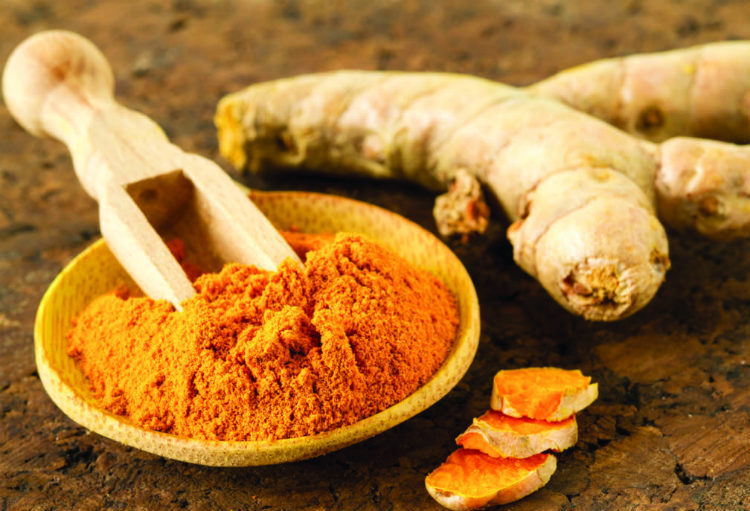
- Curcumin- a natural polyphenol extracted from curry powder has powerful antioxidant and anti-inflammatory properties.It helps to prevent obesity and assists natural weight loss by inhibiting the formation of new blood vessels which are required to form new baby fat cells. This polyphenol also influences how the body regulates triglycerides (blood fats) which are then stored as body fat or burned as a source of energy. A study published in The Journal of Nutrition details how curcumin prevents excessive accumulation of triglycerides in the blood and shifts our metabolism away from fat storage. The study authors conclude that curcumin `may have a potential benefit in preventing obesity.`
Go on to replace commercially prepared foods with natural whole foods. The diet foods that seems like a “calorie bargain” — promising to satisfy your hunger while still remaining under a set calorie limit — may harbor hidden dangers. Many of these foods contain MSG and other chemicals that affect the nervous system in a way which can over-stimulate the appetite, leaving you with the desire to overeat. The same is true for many snack foods advertised as “healthy”r “natural.” Diet sodas pose a similar danger, offering the lure of zero/low calories but causing a spike in blood sugar levels.
Disclaimer
The Content is not intended to be a substitute for professional medical advice, diagnosis, or treatment. Always seek the advice of your physician or other qualified health provider with any questions you may have regarding a medical condition.