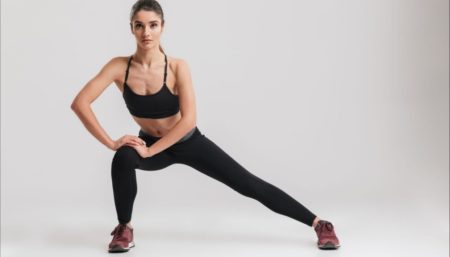
The usual forms of weight-bearing high-impact exercise, such as jogging and various other sports, are known to stimulate the cells that build bone. Unfortunately, with the passage of time, such forms of movement often contribute to joint destruction that can result in hip and knee replacements.
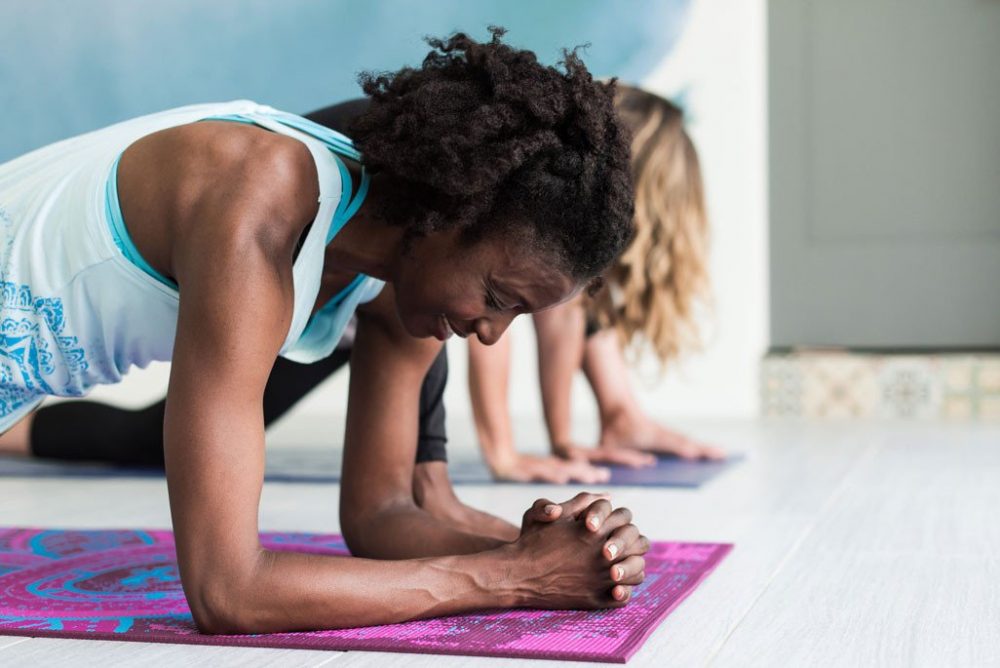
Recent studies report that yoga improves the actual congruence of joints, undoing (reversing) the wear and tear that is responsible for osteoarthritis. Non impact, non weight-bearing exercise, such as swimming, won’t wear out your joints, but it won’t strengthen your bones, either. The good news is that a balanced yoga practice can give you all the positive benefits of weight-bearing exercise without negative wear and tear on the joints!
Yoga is the ideal exercise prescription for prevention of osteoporosis, for those already at risk, and for bone regeneration. The 206 bones in the human body are living, breathing, changing tissue that requires a steady supply of blood and nutrients and a flow of energy or prana. Yoga postures, besides providing a superior form of weight-bearing exercise that stimulates bones to retain calcium, also help stimulate and distribute the flow of synovial fluid, which lubricates the joints between the bones. Jogging, dancing, weight lifting, racquet sports and other forms of exercise, while strengthening bones, may cause further imbalance in the muscular system. Conversely, yoga postures balance the muscular system while bones are strengthened. When the muscular system is balanced, the skeletal system is brought back into alignment, reducing the risk of wear-and-tear conditions such as osteoarthritis.
Ten Reasons Why Yoga Builds Better Bone Strength at Any Age:
 In yoga, weight is borne through the entire body. In weight-bearing standing poses, inverted poses and partially-inverted poses like Downward Facing-Dog Pose, active backbends, and various arm balances, weight is systematically applied to the bones in the hands, wrists, arms, upper body, neck and head, and feet and legs.
 Because yoga postures are learned gradually, the weight applied to the bones increases safely and incrementally, as the student becomes stronger and can hold postures for longer periods.
 While building strength, yoga poses simultaneously promote mobility in the hips and shoulders, remove stiffness in the joints, and bring flexibility to the whole body.

 Standing poses and other poses that require one to strongly engage the bones and muscles of the legs affect the pelvis and spine. This increases circulation and benefits the health of the whole body.
 Yoga prevents and can even reverse the most visible and obvious symptom of osteoporosis and aging: the rounding of the spine. Yoga poses encourage concavity of the spine, rather than a convex humped shape. Decreased height is not always the result of bone loss. Years of poor posture and lack of stretching can also make us shorter than we once were. Some height loss results from the shrinking of spaces between vertebral disks, even when bone density is good. Yoga helps keep the space between the vertebrae open, plump and supple.
 Weight bearing through the arms and upper spine in poses such as Downward-Facing Dog and Handstands and other weight-bearing inversions keep the upper spine strong. Yoga’s upper-body weight-bearing poses are particularly beneficial in preventing the hairline fractures in the vertebrae that result in the upper-back curvature common in older people.
 While other weight-bearing exercises tighten the body and wear out the joints, yoga increases flexibility and “lubricates” the joints by giving them an internal massage.
 Seated postures help keep our hip joints healthy as they require a wide range of movements that increase mobility.

 Yoga postures also have a balancing effect on the endocrine glands, which contributes to the formation of strong, healthy bones. Restorative yoga poses such as Supported Legs Up the Wall Pose replenish the adrenal glands, thus reducing stress levels and inhibiting excess calcium secretion. Supported backbends—which can be as mild as restorative poses, such as lying over a bolster, or more intense, such as using a chair or backbender as support— promote deep relaxation and restore the health of the endocrine system.
 Yoga improves balance and coordination, helping to prevent falls. Agility and flexibility derived from a range of movement help us to maintain our balance and avoid falls.
Disclaimer
The Content is not intended to be a substitute for professional medical advice, diagnosis, or treatment. Always seek the advice of your physician or other qualified health provider with any questions you may have regarding a medical condition.