Adequate iron is essential for the formation of healthy red blood cells, and for both fetal demands and the large increase in maternal blood volume. Pregnant women should eat a range of iron-rich foods in order to prevent an iron deficiency.
Anemia is an abnormally low level of red blood cells and hemoglobin in the blood. It is common during pregnancy.
Possible Causes
Around the 20th week, some pregnant women become anemic.
- This is due to the increased need for iron because the body is making more blood.
- Women who are anemic before pregnancy may continue to have problems during their pregnancy.
- Besides, often the diet alone does not provide enough iron to meet the needs (27mg per day).
- Also, the growing baby takes all the iron it needs from you, regardless of how much you have in your system.
- Sometimes anemia during pregnancy is caused by a lack of one of the B vitamins and folic acid.
Symptoms of Anemia
- Extreme fatigue
- Weakness
- Pale skin
- Dizziness
- Out of Breath
- Heart Palpitations
- Trouble concentrating
- Finally, some studies have found a link between severe iron-deficiency anemia and cravings for non-food substances such as ice, paper, or clay (a condition known as pica). If you do have these cravings, don’t give in to them, and be sure to tell your healthcare provider
If you remain anemic during the first two trimesters, though, you’re at a higher risk for having a preterm delivery or a low-birth weight baby, so it is something to take seriously. And if you’re severely deficient, it could affect your baby’s iron stores at birth, increasing his risk for anemia later in infancy. If you’re anemic later in pregnancy, you’re more likely to have problems if you lose a lot of blood when you give birth. You may feel dizzy, have a rapid heart rate, or have other symptoms that require you to stay in the hospital an extra day or two. You’re also more likely to need a blood transfusion.
Test for Anemia
One test for determination of anemia is the complete blood count (CBC), a test that provides the physician with information on the number, size and appearance of red blood cells. The iron component, hemoglobin, and hematocrit are also measured in a CBC. The hematocrit is the percentage by volume of RBCs in the blood and can indicate possible anemia. From the blood smear portion of a CBC, RBC morphology can be evaluated for cell color, size, and shape.
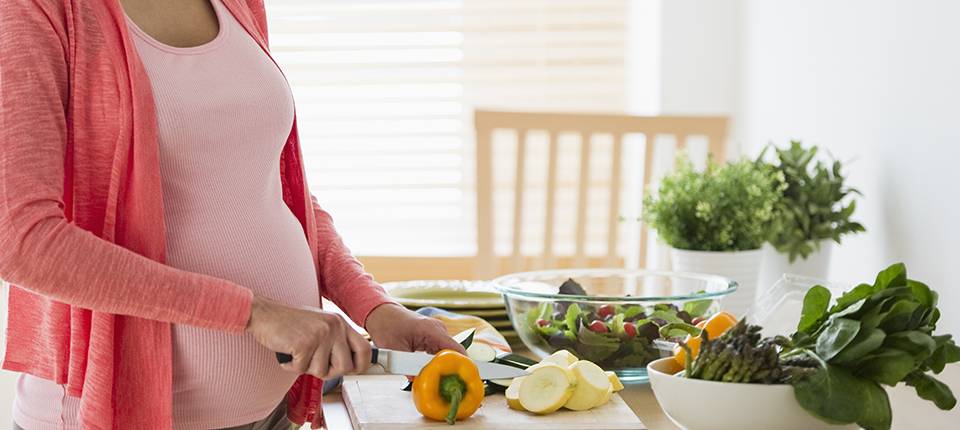
How Much Iron Should You Get During Your Pregnancy?
You needed about 15mg of iron per day pre-conception, which is a fair amount. Many women who aren’t pregnant do not even reach the RDA each day. Now that you are pregnant you will need almost twice the amount of iron per day.
Your health care provider might advise you to take an iron supplement to try and bring your iron levels up to what they should be. To make sure you absorb as much of the iron as possible, take your iron pills on an empty stomach. Wash them down with water or orange juice (the vitamin C helps with absorption) but not with milk (calcium hinders absorption).
|
If you do experience digestive issues, you may want to ask your doctor about a carbonyl iron supplement. Carbonyl iron is the only form of iron naturally regulated by the body, providing a more gradual and gentle absorption of iron. This slow absorption helps to minimize side-effects associated with iron supplements, without compromising effectiveness.
Be aware that taking iron supplements can often cause constipation, nausea and vomiting, so try not to rely solely on iron supplements and eat a healthy diet.
Food Sources of Iron
Dietary iron comes in 2 forms – heme iron and non-heme iron. Heme iron is found only in animal tissues, whilst plant foods contain only non-heme iron. Non-heme iron is less easily absorbed by the body than heme iron. As a rough guide, the amount of iron absorbed is about 10-20 percent from animal foods and 1-10 percent from plant foods.
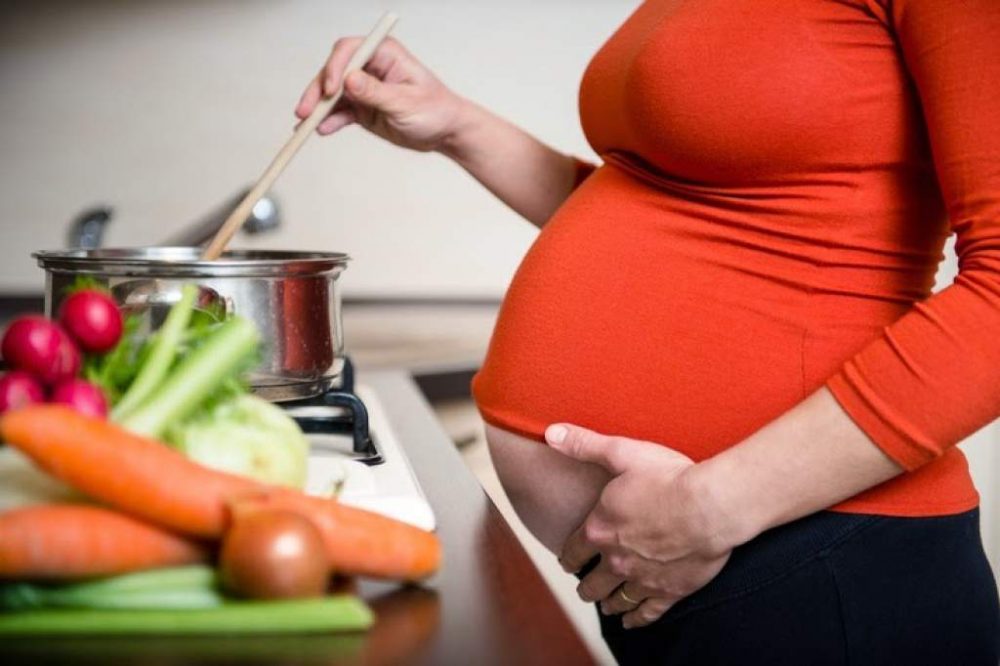
Good sources of iron for vegetarians include wholegrain cereals/flours, leafy green vegetables, eggs, blackstrap molasses, legumes (eg. lentils, red beans), apricots and figs.
All iron absorption, but especially that of non-heme iron is boosted (by up to 600 percent) when the iron-rich meal includes a source of vitamin C, like orange juice, cauliflower, dark leafy vegetables, tomatoes or citrus fruit.
|
What can I do to prevent anemia during pregnancy?
- Take vitamin pills with iron as prescribed by your health care provider throughout your pregnancy.
- Don’t take iron pills with milk because it may prevent the iron from being absorbed.
- Eat foods high in iron and vitamin C. (Vitamin C helps your body absorb iron.) Often, foods that are high in iron are also good sources of folic acid.Foods that are high in iron include:
▪ liver, kidney, and red meat
▪ dried beans
▪ leafy green vegetables
▪ dried fruits such as raisins, prunes, and apricots
▪ prune juice
▪ bread, pasta, cereal, and other foods made from fortified, enriched, or whole grains
One note of caution: Don’t turn to liver for your iron needs. Liver is best avoided during pregnancy because it contains unsafe amounts of vitamin A, which can cause birth defects.
Disclaimer
The Content is not intended to be a substitute for professional medical advice, diagnosis, or treatment. Always seek the advice of your physician or other qualified health provider with any questions you may have regarding a medical condition.