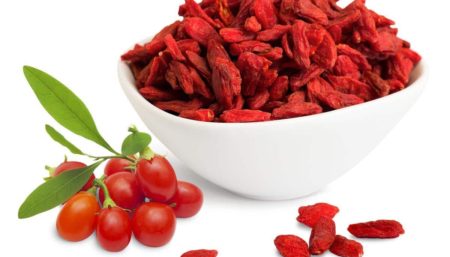
The general guidelines for the anti-aging diet are: keep your calorie consumption and saturated fat intake down; eat plenty of wholegrain, oily fish and fresh fruit and vegetables; and cut down on salt and sugar. Combine this with some of the fantastic anti-aging products are the market and you have a recipe for success. In addition to these general guidelines, there are specific foods that have a roll in anti-aging and that you should regularly include in your diet.
Staying 5-10% below ideal body weight is a good target for anti-aging weight.
 Avocado:
This fruit, which is usually eaten as a vegetable, is a good source of healthy monounsaturated fat that may help to reduce level of a bad type of cholesterol in body. Avocado is a good source of vitamin E and can help to maintain healthy skin and prevent skin aging (vitamin E may also help alleviate menopausal hot flushes). It is rich in potassium which helps prevent fluid retention and high blood pressure.
 Berries:
All black and blue berries such as blackberries, blueberries, blackcurrants and black grapes contain phytochemicals known as flavonoids-powerful antioxidants which help to protect the body against damage caused by free radicals and aging.
 Cruciferous vegetables:
The family of Cruciferous vegetables includes cabbage, cauliflower, broccoli, kale, turnip, brussels sprouts, radish and watercress. Cruciferous vegetables assist the body in its fight against toxins and cancer. You should try to consume at least 115g/40z(of any one or a combination) of these vegetables on a daily basis. If possible, eat them row or very lightly cooked so that the important enzymes remain intact.
 Garlic:
Eating a clove of garlic a day (row or cooked) helps to protect the body against cancer and heart disease. The cardio-protective effects of garlic are well recorded. One 1994 study in Iowa, USA, of 41,837 women between the age of 55 and 69 suggested that women who ate a clove of garlic at least once a week were 50 percent less likely to develop colon cancer. Another study at Tagore Medical college in India suggested that garlic reduced cholesterol levels and assisted blood thinning more effectively than aspirin, thus helping to reduce the risk of heart disease.
 Ginger:
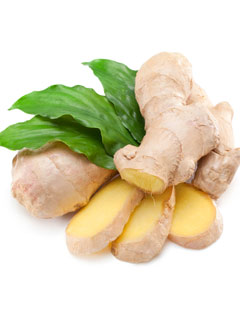 This spicy root can boost the digestive and circulatory systems, which can be useful for older people. Ginger may also help to alleviate rheumatic aches and pains.
 Nuts:
Nuts:
Most varieties of nuts are good sources of minerals, particularly walnuts and brazi nuts. Walnuts, although high in calories, are rich in potassium, magnesium, iron, zinc, copper and selenium. Adding nuts to your diet (sprinkle them on salads and desserts) can enhance the functioning of your digestive and immune systems, improve your skin help control prevent cancer. Nuts may also help control cholesterol levels. Never eat rancid nuts, however, as they have been linked to a high incidence of free radicals.
 Soya:
Soya:
Menopausal women might find that soya helps to maintain oestrogen levels. Soya may alleviate menopausal hot flush and protect against Alzheimer’s disease, osteoporosis and heart disease. Look out for fermented soya products, which are more easily digested, therefore more nutritional, and do not generally cause food intolerances. You may want to check that soya products have not been genetically modified. Soya should not be confused with soya sauce, which is full of salt and should be used sparingly, if at all.
 Whole meal pasta and rice:
Complex carbohydrates provide a consistent supply of energy throughout the day and should make up the bulk of your diet. Wholemeal pasta is an excellent complex carbohydrate. It is high in fibre and contains twice the amount of iron as normal pasta. Brown rice is another recommended complex carbohydrate, which is high in fibre and B vitamins.
 Watermelon:
Both the flesh and seeds of the watermelon are nutritious so try blending them together in a food processor and drinking as a juice. The flesh contain vitamin A, B and C ; the seeds contain selenium, essential fats, zinc and vitamin E, all of which help against free radical damage and aging.
 Water:
 Drink at least 8 glasses of water every day in order to remain healthy. Water helps us to get rid of the toxins and unwanted waste materials from your body.
Don’t rely on thirst; this sensation diminishes with age. Drink often and choose from nutritious liquids, including 100% fruit and vegetable juices, skim or low fat milk, broths, sparkling water, and teas. You can also get fluids from foods, especially those that are liquid at room temperature. Try gelatin, frozen yogurt, soups, watermelon, pickles, oranges, lettuce, tomatoes, etc.
Scientists at the USDA have developed a rating scale that measures the antioxidant content of various plant foods. The scale is called ORAC, which stands for Oxygen Radical Absorbance Capacity. They discovered that a small group of “super foods” have up to twenty times the antioxidant power of other foods. It is recommended that one eat foods containing at least 3,000 ORAC units a day, which is not difficult, since 1/2 cup of blueberries contain 2,400 units.
Check out the list:
|
FOOD |
ORAC Score |
|
Prunes |
5,770 |
|
Raisins |
2,830 |
|
Blueberries |
2,400 |
|
Blackberries |
2,036 |
|
Kale |
1,770 |
|
Strawberries |
1,540 |
|
Spinach |
1,260 |
|
Raspberries |
1,220 |
Disclaimer
The Content is not intended to be a substitute for professional medical advice, diagnosis, or treatment. Always seek the advice of your physician or other qualified health provider with any questions you may have regarding a medical condition.