Pseudoexfoliation (PEX) syndrome, one of the most common causes of glaucoma, represents a complex, multifactorial, late-onset disease of worldwide significance.
Pseudo exfoliation syndrome (PEX) is an aging related (69-75 yrs) systemic disease (affecting the whole body) manifesting itself primarily in the eyes which is characterized by the accumulation of microscopic granular amyloid-like protein fibers. The build up of protein clumps can block normal drainage of the eye fluid called the aqueous humor and can cause, in turn, a build up of pressure leading to glaucoma and loss of vision.
The clinical features include: white flake-like material on the anterior lens surface, the pupillary border, trabecular meshwork, zonula, ciliary body, and other anterior segment structures. XFS is a major risk factor for the development of glaucoma.
PEX is usually diagnosed by an eye doctor who examines the eye using a microscope. The method is termed slit lamp examination and it is done with an “85% sensitivity rate and a 100% specificity rate.”
Possible Causes
There is speculation that PEX may be caused by oxidative damage and the presence of free radicals
, although the exact nature of how this might happen is still under study.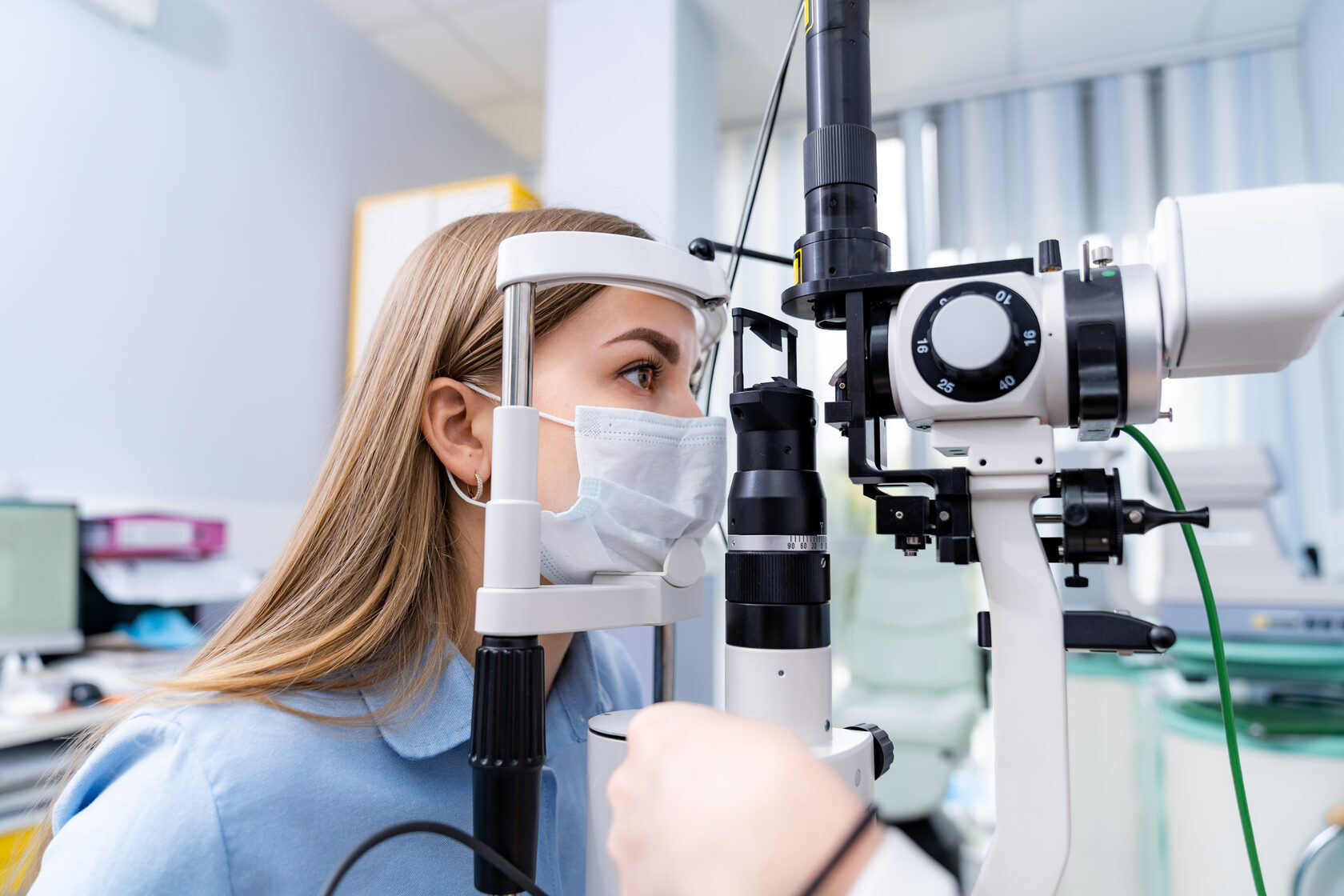
Studies of PEX patients have found,
- A decrease in the concentrations of ascorbic acid
- Increase in concentrations of malondialdehyde
- An increase in concentrations of 8-iso-prostaglandinF2a.
Both population-based and pedigree-based studies have suggested that PEX syndrome is inherited as an autosomal dominant trait with late onset and incomplete penetrance. According to studies worldwide, there is evidence showing that genetic factors may play an important role in the pathogenesis of XFS. The gene is called LOXL1. Maybe someday we will test individuals at risk for XFS/XFG for this gene.
XFS can not only lead to severe chronic open-angle glaucoma but also to acceleration of cataract formation, lens subluxation, angle-closure glaucoma, and severe complications at the time of cataract extraction, such as zonular dialysis, capsular rupture, and vitreous loss
Treatment Options:
Exfoliation Syndrome: a Cause of Glaucoma Patients with pseudo exfoliation syndrome should have annual eye examinations for early detection of glaucoma. Glaucoma in pseudo exfoliation is more resistant to medical therapy and has a poorer prognosis than primary open-angle glaucoma.
Eye drops are suggested at initial stage in order to reduce the intraocular pressure within the eye. The medications within the eye drops can include beta blockers (such as levobunolol or timolol) which slow the production of the aqueous humor. And other medications can increase its outflow, such as prostaglandin analogues (e.g. latanoprost).
Eye Surgery is a type of laser therapy known as trabeculoplasty is a treatment option in which a high-energy laser beam is pointed at the trabecular meshwork to cause it to “remodel and open” and improve the outflows of the aqueous humor. This can be done as an outpatient procedure and take less than twenty minutes. Laser trabeculoplasty is less effective in people who have inflammatory glaucoma, a type of glaucoma caused by an existing inflammation, and in young people who have developmental defects. Laser trabeculoplasty is not done for patients who have closed-angle glaucoma.
Selective eye exercises as well as eye relaxing methods can help prevent vision loss in many cases. If performed regularly, these kinds of exercises can help regulate the eye tension and thus encourage better vision and healthier eyes. Visualization and meditation exercises are highly recommended.
Glaucoma in pseudo exfoliation is more resistant to medical therapy and has a poorer prognosis than primary open-angle glaucoma.
Disclaimer
The Content is not intended to be a substitute for professional medical advice, diagnosis, or treatment. Always seek the advice of your physician or other qualified health provider with any questions you may have regarding a medical condition.
