Ayurveda is a science that takes care of your every realm – mental, physical and spiritual. What is good for one person isn’t good always good for everyone.
Ayurvedic philosophy says that we are each born with some of the characteristics of all three types, but in different proportions.
Healing in Ayurveda is carried out by first identifying your unique dosha (skin/body type). Each dosha combines in a special way the five elements of the universe (air, fire, water, earth, space).
We are “in balance” when we are healthy, happy, and radiantly beautiful, expressing the ration of Kapha, Pitta and Vata elements set in us at birth.
Vata
Vata is considered the leader of the three Ayurvedic Principles in the body. Vata governs all movement in the mind and body. It controls blood flow, elimination of wastes, breathing and the movement of thoughts across the mind. It’s very important to keep Vata in good balance. The related elements are Air and Ether
Creativity ~ Enthusiasm ~ Freedom ~ Generosity ~ Joy ~ Vitality
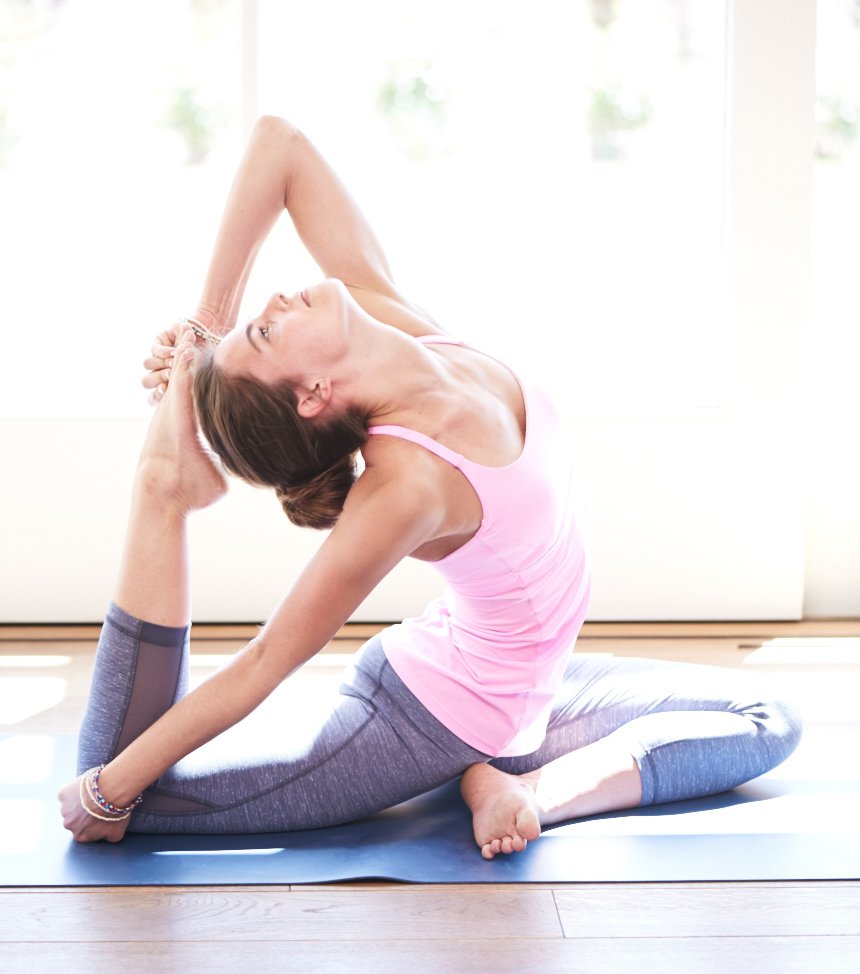
Here are some of the common characteristics of people who have a predominantly Vata constitution.
- Creativity, mental quickness
- Highly imaginative
- Quick to learn and grasp new knowledge, but also quick to forget
- Sexually easily excitable but quickly satiated
- Slenderness; lightest of the three body types
- Talk and walk quickly
- Tendency toward cold hands and feet, discomfort in cold climates
- Excitable, lively, fun personality
- Changeable moods
- Irregular daily routine
- Variable appetite and digestive efficiency
- High energy in short bursts; tendency to tire easily and to overexert
- Full of joy and enthusiasm when in balance
- Respond to stress with fear, worry, and anxiety, especially when out of balance
- Tendency to act on impulse
- Often have racing, disjointed thoughts
- Generally have dry skin and dry hair and don’t perspire much
- Typical health problems include headaches, hypertension, dry coughs, sore throats, earaches, anxiety, irregular heart rhythms, muscle spasms,lower back pain, constipation, abdominal gas, diarrhea, nervous stomach, menstrual cramps, premature ejaculation and other sexual dys-functions,arthritis. Most neurological disorders are related to Vata imbalance.
Physical Features
People of vata constitution are generally physically underdeveloped. Their chests are flat and their veins and muscle tendons are visible. The complexion is brown, the skin is cold, rough, dry and cracked.
Vata people generally are either too tall or too short, with thin frames which reveal prominent joints and bone-ends because of poor muscle development. The hair is curly and scanty, the eyelashes are thin and the eyes lusterless. The eyes may be sunken, small, dry, and active. The nails are rough and brittle. The shape of the nose is bent and turned-up.
Physiologically, the appetite and digestion are variable. Vata people loves sweet, sour and salty tastes and like hot drinks. The production of urine is scanty and the feces are dry, hard and small in quantity. They have a tendency to perspire less than other constitutional types. Their sleep may be disturbed and they will sleep less than the other types. Their hands and feet are often cold.
Psychologically, they are characterized by short memory but quick mental understanding. They will understand something immediately, but will soon forget it. They have little willpower, tend toward mental instability and possess little tolerance, confidence or boldness. Their reasoning power is weak and these people are nervous, fearful and afflicted by much anxiety.
Vata people tend to earn money quickly and also to spend it quickly. Thus, they tend to remain poor.
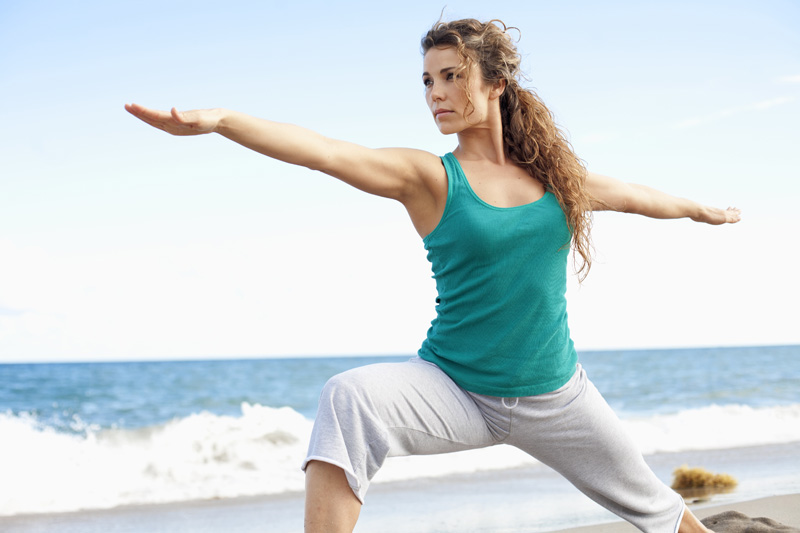
Pitta is a force created by the dynamic interplay of water and fire. These forces represent transformation.
Pitta governs digestion, absorption, assimilation,nutrition, metabolism, body temperature, skin coloration, the luster of the eyes, intelligence, and understanding. Psychologically, pitta arouses anger, hate, and jealousy. The small intestine, stomach, sweat glands, blood, fat, eyes, and skin are the seats of Pitta.
Ambition ~ Concentration ~ Confidence ~ Courage ~ Enthusiasm for knowledge ~ Happiness ~ Intelligence
Here are some of the common characteristics of people who have a predominantly Pitta body type.
- Medium physique, strong, well-built
- Sharp mind, good concentration powers
- Orderly, focused
- Assertive, self-confident, and entrepreneurial at their best; aggressive, demanding, pushy when out of balance
- Competitive, enjoy challenges
- Passionate and romantic; sexually have more vigor and endurance than Vatas, but less than Kaphas
- Strong digestion, strong appetite; get irritated if they have to miss or wait for a meal
- Like to be in command
- When under stress, Pittas become irritated and angry
- Skin fair or reddish, often with freckles; sunburns easily
- Hair usually fine and straight, tending toward blond or red, typically turns gray early; tendency toward baldness or thinning hair
- Uncomfortable in sun or hot weather; heat makes them very tired
- Perspire a lot
- Others may find them stubborn, pushy, opinionated
- Good public speakers; also capable of sharp, sarcastic, cutting speech
- Generally good management and leadership ability, but can become authoritarian
- Like to spend money, surround themselves with beautiful objects
- Subject to temper tantrums, impatience, and anger
- Typical physical problems include rashes or inflammations of the skin,acne, boils, skin cancer, ulcers, heartburn, acid stomach, hot sensations in the stomach or intestines, insomnia, bloodshot or burning eyes and othervision problems, anemia, jaundice.
Physical Features

These people are of medium height, are slender and body frame may be delicate. Their chests are not as flat as those of vata people and they show a medium prominence of veins and muscle tendons. The bones are not as prominent as in the vata individual. Muscle development is moderate.
The pitta complexion may be coppery, yellowish, reddish or fair. The skin is soft, warm and less wrinkled than vata skin. The hair is thin, silky, red or brownish and there is a tendency toward premature graying of hair and hair loss. The eyes may be gray, green or cooper-brown and sharp: the eyeballs will be of medium prominence. The nails are soft. The shape of the nose is sharp and the tip tends to be reddish.
Physiologically, these people have a strong metabolism, good digestion and resulting strong appetites. The person of pitta constitution usually takes large quantities of food and liquid. Pitta types have a natural craving for sweet, bitter and astringent tastes and enjoy cold drinks. Their sleep is of medium duration but uninterrupted. They produce a large volume of urine and the feces are yellowish, liquid, soft and plentiful. There is a tendency toward excessive perspiring. The body temperature may run slightly high and hands and feet will tend to be warm. Pitta people do not tolerate sunlight, heat or hard work well.
Psychologically, pitta people have a good power of comprehension; they are very intelligent and sharp and tend to be good orators. They have emotional tendencies toward hate, anger and jealousy.
They are ambitious people who generally like to be leaders. Pitta people appreciate material prosperity and they tend to be moderately well-off financially. They enjoy exhibiting their wealth and luxurious possession
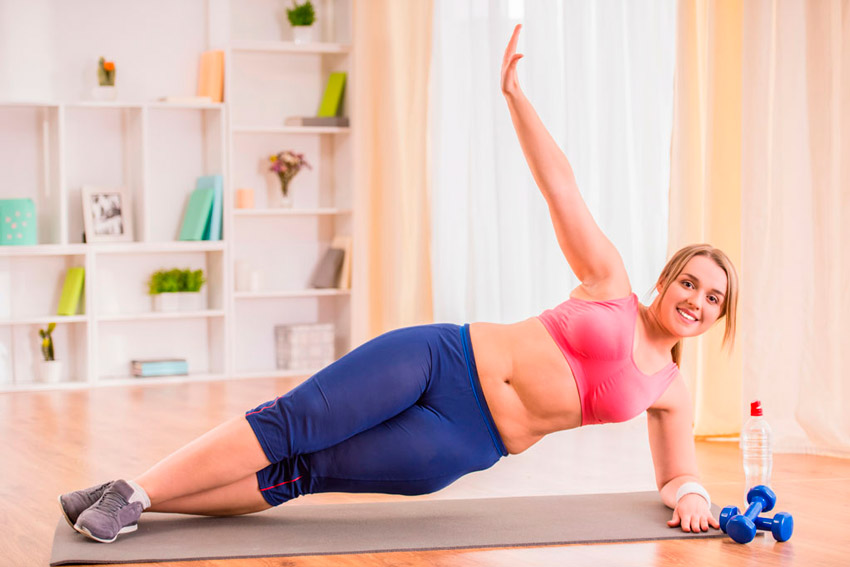
Kapha is the conceptual equilibrium of water and earth. Kapha is structure and lubrication. One can visualize the Kapha force as the stirring force to keep the water and earth from separating. This dosha maintains body resistance. Water is the main constituent of kapha, and this bodily water is responsible physiologically for biological strength and natural tissue resistance in the body. Kapha lubricates the joints; provides moisture to the skin; helps to heal wounds; fills the spaces in the body; gives biological strength, vigor and stability; supports memory retention; gives energy to the heart and lungs, and maintains immunity. Kapha is present in the chest, throat, head, sinuses, nose, mouth, stomach, joints, cytoplasm, plasma, and in the liquid secretions of the body such as mucus. Psychologically, kapha is responsible for the emotions of attachment, greed, and long-standing envy. It is also expressed in tendencies toward calmness, forgiveness, and love. The chest is the seat of kapha.
Caring ~ Centeredness ~ Compassion ~ Contentment ~ Faith ~ Fulfillment ~ Groundedness ~ Patience ~ Sense of being nourished ~ Stability ~ Support ~ Tenderness
Here are some of the common characteristics of people who have a predominantly Kapha constitution.
- Easygoing, relaxed, slow-paced
- Affectionate and loving
- Forgiving, compassionate, nonjudgmental nature Stable and reliable; faithful
- Physically strong and with a sturdy, heavier build
- Have the most energy of all constitutions, but it is steady and enduring, not explosive
- Slow moving and graceful
- Slow speech, reflecting a deliberate thought process
- Slower to learn, but never forgets; outstanding long-term memory
- Soft hair and skin; tendency to have large “soft” eyes and a low, soft voice
- Tend toward being overweight; may also suffer from sluggish digestion
- Prone to heavy, oppressive depressions
- More self-sufficient, need less outward stimulation than do the other types A mild, gentle, and essentially undemanding approach to life
- Sexually Kaphas are the slowest to be aroused, but they also have the most endurance
- Excellent health, strong resistance to disease
- Slow to anger; strive to maintain harmony and peace in their surroundings
- Not easily upset and can be a point of stability for others
- Tend to be possessive and hold on to things, people, money; good savers. Don’t like cold, damp weather
- Physical problems include colds and congestion, sinus headaches, respiratory problems including asthma and wheezing, hay fever, allergies, and atherosclerosis (hardening of the arteries).

People of kapha constitution have well-developed bodies. There is, however, a strong tendency for these individuals to carry excess weight. Their chests are expanded and broad. The veins and tendons of kapha people are not obvious because of their thick skin and their muscle development is good. The bones are not prominent.
Their complexions are fair and bright. The skin is soft, lustrous and oily, it is also cold and pale. The hair is thick, dark, soft and wavy. The eyes are dense and black or blue: the white of the eye is generally very white, large and attractive.
Physiologically, kapha people have regular appetites. Due to slow digestion, they tend to consume less food. They crave pungent, bitter and astringent foods. Stools are soft and may be pale in color: evacuation is slow. Their perspiration is moderate. Sleep is sound and prolonged. There is a strong vital capacity evidenced by good stamina, and kapha people are generally healthy, happy and peaceful.
Psychologically, they tend to be tolerant, calm, forgiving and loving: however, they also exhibit traits of greed, attachment, envy and possessiveness. Their comprehension is slow but definite: once they understand something, that knowledge is retained.
Kapha people tend to be wealthy. They earn money and are good at holding on to it.
Do’s and Don’t
|
REMEDIES |
VATA | PITTA | KAPHA |
| Food |
Warm, well cooked food. Sweet, sour and salty tastes |
Warm to cool rather than steaming hot. Sweet, bitter and astringent tastes. |
Decreased quantities of warm food. Pungent, bitter and astringent tastes. To be taken earlier than 10 am and not later than 6 pm. Healthy Kapha types should observe fast one day per week. |
|
Oil Massage |
With calming and warming oils such as Mahanarayan Oil. |
With cooling oils such as chandanbala Laxadi oil |
With stimulating oils such as punarnavadi oil and srigopal oil. |
|
Exercise |
Moderate exercise such as yoga, walking and light weights |
Moderate exercise which may include jogging, swimming, Yoga, cycling and weight lifting |
Regular and vigorous. |
|
Herbal Dietary supplements |
Ashwagandha, shatavari, haritaki, Guggul, Trikatu, Vata tea, Calming Tea. |
Haritaki, Bhumiamla, Chyavanprash, surakta, sitopladi churan, pitta Tea. |
Guggul, sitopladi churan, trikatu, chyavanprash, Kapha Tea. |
Factors that increase vata
Exposure to cold, no routine in your life, eating to much dry, frozen or leftover food, or food with bitter, pungent or astringents taste. Fasting, too much traveling, too much or inappropriate exercise, suppressing natural urges, abdominal surgery.
Not oiling the skin.
Factors that increase pitta

Exposure to heat, eating too much red meat, salt, spicy or sour foods. Indigestion and irregularity of meals. Exercising at midday, Drugs especially antibiotics. Too much intellectual work/thinking. Alcohol, Fatigue. Anger, Hate fear, emotion.
Factors that increase kapha
Exposure to cold, eating too much sweet, meat, fats, cheese, milk, ice cream, yogurt, fried food, excessive use of salt. Excessive intake of water, taking naps after meals. Doing nothing. Sedative and tranquilizers. Doubts, greed, and possessiveness. Lack of compassion.
Disclaimer
The Content is not intended to be a substitute for professional medical advice, diagnosis, or treatment. Always seek the advice of your physician or other qualified health provider with any questions you may have regarding a medical condition.