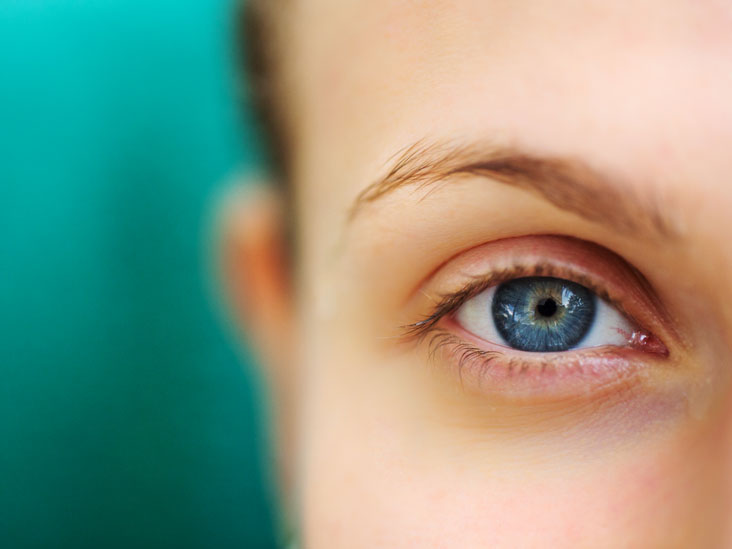
Abnormal dropping of one or both upper eyelids. Drooping of the upper eyelid due to weakness of the muscle that raise it is called ptosis.
The condition may be the result of a problem with the muscle or nerve that controls the eyelid. The sagging lid may partly or totally close the eye. One or both eye may be affected.
 CAUSES
In most cases, it is caused by either a weakness of the levator muscle, or a problem with the nerve that sends messages to the muscle.
Ptosis may occur for several reasons such as:
- Disease – If ptosis starts suddenly, it may be due to the brain tumour or a defective blood vessel in the brain. If you develop ptosis, see your doctor to rule out a serious underlying disorder. Diabetes can also lead to muscle weakness (muscular dystrophy).
- Injury
- Birth defect – Ptosis is occasionally present from birth. If a baby’s eyelid droops and it covers the pupil, his or her vision may not develop normally and early treatment in vital.
- Previous eye surgery
- Age –
Ptosis in adults can occur as a part of the aging process, or it may be a symptom of myasthenia gravis, which cause progressive muscle weakness. - A mechanical defect caused by anything that increases the weight of the lid, such as a cyst or swelling
SIGNS AND SYMPTOMS
The causes of ptosis are quite diverse.
The symptoms are dependent on the underlying problem and may include:
- Drooping lid
- Irritation
- Difficulty closing the eye completely
- Eye fatigue from straining to keep eye(s) open
- Children may tilt head backward in order to lift the lid
- Crossed or misaligned eye
- Double vision
Diagnosis
If When examining a patient with a droopy lid, one of the first concerns is to determine the underlying cause.
The doctor will measure the height of the eyelid, strength of the eyelid muscles, and evaluate eye movements and alignment Children may require additional vision testing for amblyopia. Treatment
In most cases, surgery is performed to strengthen or tighten the levator muscle and lift the eyelid.
If the levator muscle is especially weak, the lid and eye brow may be lifted.
Ptosis in babies can be corrected by surgically tightening the eyelid muscle. If treatment is carried out early, the child’s vision should develop normally.
In adults, surgery for ptosis should be carried out only after any possible significant underlying disorders have been ruled out. Surgery is very effective for ptosis caused by the aging process. For patients with minimal ptosis (2 mm or less) there are three viable options: (1) Müller’s muscle conjunctival resection, (2) Fasanella-Servat, or (3) levator aponeurotic surgery.
Disclaimer
The Content is not intended to be a substitute for professional medical advice, diagnosis, or treatment. Always seek the advice of your physician or other qualified health provider with any questions you may have regarding a medical condition.
