Many times, we don’t realize that some of the changes that accompany winter pose hazards to our eyes. Most people think that it is only necessary to protect their eyes from the sun during the summer. But the Sun’s influence does not diminish during the rest of the year so the eyes need to be protected during the winter too. Exposure to UV rays during winter can temporarily harm the eyes as well as increase the risk of developing sunlight-related eye disorders, including cataracts. The sun is not winter’s only eye hazard. Its cool winds and drier air can irritate the eyes while outdoors.
The American Academy of Ophthalmology — the Eye M.D. Association — offers the following tips:
- Indoor heat used during winter months tends to rid the air of moisture which can dry out and irritate eyes. Use a humidifier in the bedroom during months with low humidity. This helps moisten dry eyes, especially when exposed to forced air heating.
- Wear sunglasses that block 99 to 100 percent of UV light, especially when the ground is covered in snow. People forget the sun is just as bright when reflected by the snow as it is when glinting off the ocean and beach, leading to sunburned eyes. High-quality, UV-blocking sunglasses can prevent this and reduce exposure to the wind and cold. Later in life cataract formation and retina problems may occur caused by the UV light. Overexposure to the winter sun’s powerful ultraviolet (UV) rays without proper eye protection can temporarily harm the eyes or even cause photokeratitis, a condition comparable to a sunburn except sensitive tissues of the eyeball are the ones receiving the burn. Although photokeratitis may heal with time, the best way to preserve your vision is to avoid excess UV ray exposure.
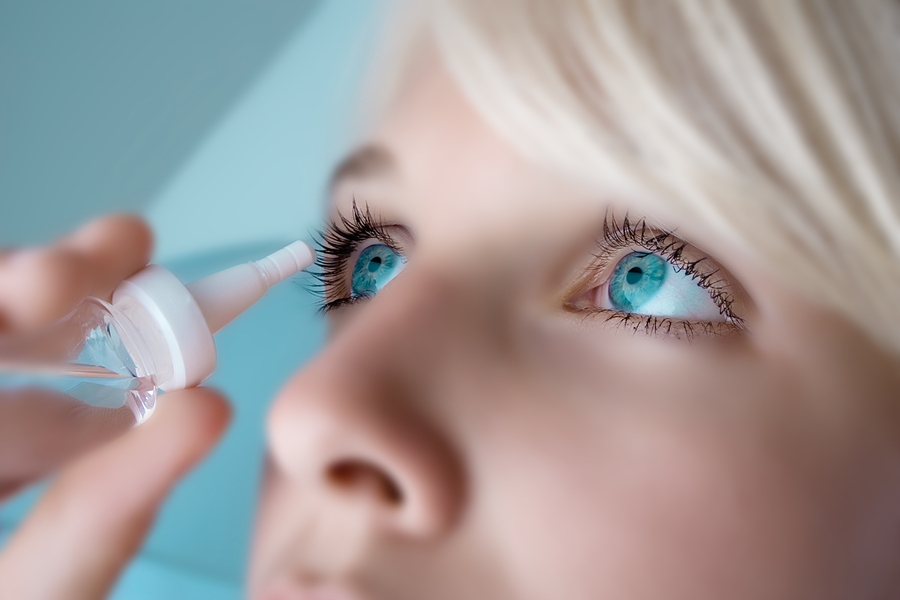
- Contact lens wearers should limit their outdoor exposure and use artificial tears frequently. Soft contact lenses, in particular, are like little sponges. They need lots of moisture. If they start to dry out, they can change shape and stick to the eye, becoming painful and cloudy. Drinking alcohol can also enhance this problem.
- A number of people, especially skiers, snowmobilers, and other snow lovers look forward to winter each year. For them, it means swishing down the slopes or speeding through the snow. What winter outdoor enthusiasts don’t realize is that they spend extended periods of time in intense reflected sunlight which can temporarily harm the eye. A pair of ski goggles with polycarbonate lenses, properly fitted, can block out harmful UV light. The goggles will also protect the eyes from hazards, such as tree branches and flying ski pole tips.
- Bundle up by wearing a brimmed hat, wrap around sunglasses and a hooded jacket or coat. This will help block the swirling, cold wind from the eyes and prevent the tear film covering the eyes from evaporating.
- Use a good eye cream to protect the delicate eye area especially during the winter months… day and night.
These simple adjustments will help protect your eyes all winter long, but we must remember that the best way to preserve our vision is to take good care of our eyes no matter what season it is or what we are doing.
Related Links
Disclaimer
The Content is not intended to be a substitute for professional medical advice, diagnosis, or treatment. Always seek the advice of your physician or other qualified health provider with any questions you may have regarding a medical condition.