
Hair loss in women can be transient (synonyms = temporary/telogen effluvium/non-genetic) or permanent (genetic/androgenetic alopecia).
Alopecia, or hair loss, can occur in any body area but is particularly noticeable when it affects the scalp.
Hair loss can be temporary or permanent. Alopecia is not always associated with ill health, but it may cause embarrassment.
Causes:
Alopecia in women may be attributed to three factors: aging, hormones, and genetics.
Alopecia in WomenPatchy hair loss is usually due to alopecia areata, an autoimmune skin disease, which causes bald patches to appear on the scalp. Areata is Latin for “round” or “circumscribed”, which means that people suddenly see bald spots here or there, or little, tiny short hairs that are broken off.
In alopecia areata, the affected hair follicles are mistakenly attacked by a person’s own immune system (white blood cells), resulting in the arrest of the hair growth stage. Alopecia areata usually starts with one or more small, round, smooth bald patches on the scalp and can progress to total scalp hair loss (alopecia totalis) or complete body hair loss (alopecia universalis).
If the hair loss has any unusual features-suddenly a lot of hair is coming out, if hair is coming out in a bizarre or unusual pattern, even if it’s very severe, premature general thinning of the scalp, see a dermatologist.
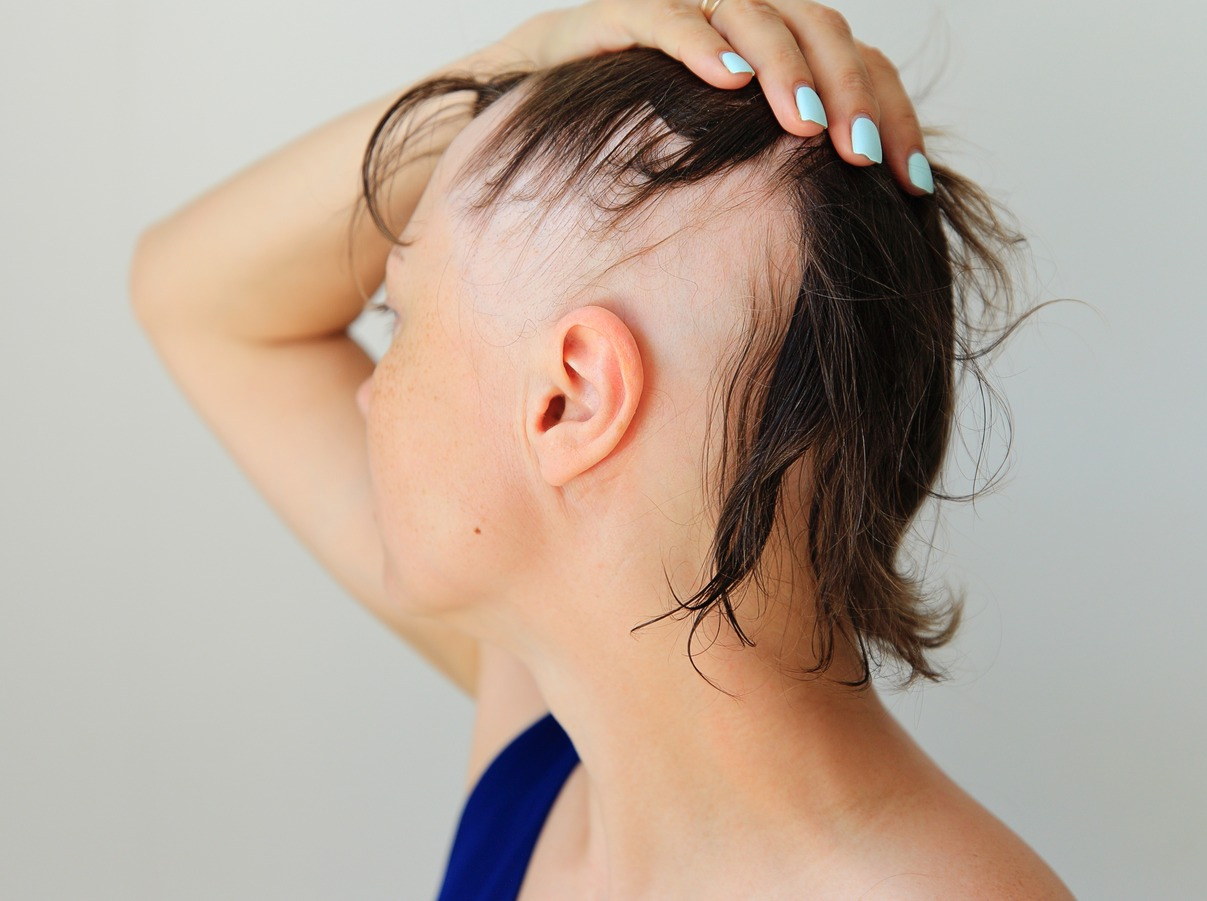
Female Pattern Baldness:
Generalized hair loss is normal in elderly women as a result of menopause. After the hormonal changes of menopause, many women find that the hair on the head is thinner, while facial hair is coarser. In women, usually the degree of hair loss is not as extensive as it is in the male population. The most common cause of alopecia in women is oversensitivity to the hormone testosterone, producing a characteristic pattern of hair loss. Women with older female family members who endured thinning of the hair are more likely themselves to be subjected to androgenetic alopecia. In the Jan. 30 Science magazine, researchers revealed that the gene harbours a mutation in family members afflicted with alopecia universalis.
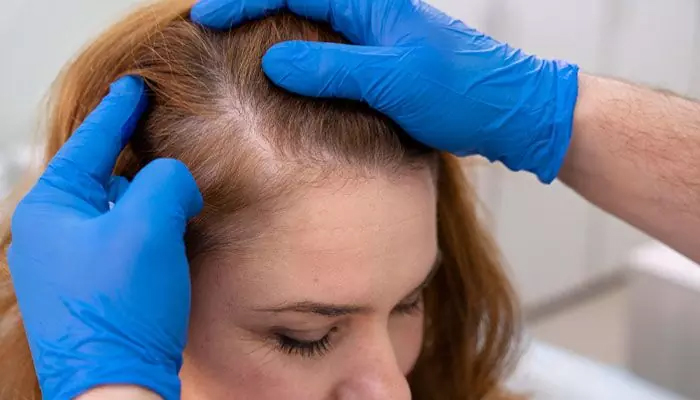
Treatment Options:
Women seeking treatment options for alopecia should stick to treatment options approved by the established medical community. Consult a dermatologist who will probably be able to diagnoses alopecia areata by the appearance of your scalp.
- One medication, which has been approved, by the United States Food and Drug Administration (FDA) to treat female pattern baldness is Minoxidil, used topically on the scalp. Minoxidil (Rogaine for women) has been proven to show minimal improvements in 50 percent of women and moderate improvements in 13 percent. Minoxidil requires a twice a day application of either the 2-percent or 5 percent solutions. Any gain achieved with Minoxidil will be lost if the patient stops using the product.
- Corticosteroids: Injected into the hairless patches may be effective in promoting re-growth. If your scalp has patchy scarring, you may need a skin biopsy to diagnose the underlying cause. Scarred areas may be treated with topical corticosteroids or antifungal drugs, but if the damage is severe and has affected the hair follicles, it is unlikely that new hair will grow.
- Hair weaving, hairpieces, or change of hairstyle may disguise hair loss and cosmetically improve your appearance. This is often the least expensive and safest method of treating female pattern baldness.
Suturing of hairpieces to the scalp is not recommended as it can result in scars, infections, and abscess of the scalp. The FDA because of the high rate of infection has banned the use of hair implants made of artificial fibres.
At all costs, you must avoid hair loss treatment methods, such as shampoos or pills that promise miracle cures for hair loss.
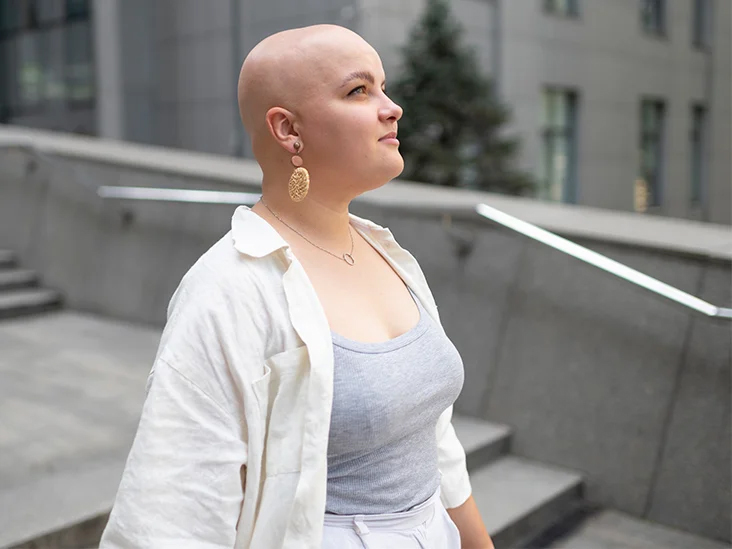
Stem Cell Treatment:
According to a research published in Sept 2 (2011) issue of the journal Cell, molecular signals send from stem cells within the skin’s fatty layer can spur hair growth( in mice). “If we can get these fat cells in the skin to talk to the dormant stem cells at the base of hair follicles, we might be able to get hair to grow again,” said Valerie Horsley, assistant professor of molecular, cellular and developmental biology and senior author of the paper ScienceDaily.
Disclaimer
The Content is not intended to be a substitute for professional medical advice, diagnosis, or treatment. Always seek the advice of your physician or other qualified health provider with any questions you may have regarding a medical condition.
