Blisters form when the skin rubs against another surface, causing friction. First, a tear occurs within the upper layers of the skin (the epidermis), forming a space between the layers while leaving the surface intact. Then fluid seeps into the space.
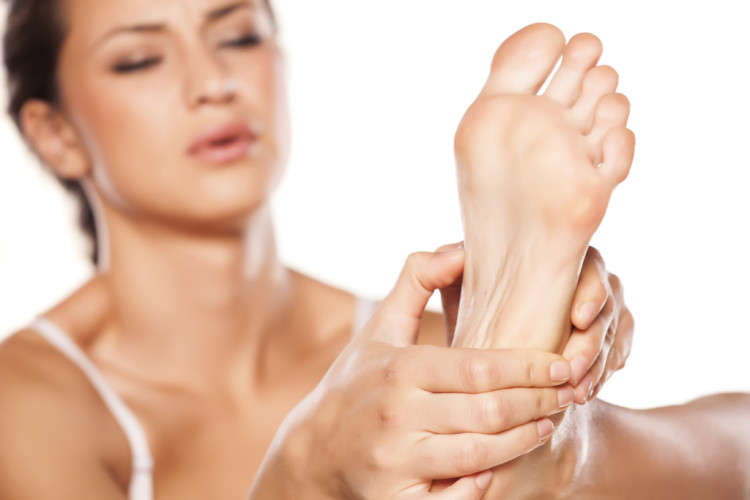
A blister is an area of raised skin with a watery liquid inside. Blisters form on hands and feet from rubbing and pressure. |
A Blister can be either, a Friction Blister or a Blood Blister.
Friction Blister: A blister occurs when the outer (epidermis) layer of the skin separates from the fiber layer (dermis). The skin will regrow from underneath. The loose skin is dead. Blisters can occur from heat, frostbite, chemical injury, or friction. Unless infection occurs, blisters usually heal quickly.
Blood Blister: A blood blister usually develops following a smashing or pinching injury. There’s a small skin injury that pumps blood between the skin layers, raising up a blister of blood. If there are no other signs of a severe injury, blood blisters can usually be treated at home
Causes:
The hands and feet often rub against shoes, skates, rackets, or other equipment. Blister formation usually requires thick and rather immobile epidermis, as is found in these areas. In addition, blisters form more easily on moist skin than on dry or soaked skin, and warm conditions assist blister formation.
- Form as a result of heat, moisture and friction.
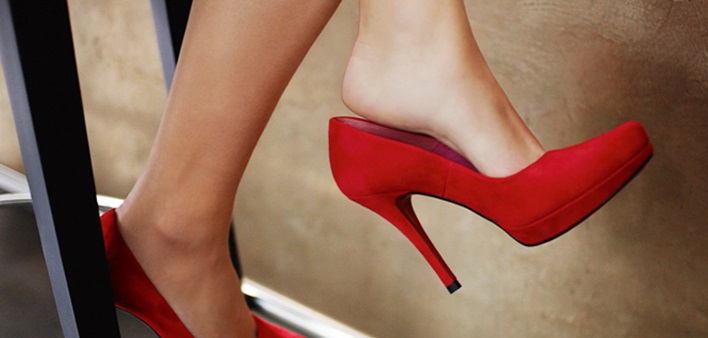
- Friction forces caused by inappropriate footwear.
- Form as a result of fungal infections of the skin, allergic reactions or burns.
- Excessive foot perspiration.
Treatment:
Specific treatment for blister depend on its size and whether or not it is intact. You can treat the vast majority of blisters yourself and need to call a doctor only if blisters become infected, recur frequently, form in unusual locations, or are very severe. Signs of infection include pus draining from the blister, very red or warm skin around the blister, and red streaks leading away from the blister.
- First clean the blister with rubbing alcohol or antibiotic soap and water. Then heat a straight pin or safety pin over a flame until the pin glows red, and allow it to cool before puncturing a small hole at the edge of the blister.
- Drain the fluid with gentle pressure, then apply an antibiotic ointment such as bacitracin with polymyxin B (double antibiotic ointment) or bacitracin alone. Avoid ointments that contain neomycin because they are more likely to cause an allergic reaction.
- Finally, cover the blister with a bandage. Change the dressing daily–more frequently if it becomes wet, soiled, or loose.
Blisters with larger tears should be “unroofed” carefully with fine scissors, and the base should be cleansed thoroughly with soap and water or an antibacterial cleanser. Apply antibiotic ointment and bandages as described above.
Additional padding may be necessary for exercise or sports. Ring-shaped pads made of felt will protect small blisters. Larger blisters may require dressings.
Prevention:
- Keep your skin as dry as possible: Moist (slightly wet) skin is the true blister culprit, because surface tension created by the thin coating of water holds skin cells together, impedes their movement, and thereby hikes the frictional effect. Thus, one key to blister prevention is to keep your skin as dry as possible. If skin wetness is unavoidable, it’s better to have your skin very wet – rather than merely moist.
- Wearing insoles: Commercially available insoles which contain closed-cell neoprene are supposed to reduce friction on the undersurface of the foot, and research suggests that they in fact may limit the risk of blistering. In one study, athletes wearing a Spenco insole and a single sock in one shoe and two socks without the insole in the other shoe had a 50-times greater incidence of blisters in the foot without the Spenco insole.
- Try different combinations and weights of socks. Consider double-layer socks that wick moisture and offer some blister protection. Avoid cotton socks as they keep the sweat close to the skin where it softens the skin and leaves it prone to blistering. Wear wicking socks of CoolMax or polypropylene.
- To avoid getting blisters on your hands, wear the right kind of gloves or protective gear. For instance, you might use work gloves during yard work or palm protectors called “grips” for gymnastics.
- Choosing the right Footwear is also important.Too-tight shoes increase the force exerted by the shoe on the foot, enhancing blister formation, while too-loose shoes increase foot movement and therefore the frequency of force application, also bolstering blisters. Even if you love a certain pair of shoes in your closet, don’t wear them all the time. Mix it up by wearing a variety of shoes. That way, your feet will get a break and won’t always be rubbed in the same places.
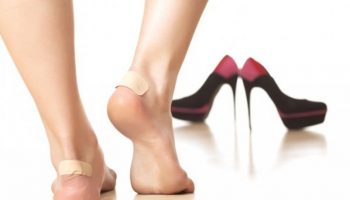
- Stop whenever you feel a hot spot developing and cover the area with moleskin, sport tape, or a Compeed Band-Aid.
|
Try to shop for shoes in the afternoon – that’s when your feet are their largest. Why? Because they get a little swollen from you walking on them all day! And be sure to try on both shoes and walk around a little bit before buying them. Even if they look really cool, don’t get them if they don’t feel right. Often, a different size or width can make a big difference. |
Disclaimer
The Content is not intended to be a substitute for professional medical advice, diagnosis, or treatment. Always seek the advice of your physician or other qualified health provider with any questions you may have regarding a medical condition.