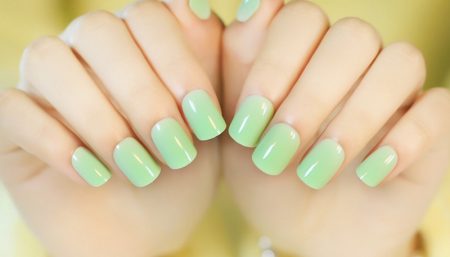
Nail enhancement is a broad term that encompasses several methods of augmenting your natural nail. Actually, in some instances, enhancements have less to do with enhancement and more to do with making eye-catching additions, hence the commonly used term “fake nails”. Women Fitness offers you information about the following nail enhancements:
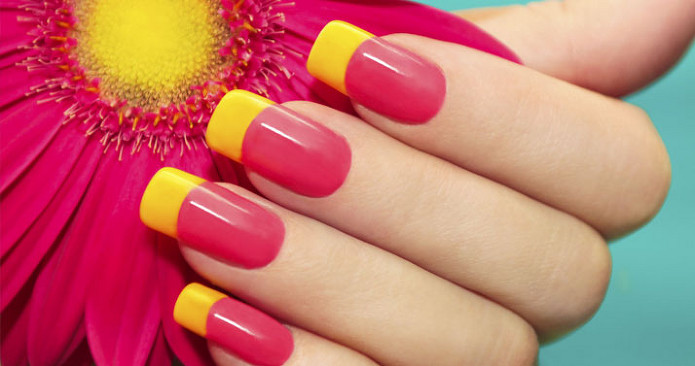
Note: If you get nail enhancements, you’ll be returning to the salon every 2 to 6 weeks- depending on your nail’s growth and how you take care of them- for a “touch-up”. This is for getting your nails’ newly grown area enhanced so that it matches the rest of the nail.
Wraps
Nail wraps use sheets of fiberglass, linen, or silk to add a strong, protective layer to the nail, which in turn helps nails grow longer without breaking. To create nail wraps, your nail technician takes small pieces of fabric mesh and sticks them to your nails with an adhesive typically one of those nail glues that reminds everyone of super glue. After buffing the enhancement a bit to create a smooth surface, your nail technician applies a sealant to help keep out moisture and discourage the wrap from lifting.
Acrylic nails
To create acrylic nails, a nail technician mixes together two ingredients called powdered polymer and liquid monomer. When combined, the powder and liquid react to form a plastic-like paste. This paste is smoothed onto the nail, where it hardens, at room temperature. Acrylic nails are a good choice for anyone who wants long nails that are virtually indestructible.
If you are sensitive, you should avoid acrylic or porcelain nails. The monomer used in acrylic and porcelain nails is an irritant that can cause allergic reactions in people with sensitive skin.
Porcelain nails
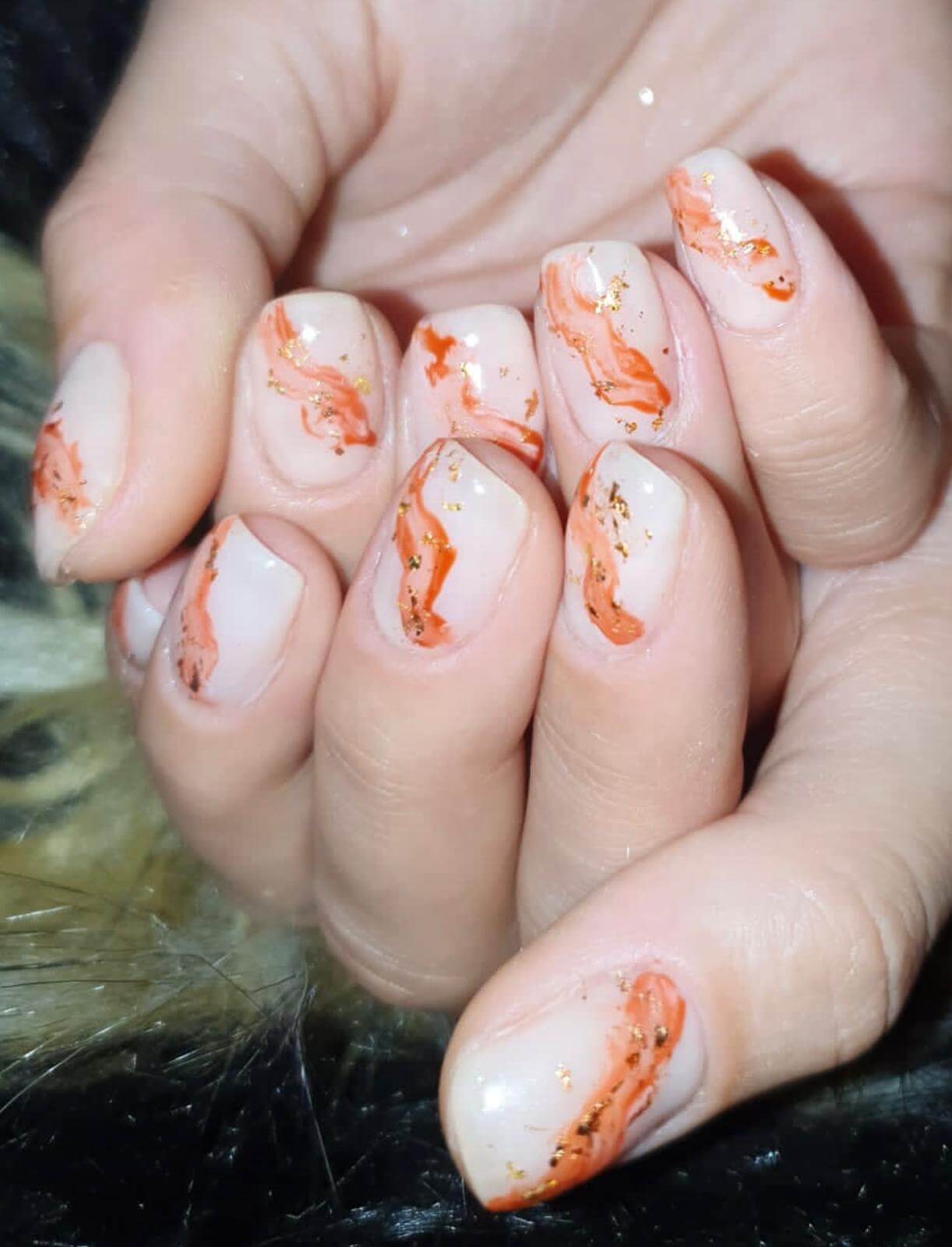
Porcelain nails are similar to acrylic nails, except that they use a finely ground, glasslike material in the powder. They are applied just like acrylic nails and are good for creating a hearty, long nail. The finish is a bit more natural-looking than acrylic nails, making them a better choice for those of you who like to wear pale, sheer nail colors.
Gel nails
Gel nails, or gel systems as they are also called, are a newer type of nail enhancement that are created by applying layers of resin to the nail; these layers combine and harden to form a solid nail. Depending on the formula a particular nail technician uses, nails are hardened with an ultraviolet light or under ordinary room lighting. Gel nails are among the most natural-looking of the nail enhancements – something to keep in mind if you want nails that look like your own, only longer and stronger.
Using nail tips
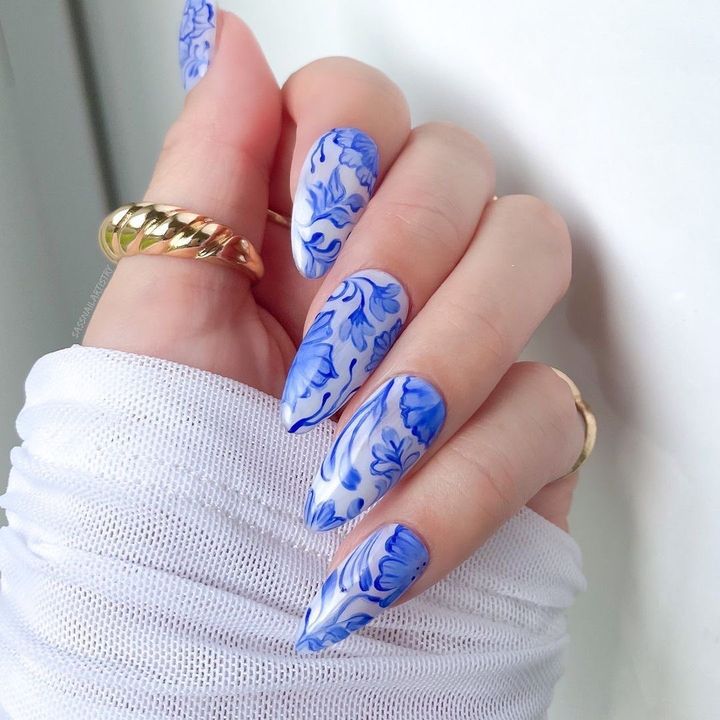
Nail tips are one of the oldest forms of nail enhancements. Preformed plastic nail shapes are applied to the natural nail plate with nail glue. Sometimes they cover the nail from the cuticle to the end, but more frequently they are applied midway down the nail plate. To get a smoother finish, some nail technicians may apply acrylics, gel, or wraps over either the natural “untipped” nail or both the natural nail and the newly affixed nail tip. The entire shape is then sanded and filed into the length and shape you want.
You can buy nail enhancement kits to do yourself. However, because of the chemicals involved in their application, the best option is to visit a nail technician.
Nail art
Perhaps you’re someone who loves to express herself through her appearance. For you, a shockingly bright, colored nail isn’t enough. You want to set yourself apart from the manicured crowd. From the sound of it, you are a nail art kind of girl. Nail art is not so much a way to augment nails’ length as it is a way to enhance their appearance.
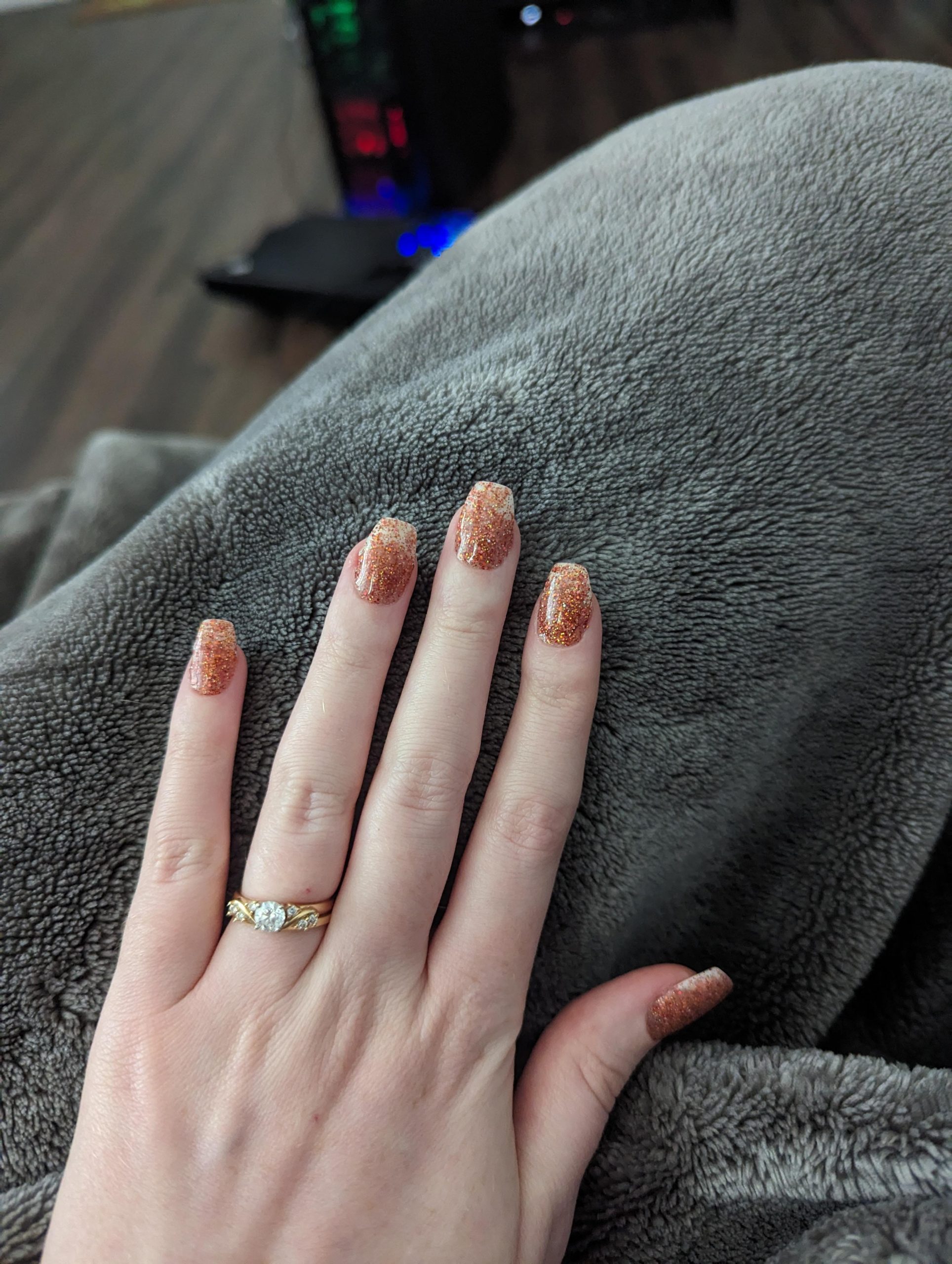
There are several ways you can dress your nails up. Transfers much like the transfers you got from cereal boxes, and stuck on windows or your own body as a child- are an easy way to add decoration to your nails. Most nail salons have a selection of seasonal designs, such as snowflakes, as well as standard designs, such as roses. These are embedded in slightly sticky nail varnish. When nail varnish is dry, a layer of top coat keeps transfers secure.
Decorative nails
Nail jewelry can be expensive 14-karat gold, but it is usually made of cheaper silver or gold-colored metals. Most nail jewelry comes in simple designs, such as initials, stars, and hearts; it is applied just like nail transfers. For those of you with very long nails, there is another type of nail jewelry: earrings for nails. If you’re interested, your nail technician will actually pierce one of your nails and install a stud or a small hoop. Nail detailing, sometimes simply called nail art, uses extra-fine paintbrushes and several colors of nail varnish, which your nail technician uses to paint scenes onto the nail. The finished product depends greatly on your nail technician’s skill as a fine artist.
Many dermatologists feel it is important to take several 2-week to 1-month “rests” a year from nail enhancements. As, nail enhancements trap the natural nail underneath, causing the nail plate to atrophy. Rests allow the weakened natural nail to grow stronger. |
Remember:
- Having the right tools makes home nail care easy.
- It’s not difficult to give yourself a manicure or a pedicure.
- Many nail-product ingredients are strong allergens. Always read the labels!
- When visiting a salon, pay attention to its hygiene practices.
- If you can’t grow your own nails, you could try nail enhancements.
- For the adventurous, nail art and jewelry are an option.
Disclaimer
The Content is not intended to be a substitute for professional medical advice, diagnosis, or treatment. Always seek the advice of your physician or other qualified health provider with any questions you may have regarding a medical condition.