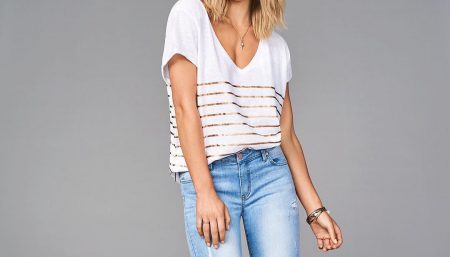
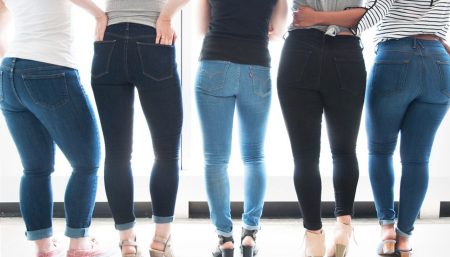
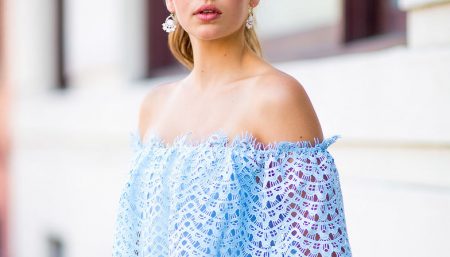
No matter what size, age, height, or weight you are, you can look younger, thinner, and better than ever with these transformation techniques for makeovers.

Before choosing your clothing you have to know what you are going to do! If you think you will head down to Fiordland National Park in the winter with a cotton t-shirt a pair of Jeans and a swannie your chances of survival are very slim. Being prepared is everything!
Here are our tried-and-true secrets for camouflage dressing that will work for you.
After utilizing these tips, you will be amazed by your own transformation that not all those gorgeous creatures you see in magazines, TV, and movies are anorexic, attached to their treadmills, or creatures from another planet.
They are just real people, who know how to accentuate the positive and downplay the negative.
Tips for figure flattery
- Match your hose (or slacks), to your shoes. Legs look longer and thinner when hose is toned to skirts and shoes.
- Pleated trousers conceal tummy bulges, so if this is your problem stick to those pleats.
- An A-line skirt emphasizes body length while hiding thighs. The longer the vertical “line” of the total look the more slimming.
- Use a shirt like a jacket or a tunic.
Choose a generously cut shirt in a heavy or lined fabric.
It’s an elegant look over slim pants, flowing gently over every possible skin. - Dress in one color.

- Wearing one color from shoulder to shoe streamlines the body.
It’s called monochromatic dressing.
If you don’t want to limit yourself to just one color, choose colors that are closely matched. - If you really want to look thin stick to darker colors. Darker, duller, cooler colors recede and are more slimming than lighter, brighter, warmer colors which advance. You may also wear lighter and/or brighter (cool) hues, but use them to create focal points as opposed to wearing them from head to toe. Your focal points will generally be high and/or on the inside: above the fullest line of bust and/or down the entire length of the garment usually in the center-front position.
- If you have a chubby neck, choose v-neck lines. They create the illusion of a longer, leaner body.
- Solid fabrics are more slimming than patterned. They are more so by degree. The more they look like a solid, the less they enlarge; the splashier they are the less they slim. A splashy print with a black background worn with solid black will usually create as much impact as any personality might crave.
- To bring attention to the face and away from the body, wear a choker and matching earrings.
- A long jacket is a “pounds parer.”
It can make any outfit look elegant while hiding figure flaws. - Choose a low-heeled shoe that is cut low on the instep.
Stick to a thinner, more graceful heel. - A loosely fitted vest can hide a thick waist.
- Wear belts in a low slung manner or gently held around the waist.
- Always wear control top pantyhose with Lycra.
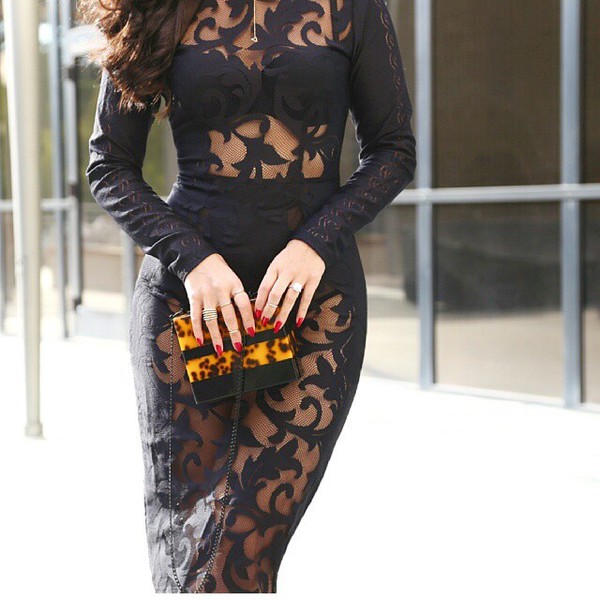
- A body suit can eliminate bulge. It also gets rid of unsightly panty lines and fabric pulling.
- Choose a well-fitted jacket. A look that is too loose or boxy tends to add pounds.
- Simple styling is most slimming. Cuffs, pockets, and buttons can add width to the body. For the most part, squares and circles are not particularly slimming. Vertical rectangles are probably the most useful; they would be seen in a straight shift for example
- Wear prints only at the slimmest part of your body. Stay with smaller rather than big flowery prints.
- Look for fabrics that drape the body. This would include light wool, cotton, and rayon.
- Don’t make the mistake of going for all long pieces. Go for contrasting proportions. Mix a longer jacket with a shorter skirt, shorter jacket with pants, etc. Also, if you use a center panel in a dress to create verticals, make sure the panel is less than one third of the width of the garment. More will broaden. (If the panel is a different color; it is most effective if it is the lightest or the brightest.)
- Try to observe these rules at work in the clothes you wear, and in the clothes others wear. There’s no better way to get the benefit of these principles than to study them and master them and experiment in your own wardrobe.
Disclaimer
The Content is not intended to be a substitute for professional medical advice, diagnosis, or treatment. Always seek the advice of your physician or other qualified health provider with any questions you may have regarding a medical condition.