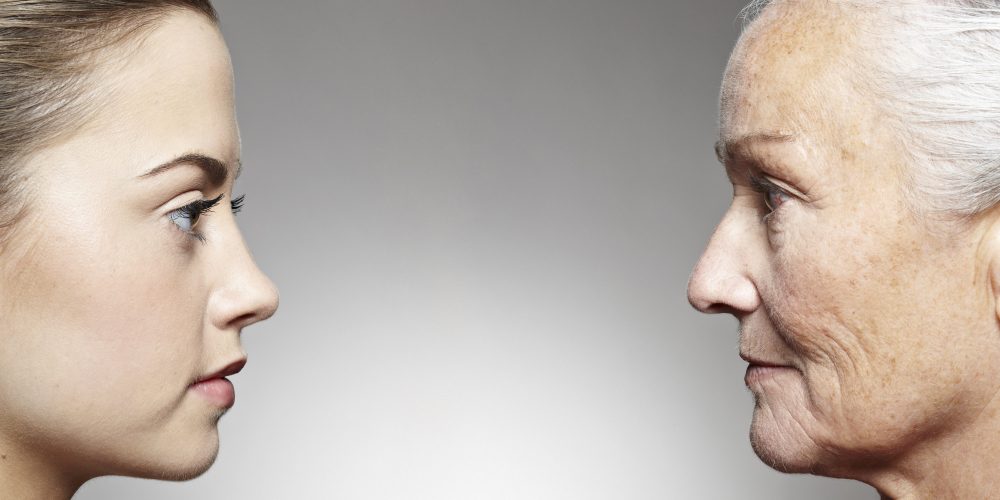
Growing older does not have to be riddled with physical suffering and emotional alienation. It can usually mean growing better. Scientists unraveling ageing are gaining new insights researching with yeast, fruit flies, mice and monkeys. Among the many theories, the most accepted are :
- Error accumulation theory: Biochemical processes in the body break down over time with accumulation of ‘ free radicals or diminution of growth hormones. Normal repair mechanisms in the cell lose ability to mend all breakdowns, leading to wide – scale tissue damage This results in diseases like cancer and degeneration or ageing. The most notorious are free radical. There molecules are waste product electrons that fail to combine with oxygen on our blood to be safely excreted from the body. Free radicals are highly toxic and cause tremendous damage, including destroying DNA.How to fight it: If free radicals are destroyed by antioxidants then it’s logical that boosting them should arrest cellular degeneration. While studies have shown that a diet rich in fresh fruit, vegetable and legumes contains a battery of beneficial anti-oxidants, there is no evidence whatsoever that mega doses of vitamins slows ageing. ” It’s one thing to have antioxidants delivered to a cell and another to take a pill and expect it to do the same thing, “says Dr Ambrish Mithal, a top endocrinologist at Delhi’s Apollo Hospital.” No study has shown that Vitamin E helps diabetics or heart victims — the answer lies in eating fruits and vegetable. “
- Glucose browning: Our bodies normally respond to sugar by releasing insulin which changes the sugar to fat for storage. With age obesity our cells become resistant to insulin. Unconverted glucose molecules are released and combine with blood proteins to wreak havoc. This erratic accumulation of sugar is known as Advanced Glycosylation End ( AGE ), creating complex, unwanted cellular structures in the body.

How to fight it: Since the 1930s, scientists have been aware that a severely restricted diet — consuming between 30 and 60 per cent less calories than normal — increases the life span of a variety of species. The theories range from slower metabolism to reduced body fat causing less glycosylation and less oxidation as free- radical production is delayed.
- Programmed cell death: Biologists know of ‘ suicide genes ‘ which cause degeneration. Massive cell death in embryonic development and that of the immune and nervous systems suggests genetic programming leads to ageing. Scientists have isolated at least there types of suicide genes and the discovery that these are part of our genetic code reveals the biological basis of programmed death. That means there’s more to ageing than world of bio – genetic waste.How to fight it: In the brave new world of bio -genetic engineering, scientists are experimenting with a range of Longevity Assurance Genes that protect against ageing. There, if introduced successfully into an organism, can completely reverse ageing in human skin, brain, blood vessels.
- Declining hormones: Sometime in our 40s or early 50s the testes and ovaries stop producing adequate testosterone and estrogen. Menopause has a broad ageing effect on the body ranging from the reproductive, to circulatory muscular – skeletal systems. With age, the hypothalamus in the brain fails to respond to biochemical signals and many glands stop functioning.How to fight it: While HRT is not new, DHEA, a growth hormone, can stimulate an inactive hypothalamus to start spitting up youthful biochemical’s. The incidence of and tumours is reduced and growth hormone levels are restored. However, effects are reversed when treatment stops.
To uncover causes of ageing and antidotes is the next step in the quest for youth. But arriving at our destination will open a whole new set of ethical, demographic, social, economic and other dilemmas that might make us nostalgic about the good old days when humans died by the hand of God or sickness. Who wants to live forever ? Medicine can prolong life, but the quality of those extra years are in our hands.
Disclaimer
The Content is not intended to be a substitute for professional medical advice, diagnosis, or treatment. Always seek the advice of your physician or other qualified health provider with any questions you may have regarding a medical condition.