 EAT A WELL-BALANCED DIET:
To remain healthy, your skin needs a regular and well-balanced supply of nutrients. You may not need any supplements, provided you look after your skin and you are generally healthy. Try to eat at least five portions of fresh vegetables or fruits every day: this should be quite easy if you have three pieces of fruit as desserts or snacks, plus a salad or vegetable dish with two meals.
Bad skin is not generally caused by any one food, unless it is an allergic reaction, but particular foods can aggravate poor skin.
The myth that chocolate, sweets and other fatty and sugary foods cause spots is not entirely unfounded: an eating pattern high in these foods and low in fresh, vegetables and other constituents of a healthy diet means that your skin is unlikely to be getting all the nutrients it needs. Women who would rather eat a bar of chocolate or a bag of crisps than an orange, for example, may lack vitamin C. This can make your immune system less able to fight infections, including those on the skin-spots. In addition, women often eat more chocolate at times when they are feeling down, whether emotionally, hormonally or physically, which also has a negative effect on the skin. If you already have spots, a diet that is high in sugar or fat may make your system even more susceptible to bacterial infections, which may further aggravate spots and other skin conditions.
DRINK PLENTY OF WATER:
In our society, where many of us have central heating and lead active lives, one of the commonest causes of tired-looking skin is dehydration, both on the surface and throughout the body. Aim to re-hydrate your body by drinking two to three litres ( four to five pints) of water a day.
This should ideally be taken as plain or lightly flavored, unsweetened water and not tea, coffee or other caffeine-containing or sugary drinks.
CUT DOWN ON TEA AND COFFEE
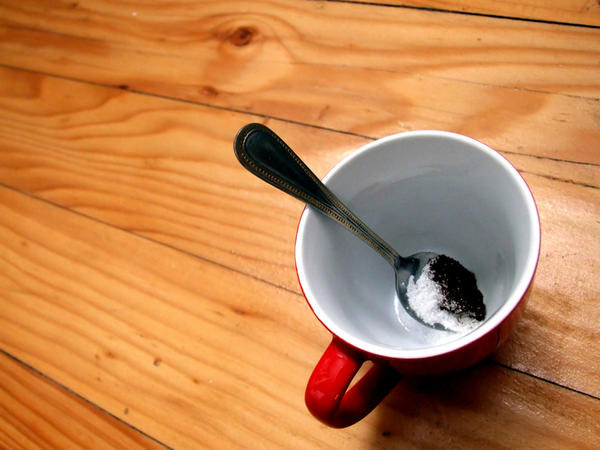
Women who drink a lot of tea, coffee, hot chocolate and cola-type drinks are more likely to have tired-looking skin and to suffer from conditions such as greasy skin and spots. This is because these drinks contain caffeine, which prevents your body from making good use of the vitamins and minerals from your food. Try to drink no more than three cups of coffee, tea or other caffeine containing drinks a day.
KEEP YOUR ALCOHOL INTAKE LOW
Excessive alcohol intakes may lead to skin problems such as split veins. Try not to drink more than the recommended 21 units a week (a unit is the equivalent of a glass of wine, a standard measure of spirits or half a pint of beer, larger or cider of ordinary strength).
Some women have a skin allergy to some alcoholic drinks, which usually manifests itself as hives. Hives are little itchy red spots that appear under the surface of the skin and make it feel hot and sensitive; they are sometimes known as nettle rash. The most common allergic reaction is to Salicylates, substances that occur naturally in some foods, such as grapes, banana, beans, strawberries and other berry fruits. If you get, a rash after eating some of these foods, beers may affect you in the same way, since they are often high in Salicylates. Instead, choose wine, gin, vodka or whisky.
TRY TO GIVE UP SMOKING
Nicotine does not help you keep a healthy skin. It attacks the blood vessels that feed the skin with nutrients and oxygen, as well as those that drain away the waste products from the skin. Your skin therefore becomes poor at ridding itself of unwanted substances and in severe cases also starts to lack oxygen.
Other substances produced by smoke can age the skin greatly and affect the nail beds and hair follicles, which nestle in the epidermis. If you want to have a youthful, healthy appearance, try to give up smoking.
SPECIFIC NUTRIENTS FOR GOOD SKIN
Vitamins A and C and the mineral zinc are all strongly linked with good skin. They are considered part of a healthy balanced diet, and there is usually no need to take them in supplement form. Both vitamins should be provided from your regular intake of fresh fruits and vegetables. Foods rich in Vitamin A include carrots, spinach, watercress, broccoli, yellow-fleshed sweet potato and melons such as cantaloupe. Good sources of Vitamin C are peppers, green leafy vegetables, strawberries, kiwi fruit, oranges and grapefruit.
Zinc is excellent for problem skin. It helps reduce the inflammatory processes within the body and aids healing. The body is more efficient at absorbing the zinc from foods such as beans and other pulses, shellfish and fish, wholegrain foods, nuts and dairy foods, rather than from tablets. If you feel your diet does not include some of these foods most days, you may wish to take a daily 15 mg supplement. Do not exceed this dose as high zinc levels make your body more susceptible to bacterial and viral infections.
Another nutrient that seems to be perfect “skin food” is biotin, a member of the vitamin B complex (although it is also known as vitamin H). It is mainly synthesized by bacteria in your gut, but is also found in some foods. Women who are on long-term antibiotics, which adversely affect the bacteria within the gut, or who suffer from any sort of gut mal-absorption condition such as Cohn’s disease or severe irritable bowel syndrome, could be rather low in biotin. A deficiency of this vitamin causes, dermatitis (inflammation of the skin), loss of hair and, in my experience, brittle nails.
Biotin-rich foods include eggs, peanut butter, wholegrain foods (especially oats) and liver. Note ,that raw eggs bind biotin in the gut and therefore will not help if you are looking to boost your biotin intake.
Warning Although some doctors prescribe Vitamin A based creams for skin complaints such as acne, there is no benefit to be gained from taking additional vitamin A in the form of a supplement . It is potentially dangerous to take a Vitamin A in the form of a supplement without the supervision of your doctor, as it is stored in the liver and an excess can cause severe liver damage. Vitamin A supplements taken while a woman is pregnant may lead to birth defects.

SUPPLEMENT YOUR DIET WITH ACIDOPHILUS AND BIFIDUS
I suggest you eat a small pot of ‘live’ yogurt containing bifidus and acidophilus bacteria everyday. These will help to rebalance the bacteria in your gut, and will particularly help those of you who take antibiotics to control skin problems. I see many women who have been taking antibiotics for anything from a few weeks to years. In doing so, their bodies suffer from side effects such as thrush and irritable bowels. The antibiotics kill the bacteria that exist within the healthy gut, which under normal circumstances produce anti-inflammatory substances, anti-cancer substances, vitamin K and energy. A good balance of bacteria needs to be re-established in order to protect the skin against inflammation and the body against other problems. The yogurt can be eaten on its own, flavored with chopped or pureed fruit, poured on to fruit or cereal, or swirled into soup or casseroles.
Disclaimer
The Content is not intended to be a substitute for professional medical advice, diagnosis, or treatment. Always seek the advice of your physician or other qualified health provider with any questions you may have regarding a medical condition.