If your complexion is being punished by unsightly brown patches that never seem to go away, you may have melasma or post inflammatory hyperpigmentation (PIH). Post Inflammatory hyperpigmentation, or PIH, is the medical term given to discoloration of the skin that follows an inflammatory wound. It is the skin’s natural response to inflammation.
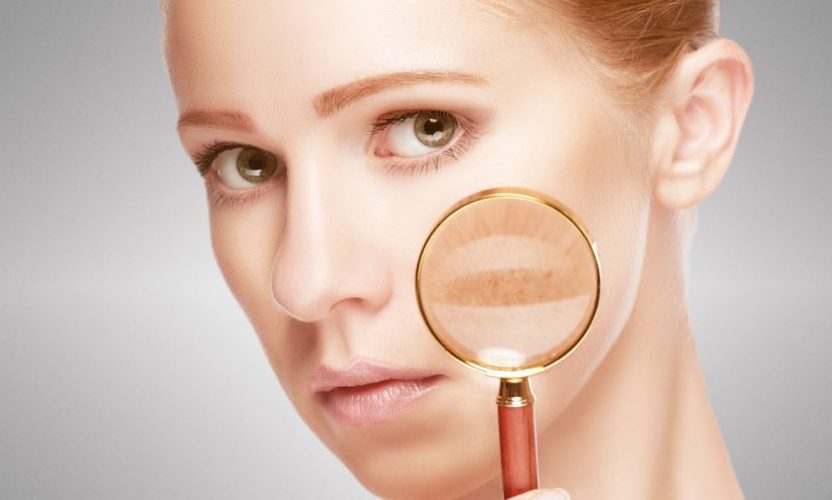
Post-inflammatory hyperpigmentation (PIH) causes skin darkening and discoloration that show up as spots, or as large patches on a person’s body. This is because cells that normally produce brown pigment evenly across your skin go into overdrive and produce too much melanin. This happens because of an inflammatory reaction in, or to an injury to, the skin. If the excess melanin is produced in the upper layer of skin (epidermis), the pigmentation color is a darker shade of brown. If the excess melanin is produced in the lower layer of skin (the dermis), a gray or blue discoloration becomes visible.
Causes
The most common causes are injuries such as scratches, burns, cuts, or bruises. Rashes of any type can cause PIH (examples of which include eczema, psoriasis, pityriasis rosea, lichen planus, and fungal infections). Ordinary conditions such as acne or pimples are a very common cause of PIH in individuals with brown skin. PIH can also be caused by injury to the skin resulting from sunburns, surgery or cosmetic procedures such as chemical peels, dermabrasion, lasers and cryotherapy (liquid nitrogen treatments).
Skin inflammation from allergic reactions, facial waxing (especially above the lip) or spots can trigger hyperpigmentation. Sun exposure is the big culprit. Pigment may be located in the epidermis or skin’s outer layer, the dermis or deeper layer, or a combination of both. The more superficial, the easier it will lighten.
Treatment
 PIH that is more recent responds better to treatment.Hydroquinone is the most effective skin lightening agent. Agents like kojic acid are often combined with azelaic acid,glycolic acids, lactic acid, retinol, ascorbic acid and botanical lighteners such as liquorice and bearberry extracts. Most skin lightening ingredients work better in tandem than on their own.
Skin lightening is not a quick process. It can take 6-12 weeks to see results. Non-prescription lightening creams can go only so far. For more dramatic improvement, look to more invasive remedies like peels and lasers to blend darkened areas. Microdermbrasion can remove superficial pigmented cells and allow lightening creams to penetrate better. Devices such as the pulse dye laser, Q-switched ruby and Nd:Yag can reduce brown coloured pigment. These systems utilize bursts of energy to target pigmented areas and destroy pigment cells. Minimizing sun exposure prevents darkening of existing patches, as well as new areas. Once you have successfully lightened areas, maintenance is needed for the long term.
 It is available over-the-counter at 1% to 2% strength, and in 3% to 4% prescription creams. Hydroquinone works by blocking the enzyme responsible for melanin production, thereby lightening the skin. Hydroquinone creams often contain additional lightening ingredients, such as kojic acid, glycolic acid, tretinoin and other retinoids, or vitamin C. These combination creams can give you better results than using hydroquinone alone. Hydroquinone creams should be carefully applied to darkened areas only, to prevent the unwanted lightening of your natural skin color. Hydroquinone may cause irritation in sensitive individuals. It’s worth talking to your doctor before beginning hydroquinone treatment.
One scientific study demonstrated that 80% of individuals who used a 4% hydroquinone product combined with glycolic acid had an improvement in their PIH after 3-months time. Because the lightening agent can sometimes cause other skin conditions, your treatment should not exceed 6 months.
Retinoids, such as tretinoin and tazarotene, are often prescribed to acne patients. Retinoids help clear acne by speeding up cell turnover rates. It is this rapid exfoliation that can also help clear PIH. Retinoid creams include Retin-A, Tazorac, and Differin. The fact that they lessen post inflammatory hyperpigmentation as they treat acne breakouts is an added benefit for many people.
Obvious results may not be apparent for several weeks to several months after beginning treatment. Topical retinoids may cause excessive dryness, redness, and/or irritation, which may in turn increase hyperpigmentation. Let your doctor know right if you experience any of these side effects.
 Glycolic acid is an alpha hydroxy acid found in many skin care products. It effectively exfoliates the skin, helping to lighten post inflammatory hyperpigmentation. Available in cleansers, creams, and gels, glycolic acid not only helps improve postinflammatory hyperpigmentation, but also leaves your skin smooth and soft.
Cleansers, gels, pads, and lotions containing glycolic acid are available over-the-counter. Higher concentrations are available with a prescription only. As with all products, improvement may not be seen for several months. Monitor your skin for irritation, and inform your doctor if it occurs.
Chemical Peels are a more intensive treatment used in cases of more persistent PIH or to hasten the lightening effects of the topical prescription products. Peels work by exfoliating the upper-most layer of your skin and the dark area with it. There are many different types of peels and they are usually solutions that the dermatologist applies to the skin. The peels that are used most often to treat PIH in brown skin are the alpha-hydroxy acid (glycolic acid) or beta-hydroxy acid (salicylic acid) peels.
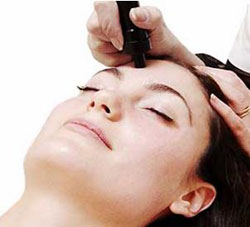 Microdermabrasion is a cosmetic procedure, performed in the dermatologist’s office, in which fine crystals are sprayed onto the skin’s surface to gently sand away the upper-most layers of the skin. As with chemical peels, microdermabrasion works by exfoliating the upper-most layer of your skin and the dark area with it. This procedure is particularly well suited for individuals who have sensitive skin (many individuals with brown skin) or those who have had a previous reaction to a chemical peeling agent. The procedure is performed with a machine that gently sprays the tiny crystals onto the skin’s surface and uses gentle suction to remove the dead superficial skin. The entire procedure takes about 20-30 minutes. You are then able to resume you normal activities.
Use of Sunscreen
People with PIH should use sunscreen on a daily basis to prevent any further darkening of lesions. By regularly using a sunscreen containing an SPF of 15 or 30, even in winter, you can prevent the further darkening of areas of existing PIH. The best products to use are considered “broad spectrum” because they block both UVA and UVB rays. Patients concerned about oily skin should look for sunscreen sprays and gels in order to avoid further skin surface oil.
Disclaimer
The Content is not intended to be a substitute for professional medical advice, diagnosis, or treatment. Always seek the advice of your physician or other qualified health provider with any questions you may have regarding a medical condition.