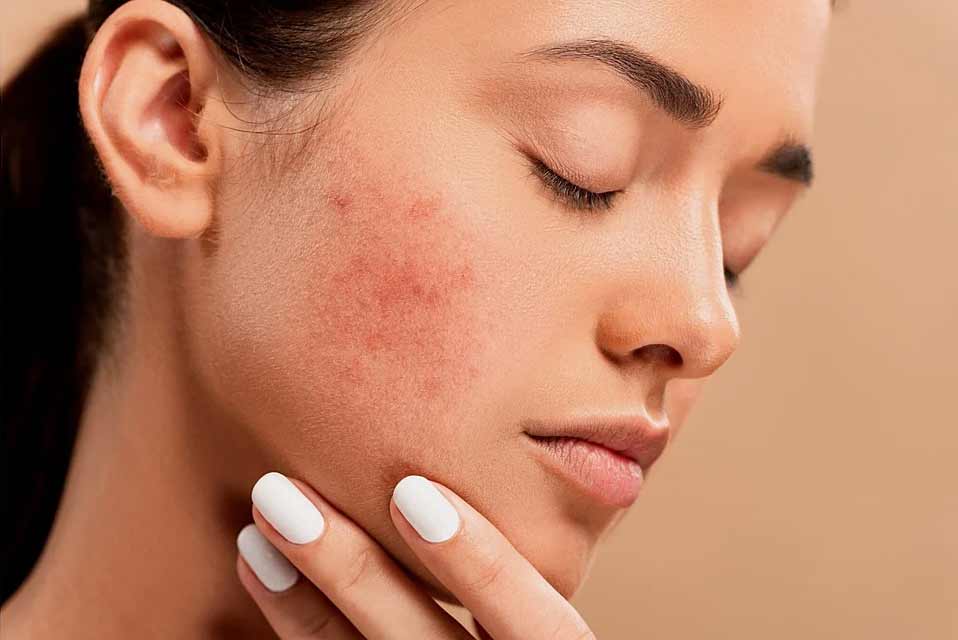
Acne (pimples) are caused by bacteria and other irritants embedded underneath the skin’s oil glands and hair follicles. It is generally a result of improper hygiene and poor diet, i.e., excessive amounts of processed, fatty and fried foods, as well as dairy, meat and sugar. A healthful diet rich in natural whole foods like vegetables, fruits, whole grains and beans is the first recommendation for treating acne.
Most people with acne attempt to treat their irritated skin with external face washes, soaps, lotions and treatments. Yet, according to a number of natural health authors, the best way to treat acne is by changing your diet and getting rid of acne-causing ingredients in your diet.
Eruptions on the surface of the skin usually indicate an acidic condition in the blood. This comes from eating too much meat, fried food, sweets, and white flour products, as well as drinking a lot of coffee, colas, and soft drinks.
Sugar:
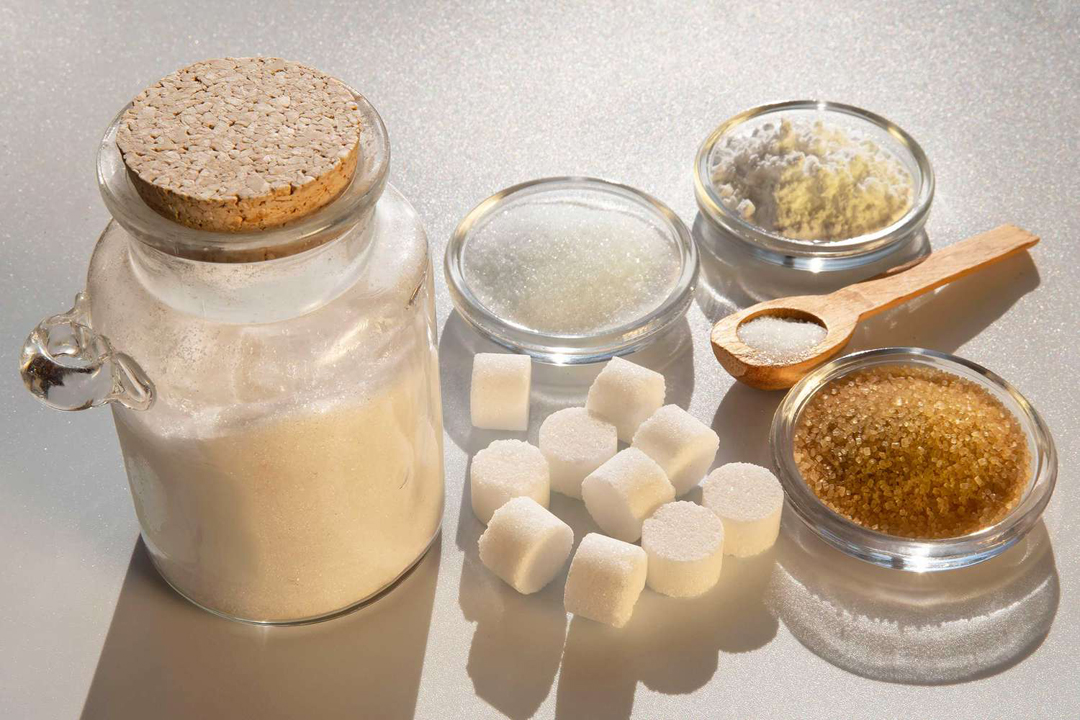
Not only is sugar bad for your body, it can be equally detrimental to your skin. In fact, sugar in excess can add up to a toxic amount of glucose. The process of glycation and cross-linking of proteins increases and as a result collagen becomes weakened and then wrinkles deepen. In other words, when sugar is consumed in excess, it can age your skin. Sugar can cause puffiness around the eyes so decrease your intake and increase your intake of water. Remember, the sugar you add to your diet should comprise no more than 10% of your total daily caloric intake.
Chocolate:

The most popular food to blame for bad skin is undoubtedly chocolate. Chocolate lovers will take great pleasure in noting that no one specific type of food – including chocolate – has been proven to cause or worsen acne in individuals. However, you should enjoy your chocolate sparingly, as your entire diet can definitely affect the quality of your skin’s appearance, even though one particular item may not be the trigger.
Coffee and Soda:

Drinking excessive amounts of coffee and soda – especially cola – also contributes to acne. Since some of the heaviest soda drinkers are teenagers, who simultaneously are being affected by hormones, they tend to have the most prevalent skin problems. “Acne, a common problem in teenagers, results from a combination of hormone stimulation, production of irritating fatty acids by certain bacteria, stress and poor diet,” writes Dr. Elson M. Haas in Staying Healthy With Nutrition. Since acne is caused by overproduction of oil beneath the skin, Haas recommends drinking more water, eliminating fried foods and hydrogenated fats from the diet and getting extra vitamin A and zinc to reduce acne breakouts.
Fried Food:

Foods containing trans-fatty acids, such as milk, milk products, margarine, shortening and other synthetically hydrogenated vegetable oils, as well as fried foods, must be avoided. Not all fats are bad, but the fats that typical Americans eat make them more prone to develop acne and skin problems than those living in other countries. Olive oil is good in providing a small amount of essential fatty acid. It also has oleic acid which helps the cells to absorb essential fatty acid more efficiently. Fat is the biggest cause for concern when eating fried food. When you fry the food in oil or lard you’re filling it with an insoluble grease- saturated fat and trans fat that can be found in grease, butter, oil, lard – which cannot be broken down through digestion and are instead stored in cells throughout your body like in your gut, on your thighs or around your heart. Bad fats like saturated fat and trans fat that can be found in grease, butter, oil, lard, some dairy products, packaged goods and snacks are the types of fat that you want to stay away from.
FOOD FOR A HEALTHY SKIN:
If you are experiencing skin problems, instead of treating your body’s largest organ with harsh chemicals or taking medications that may interfere with your other prescriptions, look first at the nutrition value of your current diet. Work to improve your skin and protect yourself from acne by following these guidelines:

- The best way to prepare food is to steam or bake it. But, if you absolutely must fry your food then be sure to fry it in extra virgin olive oil. EVOO allows food to retain its nutrients, doesn’t change the properties of what you’re cooking, nor does it saturate it with unnecessary oil.
- Drink Water- Drinking plenty of water helps to hydrate your skin and reduce puffiness. You should try to drink 8-10 glasses of water a day (do not include coffee or diet soft drinks as part of this intake).
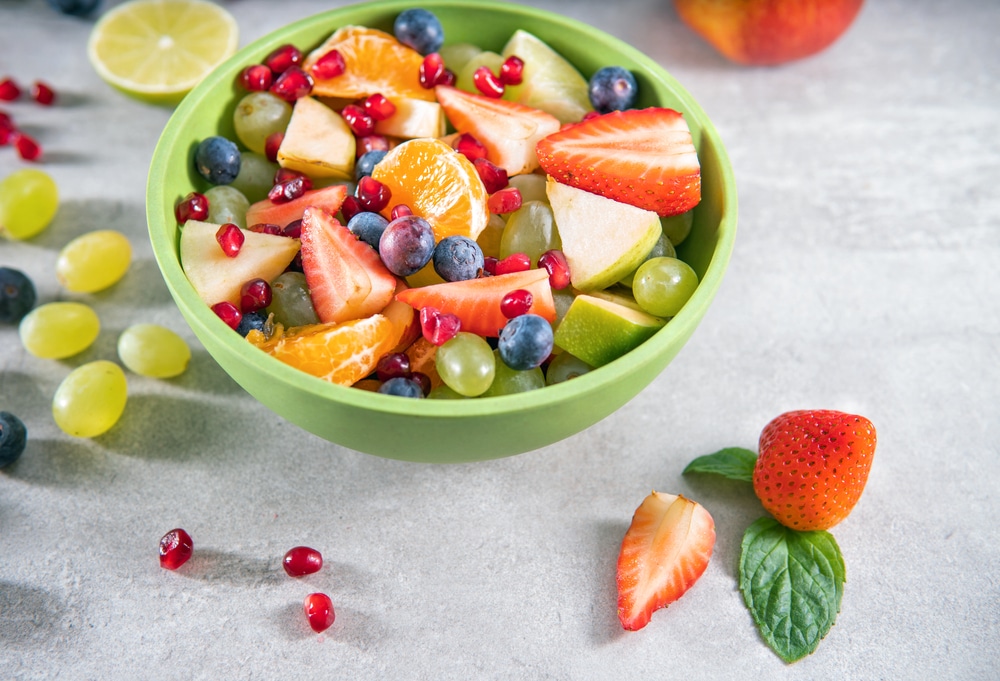
- Eating foods high in antioxidants (strawberries, peppers, blue berries etc) will help destroy free radicals before they harm your skin and help slow down aging and wrinkling.
- A skin-healthy diet emphasizes raw and lightly cooked vegetables, especially green leafy vegetables that contain valuable trace minerals and are rich in fiber. Fresh green vegetables are essential. Also include in your diet lean protein sources and complex carbohydrates, such as rice, whole-grain bread, potatoes, and legumes (legumes may be omitted if they cause a digestive problem). These fiber-rich foods help ensure a clean gastrointestinal tract, which is especially important in the management of acne.
- Supplement your diet with a Acidophilus and Bifundus- Try to eat a small pot of ‘live’ yogurt containing bifundus and acidophilus bacteria everyday. These will help to rebalance the bacteria in your gut, and will particularly help those of you who take antibiotics to control skin problems. I see many women who have been taking antibiotics for anything from a few weeks to years. In doing so, their bodies suffer from side effects such as thrush and irritable bowels. The antibiotics kill the bacteria that exist within the healthy gut, which under normal circumstances produce anti-inflammatory substances, anti-cancer substances, vitamin K and energy. A good balance of bacteria needs to be re-established in order to protect the skin against inflammation and the body against other problems. The yogurt can be eaten on its own, flavored with chopped or pureed fruit, poured on to fruit or cereal, or swirled into soup or casseroles.
- Eat three healthy meals and 2 mid-day meals daily to provide important nutrients and to decrease your appetite for sugary or greasy fried foods.
By following the above guidelines for clear skin, you can actively work to maintain healthy looking skin that is free of acne. If you find yourself suffering from acne or other skin conditions, focus inward instead for a treatment of this problem instead of slathering your skin with potentially harmful creams or lotions that may cause more harm that good.
Warning: Although some doctors prescribe Vitamin A based creams for skin complaints such as acne, there is no benefit to be gained from taking additional vitamin A in the form of a supplement . It is potentially dangerous to take a Vitamin A in the form of a supplement without the supervision of your doctor, as it is stored in the liver and an excess can cause severe liver damage. Vitamin A supplements taken while a woman is pregnant may lead to birth defects.
Disclaimer
The Content is not intended to be a substitute for professional medical advice, diagnosis, or treatment. Always seek the advice of your physician or other qualified health provider with any questions you may have regarding a medical condition.
