Without proper nutrition, bones can become weak and brittle and joints can become damaged.
The health related benefit of a high consumption of fruit and vegetables on a variety of disease has been gaining increasing prominence in the literature over a number of years. A number of observational experimental clinical and intervention studies over the past decade have suggested a positive link between fruit and vegetable consumption and the skeleton (or bones). The skeleton itself has been referred to as “a giant ion exchange column loaded with an alkali buffer,” as 80% of body carbonate, 80% of body citrate, and 35% of body sodium are contained in solution within the hydration shell of bone and are released in response to metabolic acid.
A variety of population based studies published in the later part of the 1900s and more recently between 2001 and 2003 have demonstrated a beneficial effect of fruit and vegetable potassium intake on indices of bone health in young boys and girls, premenopausal women, perimenopausal women, postmenopausal women and elderly men and women.
Calcium can be found in foods such as low-fat milk and yogurt, dark green, leafy vegetables such as kale and broccoli, carrots, yams and fruits such as oranges.

Acid – base homeostasis is critical to health and it is well documented that extracellular fluid pH remains between 7.35 and 7.45. A major requirements therefore of our metabolic system is to ensure that hydrogen ion concentrations are maintained between 0.035 and 0.045 m Eq/L. Acid-forming foods (protein and carbohydrates) drain calcium from the bones; alkalizing foods (fruits, vegetables, seaweeds) neutralize the acids and prevent calcium drain.
Major risk factors for Osteoporosis
Advanced age, alcohol consumption, smoking, lack of exercise, thinness, or being underweight, use of pharmacological drugs, diet high in protein, flour, and sweets, diet lacking vegetables, fats, protein, high consumption of nightshade vegetables (potatoes, tomatoes, peppers, eggplant).

-
Effect of dietary acidity:
On a daily basis, humans eat substances that both generate and consume protons and, as a net result adult humans on a normal western diet generate approximately 1 mEq per kg body weight of acid per day. Of course, the more acid precursors a diet contains, the greater the degree of systemic acidity. We know that as humans becomes older their overall renal function declines which include their ability to excrete acid. Hence with increasing age humans become slightly but significantly more acidic, leading to negative calcium balance. Furthermore, osteoclasts and osteoblasts appear to respond independently to small changes in pH in the culture media in which they are growing. There is evidence that a small drop in pH close to the physiologic range, causes a tremendous burst in bone resorption.
-
Role of potassium carbonate:
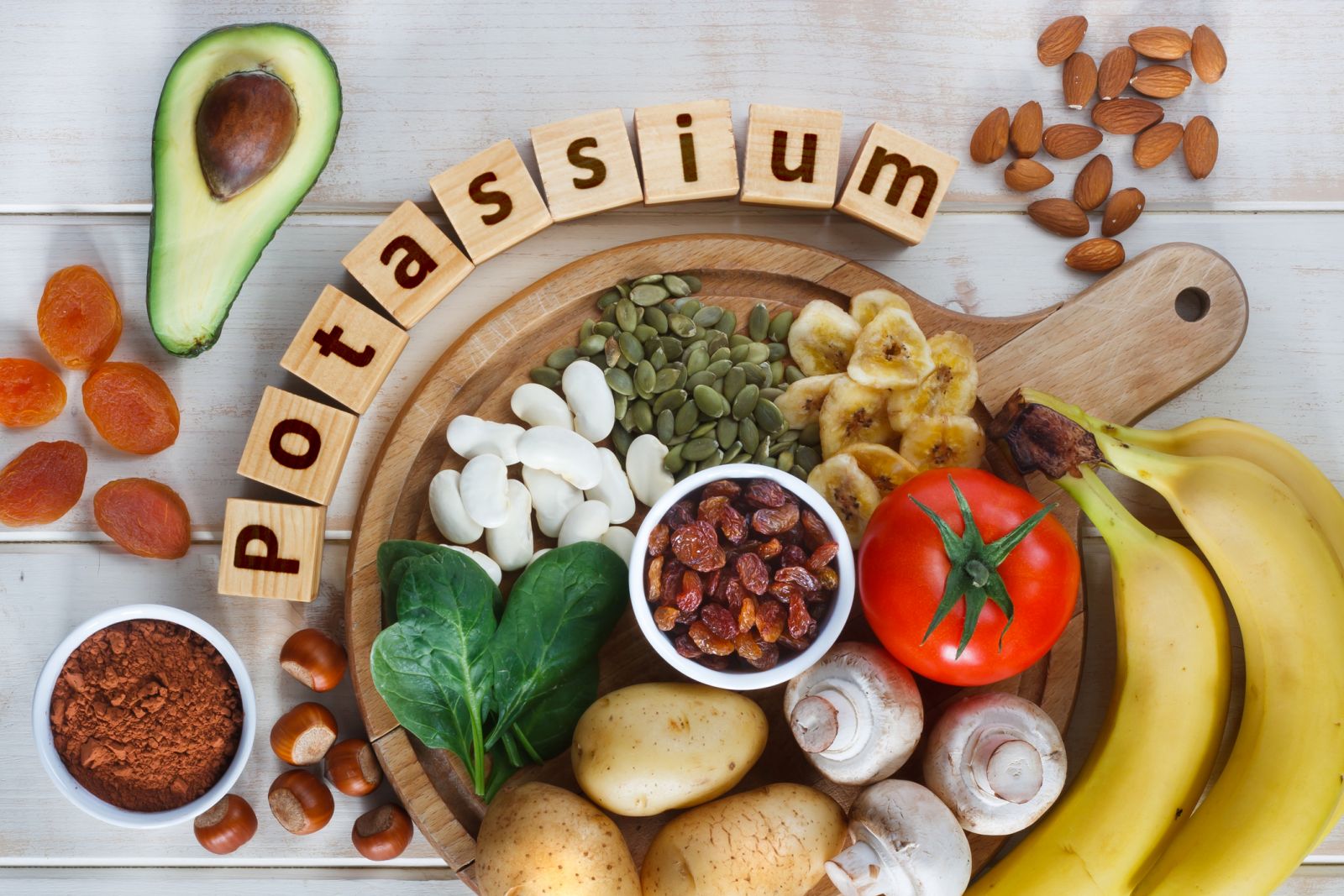
From a clinical point of view the study by sebastian and colleagues in 1994, which demonstrated that potassium bicarbonate administration resulted in a decrease in urinary calcium and phosphorus, with overall calcium balance becoming less negative or more positive is a very important study in the investigation as to whether alkali is important for bone health. Changes were also seen in markers of bone metabolism with a reduction in urinary excretion of hydroxyproline (bone resorption) and an increased excretion of serum osteocalcin (bone formation). Long-term studies looking at alkali administration on indices of bone health throughout the lifecycle are now urgently required.
-
The DASH Diet:
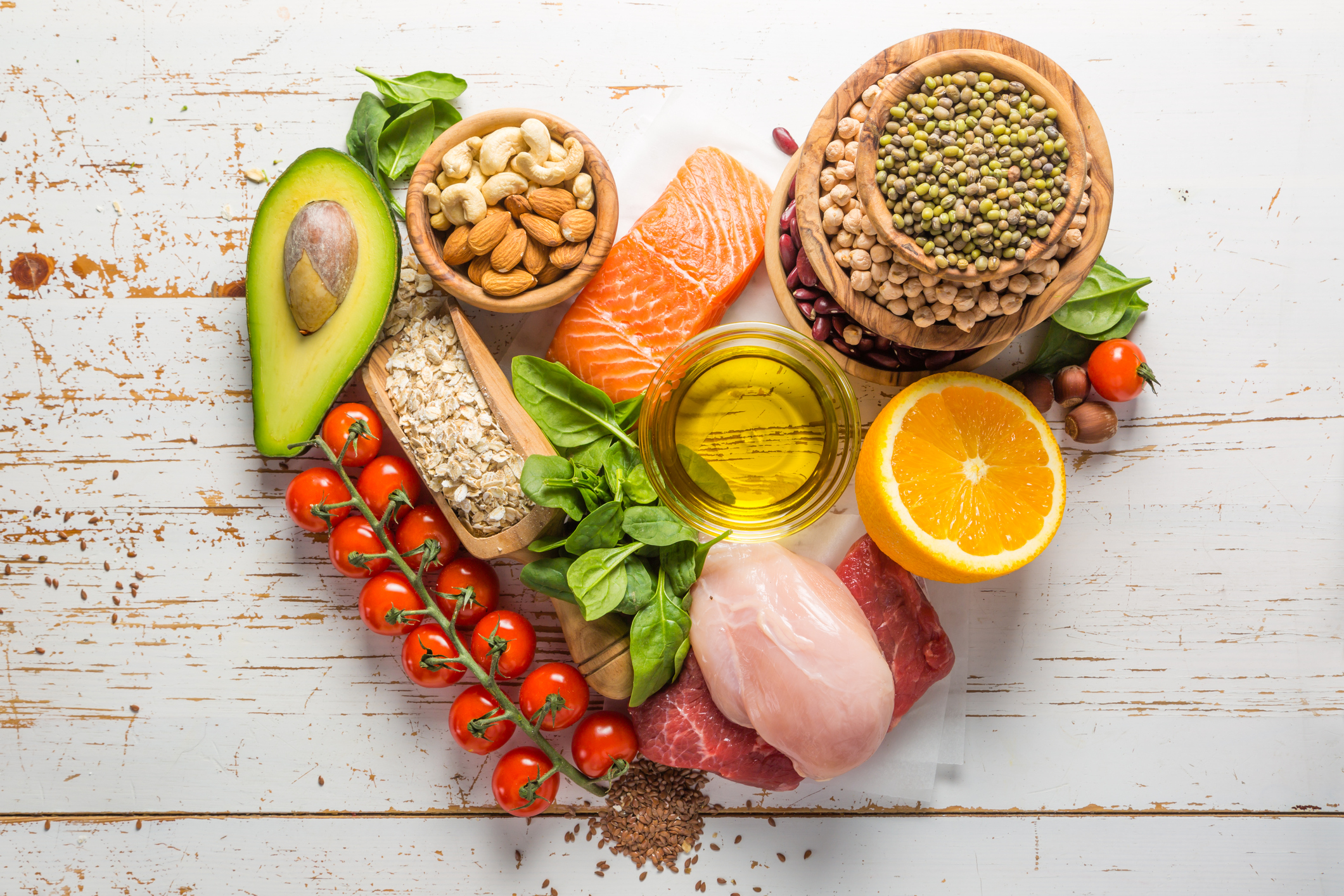
Further support for a positive link between fruit and vegetable intake and bone health can be found in the results of the DASH (Dietary Approaches to Stopping Hypertension) and DASH sodium intervention trials. DASH diets rich in fruit and vegetables were associated with a significant fall in blood pressure compared with baseline measurements. However of particular interest to the bone field were findings that increasing fruit and vegetable intake from a 3.6 to 9.5 daily servings decreased the urinary calcium excretion from 157 mm/d to 110 mg/d.
In summing up the evidence currently available, there is a positive link between alkali administration and markers of bone health. Research is now required to determine the long term clinical impact of alkalinity on bone health and fracture risk as well as clarification of the exact mechanisms involved with respect to this diet on skeletal protection.
Foods for improving bone health:
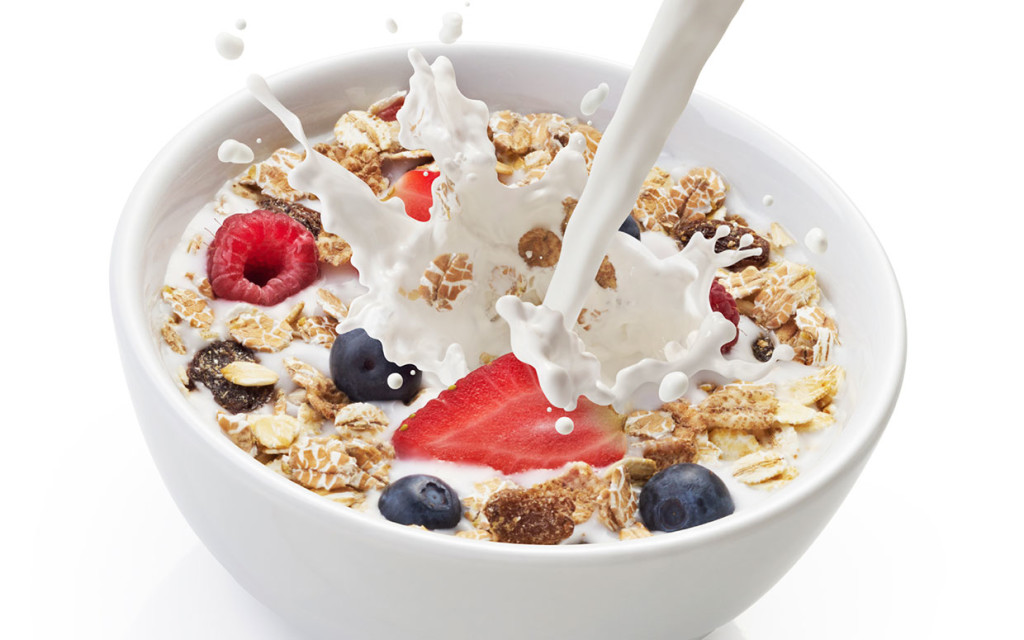
- Dairy foods provide the major, readily absorbed sources of calcium. Women aged 40 and over should consume 3-4 serves of low fat dairy food daily. Other, non-dairy sources of calcium include fortified breakfast cereals, canned fish with edible bones, some nuts, seeds and green vegetables.
- If calcium supplements are required, the best absorption rate is from a dose of 500-600mg of calcium once or twice daily.
- Avoid salty foods and adding salt to meals and during cooking.
- Vitamin D supplements may be necessary for elderly women with inadequate sun exposure
Disclaimer
The Content is not intended to be a substitute for professional medical advice, diagnosis, or treatment. Always seek the advice of your physician or other qualified health provider with any questions you may have regarding a medical condition.