| |
|
|
| |
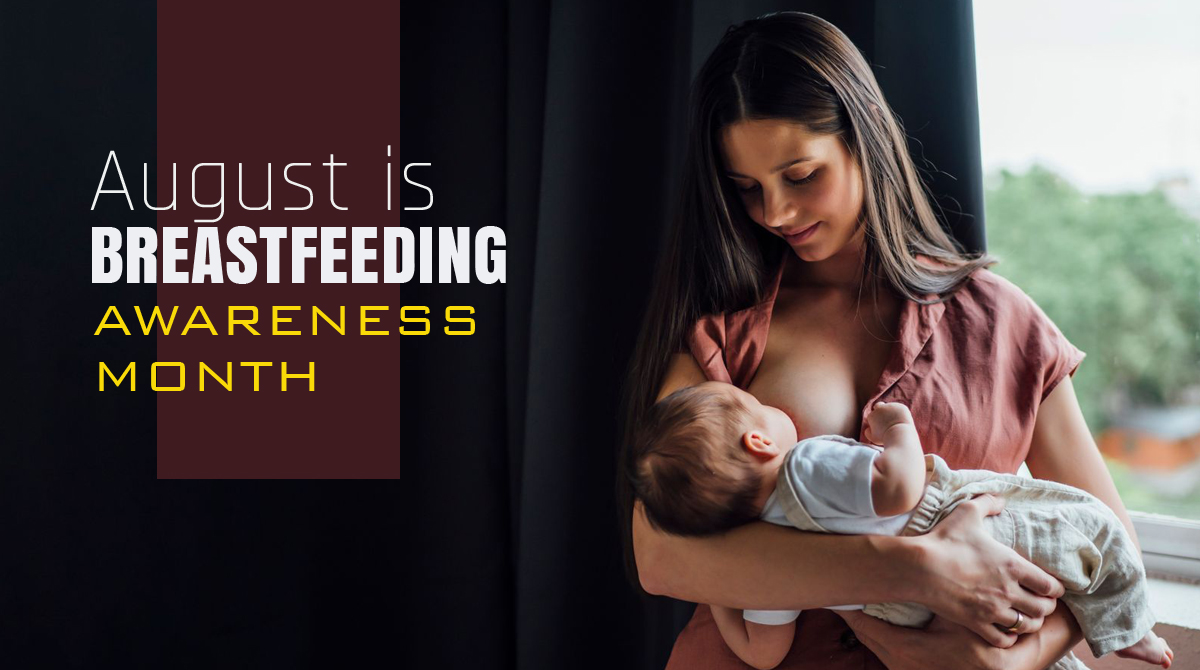
Breast-feeding or nursing is linked
with numerous benefits for both the mother and the child. It offers
complete nourishment and protects the baby from various disease
causing organisms.
It protects the baby from sudden infant death syndrome and increases
the baby’s intelligent quotient (IQ).
Researches have reported that it protects the mother from developing
cancer and bone disorders.
It helps the mothers to reduce the fat deposit that has accumulated
during pregnancy and help them lose weight after birth.
Breast-feeding requires commitment and patience and in some cases
becomes risky and increases the chance of transmitting certain
deadly viruses such as HIV and Herpes Simplex virus to the baby
through the milk. Nursing mothers should also avoid certain
substances such as caffeine, alcohol, nicotine and certain
medications while breast-feeding.
We dream that all mothers will
breastfeed their children and celebrate this profound experience of
motherhood with gratitude and respect to God's infinite wisdom and
generosity.
God empower mothers so that they can realize and utilize the body's
tremendous capacity to nurture, heal and regenerate.
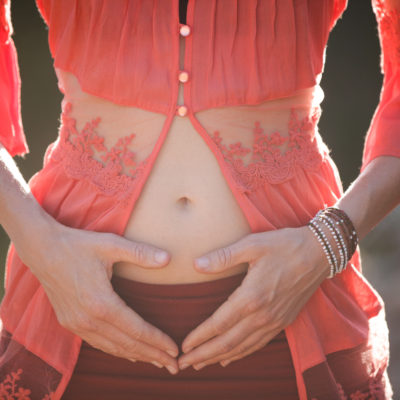
The discovery that a baby is expected is
one of the life's most exciting moment. Diet and exercise, and giving
up cigarettes and alcohol, are now considered as important as a part
of prenatal care as medical checkups. This section provides the basic
information about fitness and well-being during pregnancy, labor,
birth and after delivery.
|
|
| |
When you're pregnant, it's
important to make healthy choices as much as possible and to avoid
things that have the potential to harm you or your baby. But then
there's a large category of things that fall into a gray area, that
are neither beneficial nor particularly harmful. In the gray area,
falls the Diet Coke.
Practicing
Yoga during pregnancy

The practice of yoga gives you the opportunity to create a world
(your body) for your baby that is healthy and peaceful. "What a
child learns in the womb cannot be learned on earth".
Nutrition
Recommendations for Breastfeeding Women
During this unique phase in the childbearing cycle, a
breastfeeding mother will need to take some extra care to assure that she
produces and provides to her infant abundant, high-quality milk.
Women on even very low calorie diets
usually make enough milk, at least until the mother's calorie intake
becomes critically low for a prolonged period of time. Generally,
the baby will get what he needs. Some women worry that if they eat
poorly for a few days this also will affect their milk.
After delivery, all mothers need continued
nutrition so that they can be healthy and active and able to care for their
baby. Nutrient needs of the mother during breastfeeding include increased need
for energy, vitamins and minerals, and water.
A large study of mothers and children
carried out in Zimbabwe lends further support to the view that it is
probably better for mothers with HIV infection to breastfeed
exclusively rather than engage in mixed feeding, as children exposed
to a mixture of breastfeeding and other forms of feeding are more
than four times as likely to have become infected with HIV at the
age of six months when compared to infants exclusively breastfed.
Before you rush out to buy lots of
baby clothes, a roomful of toys, and several packs of diapers, ask
friends and family if they have any baby clothes or toys they can
pass on to you, and which diapers they recommend.
Read on....
Start
thinking about your options for childcare now, before you start finalizing your
own career plans. There are few rights and wrongs when it comes to
childcare - but there is a right way for your baby, you, and the other members
of your family.
|
 |

Have you recently
given birth? Are you feeling exhausted, anxious, depressed, or
just not yourself? If you are you are not alone. Many women are
not prepared for the wide range of emotions they may experience
after the birth of a child. They often feel sadness, anger,
anxiety, or a sense of inadequacy. Take the quiz
|
|
|
| |
|
|
|