According to the Centers for Disease Control and Prevention, 93 percent of Americans have BPA in their bodies.

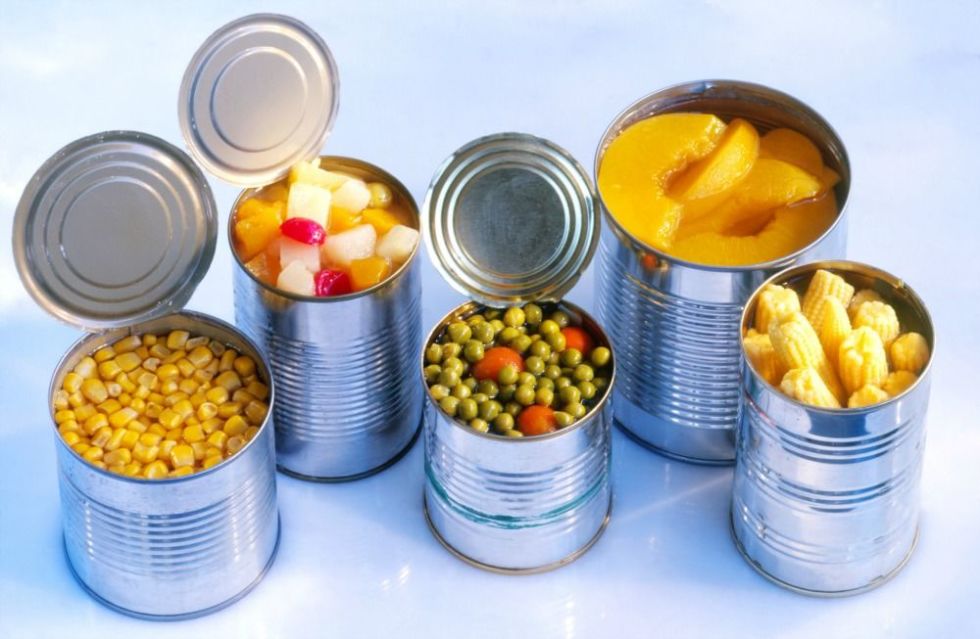
Canned food has taken over our lives and our cabinets providing a simple way to get lunch or dinner on the table quickly. Canned goods comes from various food products from soups to meat loaf and corned beef. We all love to enjoy canned goods because of it is very convenient and easy to prepare. But did you know that there is a reported dangers about canned goods for your health? Read on why canned goods are not the best choice for your meal.
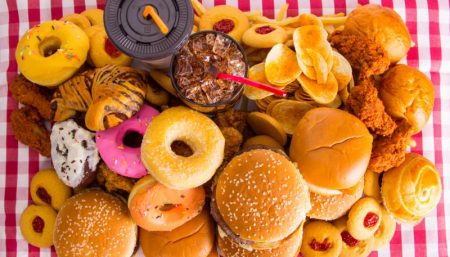
Processed foods and prepackaged meals are very convenient and popular. If you do shop for these foods, be sure to look for products that are made with whole grains, low in sodium and calories, and free of trans fats. Make sure you pay attention to serving size, too, and balance out the processed foods you eat with a delicious fresh salad and some whole grain bread.
All canned foods have an expiry date mentioned on their packaging. Most canned products can be easily stored even up to two years. They are packed at high temperatures and are usually vacuum packed, disallowing microbes to enter into the food and spoil it. While packaging, conditions are created to kill off all microbes and to prevent further growth of such microbes.
Researched shows that metal cans thin plastic lining contains bisphenol-A, a chemical responsible for gene destruction. Commonly known as BPA, bisphenol-A is a industrially produced chemical which are commonly used in polycarbonate plastics. FDA of the US government allows the maximum use of bisphenol-A contained products for just only one serving per day and not advisable to fed for infants as they are very sensible with BPA.
It is responsible for higher risk of:
- Infertility,
- Diabetes,
- Heart disease and
- most of all cancers. Other effects include,
- Less sperm count,
- Neurotoxicity,
- Allergic reactions and
- Brain insufficiency.
The more longer the food stays in the can, the more BPA migrates to the food itself. Though you may not be able to find canned goods that goes straight to your community supermarket, this makes the products more cancer potent. |
EWG (Environmental Working Group) test results — BPA is common contaminant in name-brand canned foods heavily consumed by women and infants.
| Canned Foods | Number of brands tested | Number of cans tested | Foods tested | BPA % detect | Average BPA level* and range (ppb) |
|---|---|---|---|---|---|
| All foods | 30 | 97 | 57% | 7.9 (ND – 385) | |
| Beans | 3 | 6 | baked beans | 83% | 9.7 (ND – 38) |
| Fruit | 6 | 17 | mixed fruit, cranberry sauce, peaches, pears, pineapple | 35% | 2.3 (ND – 27) |
| Infant formula | 2 | 6 | concentrated infant soy and milk-based formula | 33% | 2.4 (ND – 17) |
| Meal replacement | 2 | 5 | liquid meal replacements | 40% | 4.2 (ND – 66) |
| Milk products | 3 | evaporated milk | 66% | 3.5 (ND – 9) | |
| Pasta | 2 | 6 | ravioli, spaghetti | 100% | 63.5 (16 – 247) |
| Soda | 2 | 12 | cola, diet cola | 42% | 1.7 (ND – 8) |
| Soup | 5 | 19 | beef stew, chicken noodle, chicken rice, chicken vegetable, tomato, vegetable | 89% | 57.6 (ND – 385) |
| Tuna | 2 | 6 | chunk lite, solid white | 50% | 9.6 (ND – 108) |
| Vegetable | 8 | 17 | corn, green beans, mixed vegetables, peas, tomatoes | 41% | 7.8 (ND – 330) |
BPA concentrations are expressed in parts per billion (ppb) by weight (micrograms of BPA per kilogram of food).
* Average is the geometric mean. Non-detects considered to be 1/2 the detection limit (1 ppb) for purposes of this calculation.
Toxicity / Other hazards to health
- Canned foods must not be stowed/stored in a hold/container/warehouse together with toxic goods (foodstuffs legislation).
- If optimum storage conditions are not complied with for a relatively long period, depreciation occurs with respect to the can contents, which may sometimes present a serious hazard to health. One characteristic feature of reduced quality is “blowing”, in which disadvantageous changes generate gases (“blowing gases”), which cause the bottom and lids of cans to swell and even burst. Swelling caused by blowing differs from straightforward bulges in that it either cannot be pressed back in at all or bulges out again when pressure is released.
- Apart from apparent blowing (thermal causation, expansion due to freezing/heating), blowing may also have microbiological and chemical causes. In the case of microbiological blowing, the typical blowing gases are, for example, hydrogen sulfide (where protein is present), carbon dioxide and hydrogen. Chemical blowing may be observed in the case of preserved fruits and jams, hydrogen being produced due to the reaction of metal and acids and corroding the insides of the cans.
The good thing about BPA is that they can only found in processed foods and food packaging materials. So the fresher and raw foods you eat, the more safer and healthier you get. Prevent processed and packaged foods and you can be sure that you are eating a bisphenol-A free in your meals.
Disclaimer
The Content is not intended to be a substitute for professional medical advice, diagnosis, or treatment. Always seek the advice of your physician or other qualified health provider with any questions you may have regarding a medical condition.