Cervical cancer is the second most common cancer. Conventional treatments for cervical cancer such as chemotherapy, radiation, surgery, hysterectomy, or the removal of lymph nodes and ovaries can often leave the woman infertile. Cervical cancer vaccines (also called Human Papillomavirus or HPV vaccines) protect against the virus that causes almost all cervical cancers.

How Can I Protect Myself Against Cervical Cancer?
Regular Pap screening beginning at age 21 can detect problems of the cervix that are related to HPV infection before cancer develops.
Two screening tests can help prevent cervical cancer or find it early—
- The Pap test (or Pap smear) looks for precancers, cell changes on the cervix that might become cervical cancer if they are not treated appropriately.
- The HPV test looks for the virus (human papillomavirus) that can cause these cell changes.
The Pap test is recommended for all women, and can be done in a doctor’s office or clinic. During the Pap test, the doctor will use a plastic or metal instrument, called a speculum, to widen your vagina. This helps the doctor examine the vagina and the cervix, and collect a few cells and mucus from the cervix and the area around it. The cells are then placed on a slide or in a bottle of liquid and sent to a laboratory. The laboratory will check to be sure that the cells are normal.
If you are getting the HPV test in addition to the Pap test, the cells collected during the Pap test will be tested for HPV at the laboratory. Talk with your doctor, nurse, or other health care professional about whether the HPV test is right for you.
When you have a Pap test, the doctor may also perform a pelvic exam, checking your uterus, ovaries, and other organs to make sure there are no problems. There are times when your doctor may perform a pelvic exam without giving you a Pap test. Ask your doctor which tests you are having, if you are unsure.
If you never get exposed to HPV, you’ll be at extremely low risk for cervical cancer. But, the only sure protection from HPV is lifelong abstinence. Regular condom use can also help prevent spread of HPV infection.
Who Should Get Vaccinated Against Cervical Cancer?
Guidelines are summarized below:
- Routine vaccination is recommended for all 11 and 12 year old girls.
- The vaccination series can be started for girls as early as age 9. Ideally, the vaccine should be given before first sexual contact, but females up to age 26 who are sexually active should still be vaccinated.
- Vaccination is recommended for girls and women ages 13 to 26 who have not been previously vaccinated. However, a decision about whether to vaccinate a woman aged 19 to 26 should be made based on an informed discussion between the woman and her healthcare provider regarding her risk of previous HPV exposure and potential benefit from vaccination.
Why Are the Cervical Cancer Vaccines Recommended for Such Young Girls?
Ideally, females should get vaccinated before they become sexually active. This is because the vaccines are most effective in girls/women who have not yet been exposed to the types of HPV covered by the vaccines. Girls/women who have not been exposed or infected with these types get the full benefit of the vaccine.
How Are the Vaccines Given?
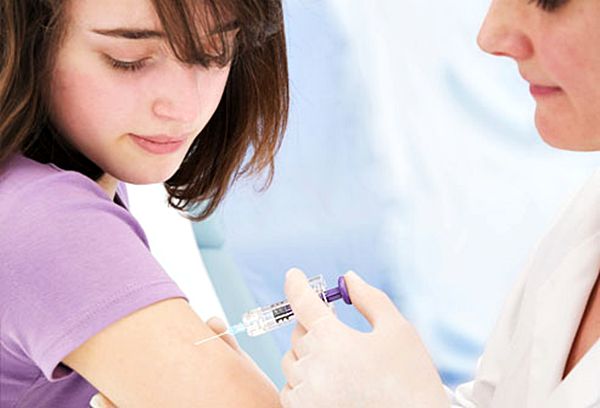
The vaccines are given in the arm or thigh 3 times—at the first visit, 1-2 months later and 6 months after the first injection. The best protection is achieved after all 3 shots are given. It is important to try to to get all the shots on the recommended time schedule, but if there are delays, complete it as soon as possible. If there are big delays, you do not need to restart the three dose series. It is not known at this time whether booster shots will be needed later. Gardasil, which is injected three times over an eight-month period, has the potential to save hundreds of thousands of lives. Essentially, the vaccine kick-starts a woman’s immune responses to the disease without the patient having to be exposed to the actual virus.
Is there a cure for HPV?
Unfortunately, there is no medical cure for HPV. The good news 90% of people with a healthy immune system will clear the virus, without medical treatment, within two years of becoming infected. Smokers or those with suppressed immune systems may need to wait longer. HPV usually resolves itself without causing any adverse health problems.
However, for some individuals, HPV can lead to genital warts and cervical abnormalities. When left untreated, these abnormal cervical changes can develop into cervical cancer.
The Impact of Gardasil
While Gardasil has many benefits and uses, recent advancements in treatment and screening have made cervical cancer almost 100 percent treatable. It can take up 10 years for an HPV infection to turn into cervical cancer, and regular Pap smears should catch a potential problem in its earliest — and most treatable — stage.
Careful monitoring is essential to watch for any progressive abnormal changes.
Disclaimer
The Content is not intended to be a substitute for professional medical advice, diagnosis, or treatment. Always seek the advice of your physician or other qualified health provider with any questions you may have regarding a medical condition.