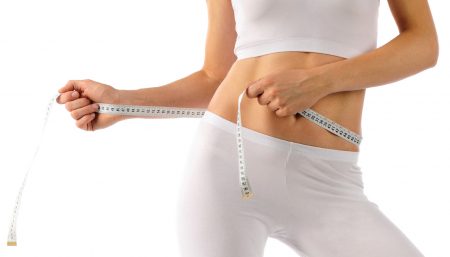
Terms “weight loss” and “fat loss” hold completely different meaning and you must know the difference if you want to lose weight or lose fat effectively and healthily.
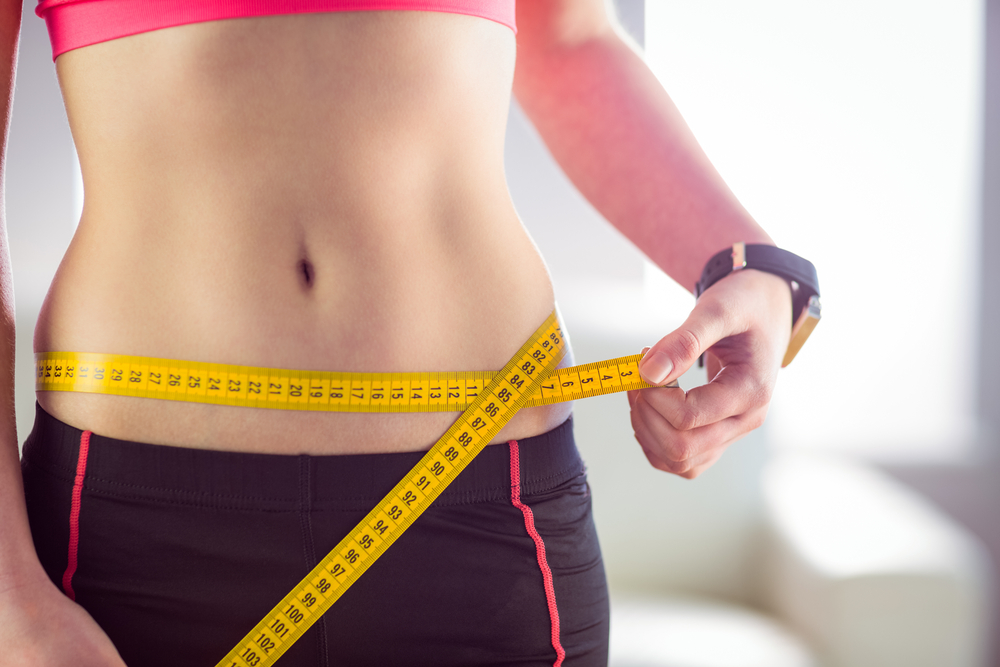
The human body is composed of a variety of different tissue types including lean tissues (muscle, bone, and organs) that are metabolically active, and fat (adipose) tissue that is not. The sum total weight of all this constitutes body weight and decrease in percentage of muscle, fat and bone weight constitutes weight loss. Where as decrease in body fat % constitutes fat loss.
Body Weight Measurements
 Standard body weight scales provide a measure of total weight, but don’t determine the lean-to-fat ratio of that weight. Standing on most scales can tell you only if you weigh more than the average person, but not if that weight is fat or muscle. Based only on scale weight, a 250-pound athlete with 8% body fat may be considered “overweight” by a typical weight chart. Such charts are not a good indication of ideal body weight for general health or for athletic performance.
Ideal Body Weight and Body Fat Percent
The ideal weight and fat-lean ratio varies considerably for men and women and by age, but the minimum percent of body fat considered safe for good health is 5 percent for males and 12% for females. The average adult body fat is closer to 15 to 18% for men and 22 to 25% for women.
Athletes tend to be at low end of this scale due to their increased lean weight (muscle mass). While low levels of body fat seem to be related to improved performance, body composition alone is not a great predictor of sports success. Body fat among elite athletes vary largely by sport. There is little evidence of any benefit when men drop under 8% and women drop under 14 percent body fat.
Ways to preserve muscle while on fat loss program
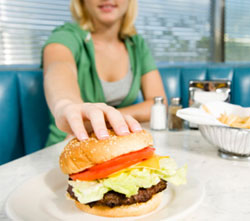 To keep muscle but slowly lose fat, you have to consume plenty of protein and lower carbohydrate and fat intake. Do not eliminate carbohydrate or fat. They are both still important components to keeping healthy. It should be spread out over 6 meals (about every 3 hours). Try to consume a bigger percentage of your carbohydrate in your earlier meals and immediately after training. Do not drastically cut your calories, but reduce them. Add about 10% more protein while reducing carbohydrate by 10-15% for most of your meals. Also, choose protein sources with a lower percentage of fat, such as egg whites, turkey breast, fish. This will cause your body to start using more fat for energy instead of carbohydrate, and the extra protein will help prevent much muscle breakdown for energy.
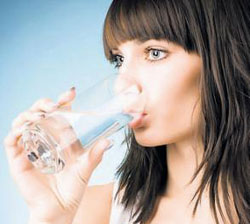 KEEP YOURSELF WELL-HYDRATED. Always keep well-hydrated with water. The only exception to this rule is when peaking for a bodybuilding contest, where reducing water intake for a couple days prior to a contest helps in preventing water retention which blurs muscle definition. Restricting water to lose fat is never a good idea. A good guide for daily intake is to drink 1 ounce of water for every 2 pounds of body weight. A 200 pound person should be drinking around 100 ounces (12.5 cups) of water in order the gain the benefits of increased energy and metabolism.
DO NOT SKIP MEALS. Consistently skipping meals will lower your metabolism and break down muscle. A good way of dieting, is to eat 4-5 smaller meals rather than 2 or 3 big ones. Why? It helps stabilize blood sugar and helps control your appetite.
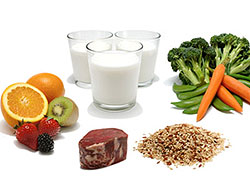 CYCLE YOUR CARBOHYDRATE INTAKE. Being on a low-carbohydrate diet for prolonged periods of time will deplete your glycogen stores and slow your metabolism. At least once a week, eat a high-carbohydrate meal consisting of mainly complex carbohydrate. This will help restore your glycogen levels with very little likely to be stored as fat. The recommended daily allowance (RDA) is 300 grams of carbohydrate per 2000 calories (about 60% of total calories). Regardless of the type of carbs you eat, all are treated the same way in your body–they are all broken down into sugars during digestion. But, complex carbohydrate are almost always the best choice because they are naturally low in fat, high in fiber and provide tons of vitamins and minerals.
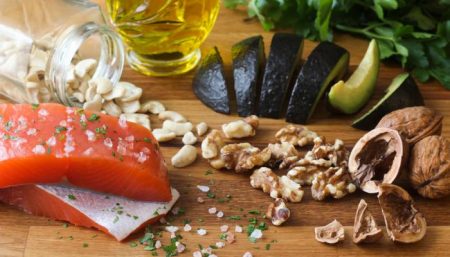
GET YOUR HEALTHY FATS. Flaxseed Oil, Olive Oil, Evening Primrose Oil, and Fish Oils (found in fish like salmon) are considered healthy fats because they are unsaturated. They actually help promote fat loss, maintain muscle, give you energy as you are lowering your carbohydrate, and support healthy arteries. Don’t completely avoid fat. About 20% of your diet should consist of fat, mainly unsaturated.
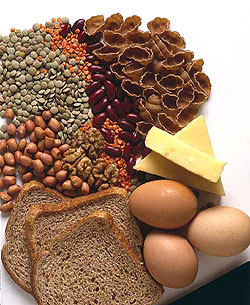 GET YOUR FIBER. Fiber makes us feel full sooner and stays in our stomach longer than other substances we eat, slowing down our rate of digestion and keeping us feeling full longer. Due to its greater fiber content, a single serving of whole grain bread can be more filling than two servings of white bread. Fiber also moves fat through our digestive system faster so that less of it is absorbed. Fiber (in foods such as vegetables, fruits, oatmeal) is good for you! Be sure to drink plenty of fluids when adding fiber to your diet. While fiber is normally helpful to your digestive system, without adequate fluids it can cause constipation instead of helping to eliminate it.
EAT A MODERATE CARBOHYDRATE / HIGH PROTEIN MEAL IMMEDIATELY AFTER TRAINING. Your body has depleted its glycogen stores and is ready to absorb as much nutrients as it can. This is the time to take in a few more carbohydrate than usual to help in recovery.
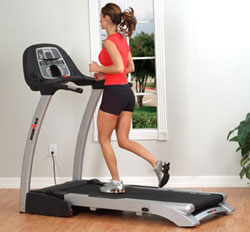 DO CARDIO ON AN EMPTY STOMACH FIRST THING IN THE MORNING. Just doing a cardiovascular (or aerobic) type of activity, such as riding a bicycle or walking on a treadmill, anytime will make a difference. Your body will burn more fat if you do it on an empty stomach. This is because your body is in more of a glycogen-depleted state, so it does not have many carbohydrate to burn first. And since it is an aerobic type of activity, not much muscle should be broken down in the process. This helps maintain your muscle mass, as long as you are consuming enough protein.
CONSUME A NO-CARBOHYDRATE OR LOW-CARBOHYDRATE PROTEIN DRINK BEFORE BED. This will keep your metabolism stoked and your muscles intact, while you’re sleeping. Remember: Muscle is active. Fat is not. Muscle raises your metabolism, which is key in losing fat.
Eat healthy, natural foods with a high ratio of nutrients to calories and you will not be fat and you will not go hungry. You will be healthier, too.
Disclaimer
The Content is not intended to be a substitute for professional medical advice, diagnosis, or treatment. Always seek the advice of your physician or other qualified health provider with any questions you may have regarding a medical condition.