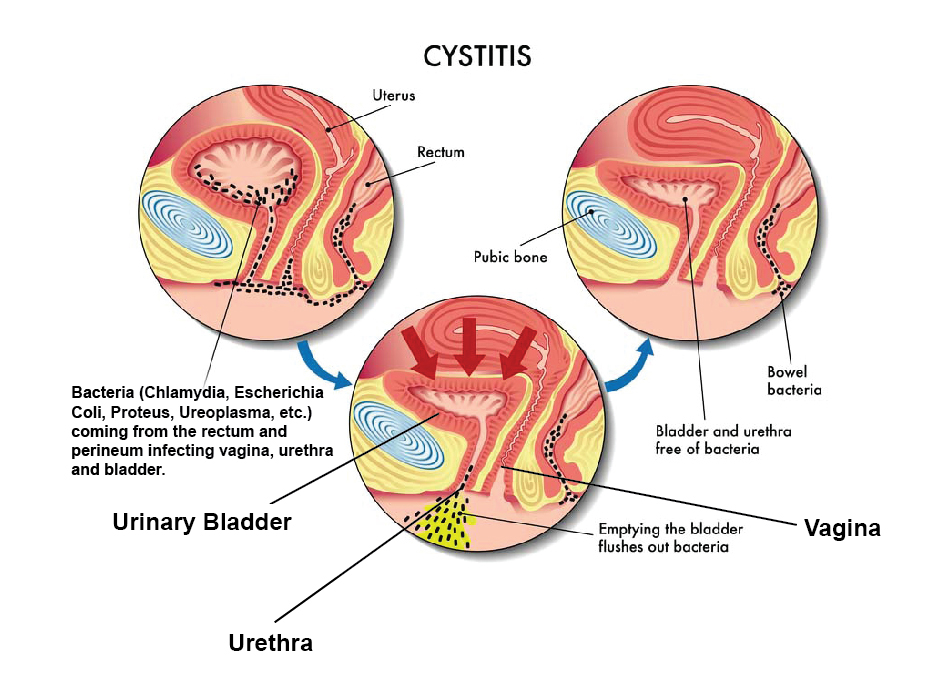
This is a very common infection or irritation of the bladder that results in an urgent desire to urinate frequently, regardless of whether your bladder is full. Passing urine is usually painful and the urine may be cloudy or even contain blood. You may feel discomfort after passing urine or have abdominal pain. It is important to treat cystitis as soon as it is detected; otherwise it can lead to kidney infection and possibly cause permanent kidney damage. Women seem to be more at risk of getting cystitis than men because their urethras are much shorter and therefore more vulnerable to irritation and infection.
Many women get cystitis when they first become sexually active of after frequent sexual intercourse. This is because when the penis is inside the vagina it can irritate the urethra, which lies next to the vagina. This is what first gave the condition in young women the name of “honey-moon cystitis.”
| Symptoms
Symptoms of cystitis can include:
|
How does a doctor diagnose cystitis?
The diagnosis of cystitis is primarily based on symptoms and signs. Visual appearance of the urine is not helpful. The most important examination of urine is done by chemical testing (dipstick test), which is very quick, and by urine culture where the specimen is sent to a hospital laboratory to grow and examine the bacteria. The specimen must be fresh. It is also important that the woman has separated her labia (lips) during urination, to avoid bacteria from the skin and vagina contaminating the specimen. If there is inflammation, the doctor will identify bacteria and red and white blood cells in the urine using the dipstick test. If this is positive, your doctor can prescribe antibiotics immediately while waiting for further confirmation from the urine culture. This will also indicate whether the antibiotic is sensitive to the bacteria or whether there is any resistant bacteria which is not going to respond to the antibiotic.
In the case of repeated, inexplicable, infections of the urinary system, a referral should be made to a hospital for tests such as ultrasound scanning or X-rays of the urinary system and cystoscopy (telescopic examination of the bladder).
The effects on your fertility
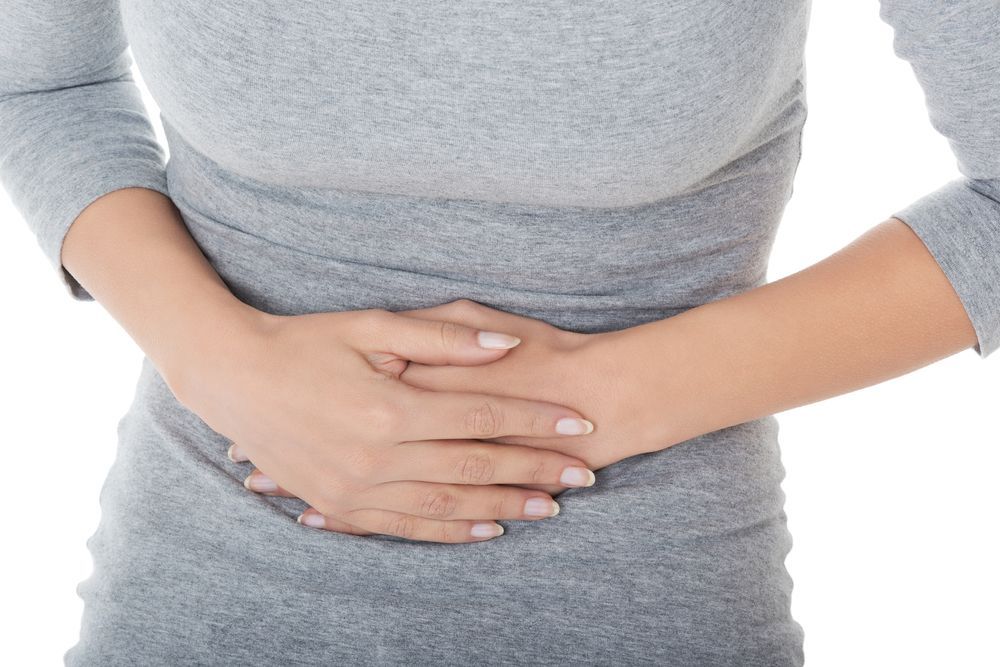
Cystitis should present no obstacle to conceiving – apart from the fact that you should abstain from intercourse until the infection has cleared up. However, it is particularly common in pregnancy because the expanding uterus places more pressure on your urethra, making it more difficult to completely empty your bladder. Increased amounts of progesterone in your body during pregnancy also make the urethra more lax, and this allows infections to travel up the urethra to the bladder more easily. If left untreated, cystitis can progress to kidney infection and cause premature labor.
Treatment
If a urine test shows you have cystitis, you will most likely be prescribed a course of antibiotics to treat the bacterial infection effectively. If you are planning to conceive, check with your doctor that these are safe.
Self-help measures to prevent cystitis
The following will help to prevent cystitis:
- Drink lots of water, herbal teas, and other clear fluids, so the bladder is flushed thoroughly.
- Drink plenty of cranberry juice (it has a natural antibiotic effect). There is no doubt that this simple and natural treatment may help to reduce the frequency of recurrent infections. It is thought that the cranberry juice works by preventing common bacteria from ‘sticking’ to the walls of the bladder and so preventing infection taking hold.
- Always completely empty your bladder – infections develop more easily in urine that becomes concentrated or stagnant. Empty your bladder before intercourse and again afterward. Remember, it is a bad habit to sit on the toilet bent forward and reading while urinating.
- Try to avoid vaginal deodorants, douches, bubble baths, and perfumed soaps, as these all irritate the urethra.
- Wear loose clothes and cotton-lined underwear to help prevent irritations and infections in the vaginal area.
- If you are using a diaphragm, make sure it fits properly or change to a cervical cap, which fits snugly over the cervix and does not press on the urethra.
- If you suffer from vaginal dryness use some lubrication.
- When you breast-feed, your body secretes protective carbohydrates, known as oligosaccharides, in both your breast milk and urine. Oligosaccharides prevent bacteria from sticking to the wall of your bladder and that of your baby’s. This will protect you both from cystitis – another benefit to breast-feeding your baby.
If you get three or more attacks a year, your GP may give you a course of antibiotics to keep at home so you can use them as soon as you know you are getting a bout of cystitis. Alternatively, women who get repeated attacks may need to take a low dose of antibiotics for six to 12 months. If you get cystitis after sexual intercourse, your GP may advise you to take a single dose of antibiotics immediately after you have had intercourse to prevent an attack.
Curing Cystitis
The following will help to cure an attack of cystitis:
- As soon as symptoms start, drink at least a pint of water with a teaspoon of sodium bicarbonate (baking soda) dissolved in it. This may help to prevent any bacteria from reproducing. Continue to drink a pint of this mixture every hour until symptoms stop.
- Use a hot water bottle to relieve the pain.
- Drink lots of cranberry juice, hot yarrow tea, and vegetable broth containing barley. These all help to ward off infection.

Related Links
- Choosing Contraception
- Top 10 to Conceive Naturally With Herb Aid
- Skin Infections and Infestations
- Skin Care
Disclaimer
The Content is not intended to be a substitute for professional medical advice, diagnosis, or treatment. Always seek the advice of your physician or other qualified health provider with any questions you may have regarding a medical condition.