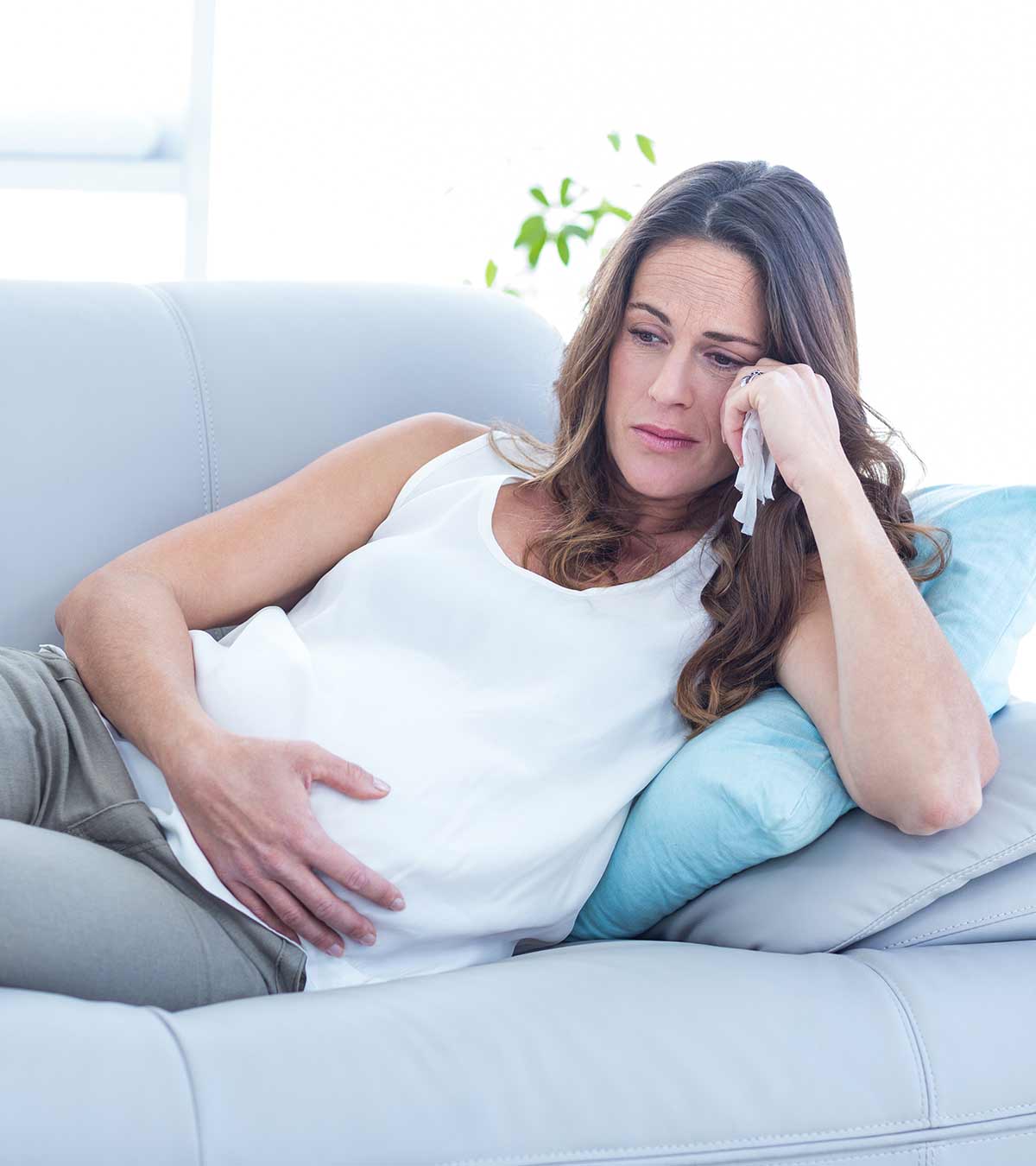
Depression is common during pregnancy-between 14 percent and 23 percent of pregnant women will experience depressive symptoms while pregnant. In 2003, approximately 13 percent of women took an antidepressant at some time during their pregnancy.
A new report from the American College of Obstetricians and Gynecologists (ACOG) and the American Psychiatric Association (APA), based on an extensive review of existing research, offer recommendations for the treatment of women with depression during pregnancy.
During Pregnancy
Both depression symptoms and the use of antidepressant medications during pregnancy have been associated with negative consequences for the newborn.
Infants born to women with depression have increased risk for irritability, less activity and attentiveness, and fewer facial expressions compared with those born to mothers without depression. Depression and its symptoms are also associated with fetal growth change and shorter gestation periods. And while available research still leaves some questions unanswered, some studies have linked fetal malformations, cardiac defects, pulmonary hypertension, and reduced birth weight to antidepressant use during pregnancy.
Identifying depression in pregnant women can be difficult because its symptoms mimic those associated with pregnancy, such as changes in mood, energy level, appetite, and cognition.
According to the report, some patients with mild-to-moderate depression can be treated with psychotherapy (alone or in combination with medication. In addition, the report discusses the need for ongoing consultation between a patient’s ob-gyn and psychiatrist during pregnancy and presents algorithms for treating patients in common scenarios:
Women Thinking About Getting Pregnant
- For women on medication with mild or no symptoms for 6 months or longer, it may be appropriate to taper and discontinue medication before becoming pregnant.
- Medication discontinuation may not be appropriate in women with a history of severe, recurrent depression (or who have psychosis, bipolar disorder, other psychiatric illness requiring medication, or a history of suicide attempts).
- Women with suicidal or acute psychotic symptoms should be referred to a psychiatrist for aggressive treatment.
Pregnant Women Currently on Medication for Depression
- Psychiatric women who are on medication may be able to do so after consultation between their psychiatrist and ob-gyn to discuss risks and benefits.
- Women who would like to discontinue medication may attempt medication tapering and discontinuation if they are not experiencing symptoms, depending on their psychiatric history. Women with a history of recurrent depression are at a high risk of relapse if medication is discontinued.
- Women with recurrent depression or who have symptoms despite their medication may benefit from psychotherapy to replace or augment medication.
- Women with severe depression (with suicide attempts, functional incapacitation, or weight loss) should remain on medication. If a patient refuses medication, alternative treatment and monitoring should be in place, preferably before discontinuation.
Pregnant and not currently on Medication for Depression
- Psychotherapy may be beneficial in women who prefer to avoid antidepressant medication.
- For women who prefer taking medication, risks and benefits of treatment choices should be evaluated and discussed, including factors such as stage of gestation, symptoms, history of depression, and other conditions and circumstances (eg, a smoker, difficulty gaining weight).
For All Pregnant Women
- Regardless of circumstances, a woman with suicidal or psychotic symptoms should immediately see a psychiatrist for treatment.
SOURCE: American College of Obstetricians and Gynecologists and the American Psychiatric Association.
Disclaimer
The Content is not intended to be a substitute for professional medical advice, diagnosis, or treatment. Always seek the advice of your physician or other qualified health provider with any questions you may have regarding a medical condition.
