After indulging in chocolate, wine, and cookies during the holiday and festive season its time to kick off the new year with a two week detox diet.
The whole idea of a detox program is to remove the toxins from you body caused by substances such as alcohol, tobacco and food consumed during the festive period. This program helps your body by cleaning out the toxins that you have absorbed, by passing them from your skin, liver and kidneys, which act as cleansing filters. The whole idea of a detox diet is to strengthen up the organs that your body uses to carry out detoxification of the toxins on a normal day-to-day basis and release the toxins that have become stored up in your body. The program involves fasting on liquids for two days, followed by a carefully-planned five-day diet to allow the digestive system to rest.
Different Ways to Detox:
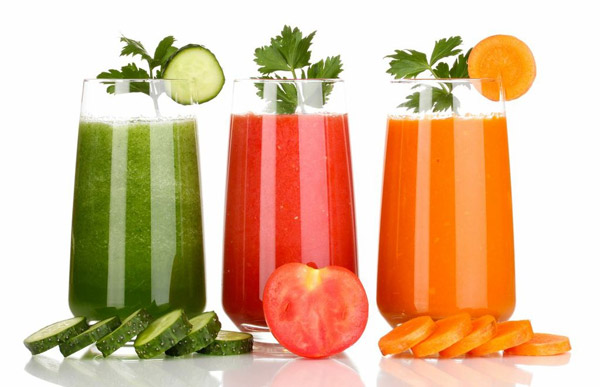
- The best and probably the most cost effective way of being able to remove the toxins from your body is to start eating more fresh fruit and vegetables, try not to add too many spices or oil to them. Steamed vegetables are a better option in order to retain the vital nutrients that you require to assist your body during the detoxification period. Orange, yellow and red-orange foods are rich in carotenoids such as beta-carotene, lutein and lycopene. More than 600 carotenoids occur naturally, but carotenes are the most widely known. Carotenes, destroy free radicals in lipids, enhance immune response and protect cells against UV radiation. Green plants on the other hand, contain particularly large amounts of chlorophyll, which is a detoxifier. Foods rich in chlorophyll include chlorella and other blue-green algae, beet greens, bok choy, collards, dandelion greens, kale, mustard greens and nettles. Another class of vegetables with potent detoxifying abilities are those of the crucifer family which includes broccoli, bok choy, Brussels sprouts, cabbage, cauliflower, mustard greens, radishes and turnips.
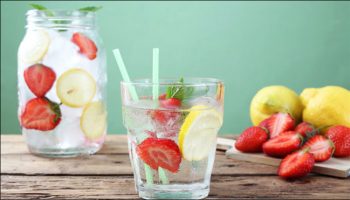
- Drink plenty of water, not less than 2 liters. If you find that water is a little bland, then try and jazz it up a bit with some lemon juice or even flaxseed, both of which act as a fairly good laxative.
- Foods and liquids that promote good defecation and urinary excretion are all forms of rice, including rice cakes, rice crackers and rice pasta, brown rice. Other good options include kidney beans, pinto beans, mung beans, garbanzo beans (chickpeas) and adzuki beans. Split yellow and green peas and lentils are easiest to digest and require the least soaking time. Incase of nuts and seeds, good options include flaxseed, pumpkin seeds, sesame seeds, sunflower seeds, almonds, cashews and walnuts. Nut butters are permitted. Peanuts and peanut butter are usually not recommended.
- Cleanse and protect the liver by taking herbs such as dandelion root, burdock and milk thistle, and drinking green tea.
- Take vitamin C, which helps the body produce glutathione, a liver compound that drives away toxins.
- Last but not the least, take the time to chew food well, especially grains.
Other Ways to Detox are:
- Breathe deeply to allow oxygen to circulate more completely through your system.
- Transform stress by emphasizing positive emotions.
- Practice hydrotherapy by taking a very hot shower for five minutes, allowing the water to run on your back. Follow with cold water for 30 seconds. Do this three times, and then get into bed for 30 minutes.
- Sweat in a sauna so your body can eliminate wastes through perspiration.
- Exercise is a good detoxifier, Yoga or jump-roping are good. One hour every day. Also try qigong, a martial-arts based exercise system that includes exercises specifically for detoxifying or cleansing, as well as many other exercises with specific health benefits.
- Skin brushing is another ways to remove toxins through your pores. Special brushes are available at natural products stores.
|
Sample list of foods to avoid on a detox diet. |
| Sugar Includes sugar, products containing sugar, and hidden forms of sugar, such as sucrose, dextrose, corn syrup, brown sugar, and turbinado. Artificial sweeteners are usually not recommended. Stevia and erythritol are allowed natural sweeteners. |
| Dairy Products Milk, butter, cream cheese, sour cream, and other dairy products. |
| Wheat Wheat and products containing wheat, such as pasta and bread. |
| Gluten All gluten-containing grains: wheat (including spelt, triticale, and kamut), rye, and barley. |
| Coffee Although most detox diets recommend avoiding coffee, both regular and decaffeinated, one cup a day is usually acceptable and may reduce the occurrence of caffeine withdrawal headaches. |

|
Other Foods to Avoid |
|
Yeast |
|
|
|
Alcohol |
|
|
|
Food additives and preservatives |
|
|
|
Chocolate |
|
|
Where Do You Begin?
First, lighten up your toxin load. Eliminate alcohol, coffee, cigarettes, refined sugars and saturated fats, all of which act as toxins in the body and are obstacles to your healing process. Also, minimize use of chemical-based household cleaners and personal health care products (cleansers, shampoos, deodorants and toothpastes), and substitute natural alternatives.
Another deterrent to good health is stress, which triggers your body to release stress hormones into your system. While these hormones can provide the “adrenaline rush” to win a race or meet a deadline, in large amounts they create toxins and slow down detoxification enzymes in the liver. So it’s a good idea to detox stressful life situations along with detoxifying your body. Yoga and meditation are simple and effective ways to relieve stress by resetting your physical and mental reactions to the inevitable stress life will bring.
Disclaimer
The Content is not intended to be a substitute for professional medical advice, diagnosis, or treatment. Always seek the advice of your physician or other qualified health provider with any questions you may have regarding a medical condition.