This dangerous equation can lead to heart disease, diabetes, migraine and is even suspected to be the cause of some cancers.
You can have the same body fitness, no matter what your age, genetics, gender, or body style. You have the same ability to build muscle as you did in your youth. The exercises that kept you lean and tone at 20 will keep you lean and tone at 50. As you age, you should have even greater motivation to eat right and workout.

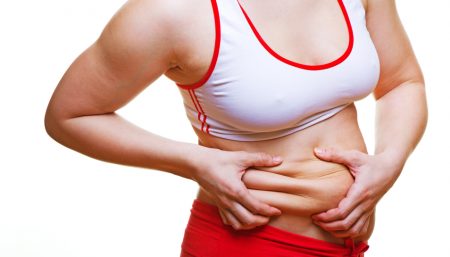
As most of would would be knowing, there are two main types of fat in the waist area. Visceral fat, stored beneath your abs, is deposited between the internal organs. This is the type of abdominal fat gives the stomach a “beer belly” or “pot belly” appearance, in which the abdomen protrudes but at the same time feels hard when you touch it. Subcutaneous fat, on the other hand, is stored just under the skin. It is what gives a belly a flabby, wobbly appearance. Both types of belly fat can be harmful to the health, but visceral fat even more so.
The next question that follows is what all to do to maintain that body, answer is simple; a combination of exercise- cardio & strength training combined with a low fat diet.
Choose Low-GI Carbs
Carbs that have a high Glycemic Index (GI) (Scale that measures a carbs effect on blood glucose levels. The scale ranges from 1 to 160. 70 to 160 is high, 56 to 69 is medium, and 55 and below is low.) rating are quickly broken down by the body and cause a rapid, large rise in blood glucose levels, which in turn triggers the pancreas to release large amounts of insulin. Insulin is necessary for the body to be able to use glucose for energy, but high amounts of insulin promote fat storage in the body. In contrast, low-GI carbs, which take much longer to digest, cause only a small, slow rise in the blood glucose and insulin levels. In addition, low-GI foods reduce cravings—which could lead to weight gain—as they provide the body with a slow, steady supply of energy. Most non-starchy vegetables, legumes and fruit have a low GI rating while most refined carbohydrate-rich foods and potatoes are rated high on the Glycemic Index.
A carb that measures really high on the GI scale will go into the blood stream very fast and cause your blood sugar levels to sky rocket. A carb that measures low on the GI will be fed into the blood stream a little at a time while it’s being digested. |
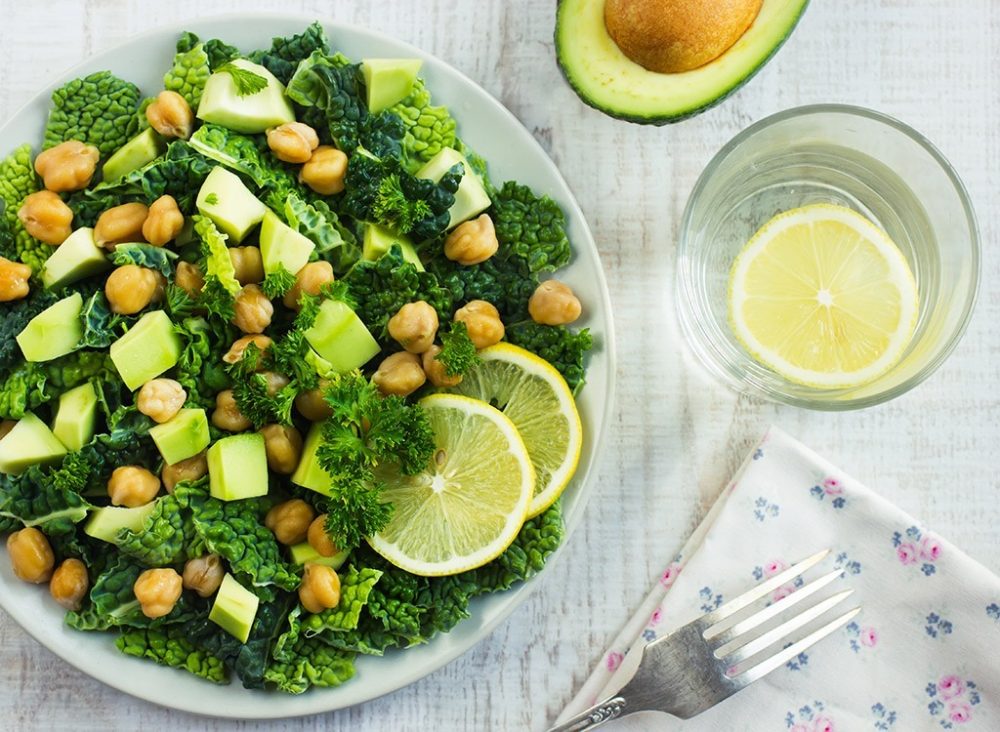
Any carbohydrate source will increase belly fat if the amount of carb calories it delivers are great enough to increase insulin. However, simply having too many calories increases belly fat, too. To a very small extent whole grains do have an advantage – they contain fiber and tiny amounts of some essential nutrients. But for someone who has problems with belly fat (central adiposity), whole grains are basically almost as bad as white flour. The extra calories have to be stored somewhere and the first place your body places them is outside the portal vein of the liver, around your stomach and the organs in the visceral cavity.
How to Switch to a Low GI Diet
The basic technique for eating the low GI way is simply by swapping high GI carbs for low GI carbs. For example,
- Use breakfast cereals based on oats, barley and bran
- Use breads with wholegrains, stone-ground flour, sour dough
- Reduce the amount of potatoes you eat
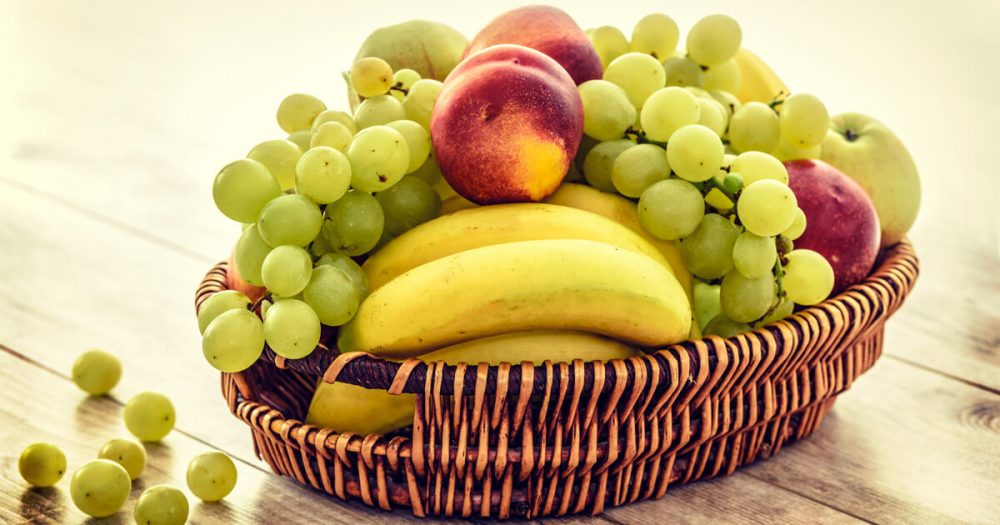
- Enjoy all other types of fruit and vegetables
- Use Basmati or Doongara rice
- Enjoy pasta, noodles, quinoa
- Eat plenty of salad vegetables with a vinaigrette dressing
Another study indicates that, the liver is a key tissue in mediating weight gain induced by excess carbohydrates. According to a team led by biochemistry and nutritional sciences professor James Ntambi reported that a gene in the liver, called SCD-1, is what causes mice to gain weight on a diet laden with carbohydrates.
Watch Out for Fats but Don’t Eliminate the Good Fats Completely
Fat contains more than twice as many calories as protein or carbohydrates. A gram of fat provides 9 calories (39kJ) whereas a gram of carbohydrates or protein contains 4 calories (16.8kJ). Fat also has a low thermogenic effect, that is, the body uses very little energy for the breakdown of fat (only 0-3 percent of its calorific value). In contrast, protein has a high thermogenic effect (20-30 percent), which means that the body burns a significant share of the calories provided by a protein-rich meal in the process of breaking down and digesting the meal.
At the same time, it is important not to completely eliminate all fats from diet. Essential fatty acids (EFAs)—found in large quantities in such foods as nuts, seeds, fatty fish and unrefined whole grains—are absolutely necessary for the proper functioning of the body. These fats cannot be synthesized by the body and must therefore be obtained through diet.
In contrast, saturated fats — found in foods from animal sources like meat and dairy, should be avoided. These fats have been shown to promote fat accumulation and weight gain. The body does need saturated fats in very small amounts for some particular purposes, but the body is able to synthesize its own saturated fatty acids when needed. Trans fats, formed in a chemical process that food manufacturers use to turn liquid oils into solid fats need to be avoided as they can lead to a higher overall body weight, even when the total caloric intake is controlled. They are most often found in fried foods, vegetable shortenings, hard margarine, cookies, crackers, chips, and baked goods.
Other factors:
These two factors play a predominant role in your abdominal weight gain. Other factors which can play a major role are,
- Genetics
- Excess calorie intake
- Alcohol consumption- most of the indigested alcohol is converted into acetate by the liver, which is then released into the bloodstream. Studies have shown that acetate is used by the body in preference over other fuels, particularly fat, thus putting the breaks on fat loss,
- Late Dinner
- Inadequate physical activity
- Prolonged stress
- Poor sleep, and
- Menopause & hormonal irregularity.
Take action now before things go out of control. Enroll on a diet and exercise program, Today.
* Exercise moderately for 30 minutes a day. Find an activity you enjoy, such as swimming, walking or dancing. By making changes to your lifestyle, you can include exercise in your daily routine without having to go to the gym or run a marathon.
Disclaimer
The Content is not intended to be a substitute for professional medical advice, diagnosis, or treatment. Always seek the advice of your physician or other qualified health provider with any questions you may have regarding a medical condition.