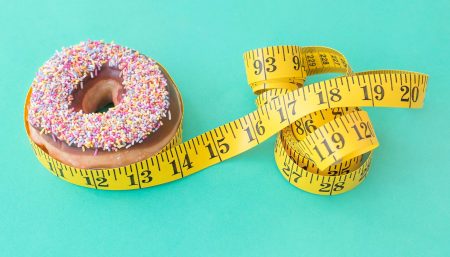
Obesity is an ever-increasing problem in affluent countries. But if you plan to lose weight and stay slim, there is only one answer. You need to find a healthy way of eating that becomes part of your life for ever, not just as a temporary diet. Along with building extra physical activity into your daily routine, this tried and tested approach is the one that works best.
Quick-fix diets
The main conclusions of research into the success or failure of diet products and weight-loss plans are sobering. They show that, after people stop dieting, most of them regain all the weight they may have lost, while some gain even more.
Glamorous brochures and promises of instant weight loss are undeniably seductive. But miracles do not happen in the real world: fast track diets are impractical and shortsighted. Many take the form of milk shakes, designed to replace one or more meals. The drinks contain a wide range of nutrients. But they have serious drawbacks:
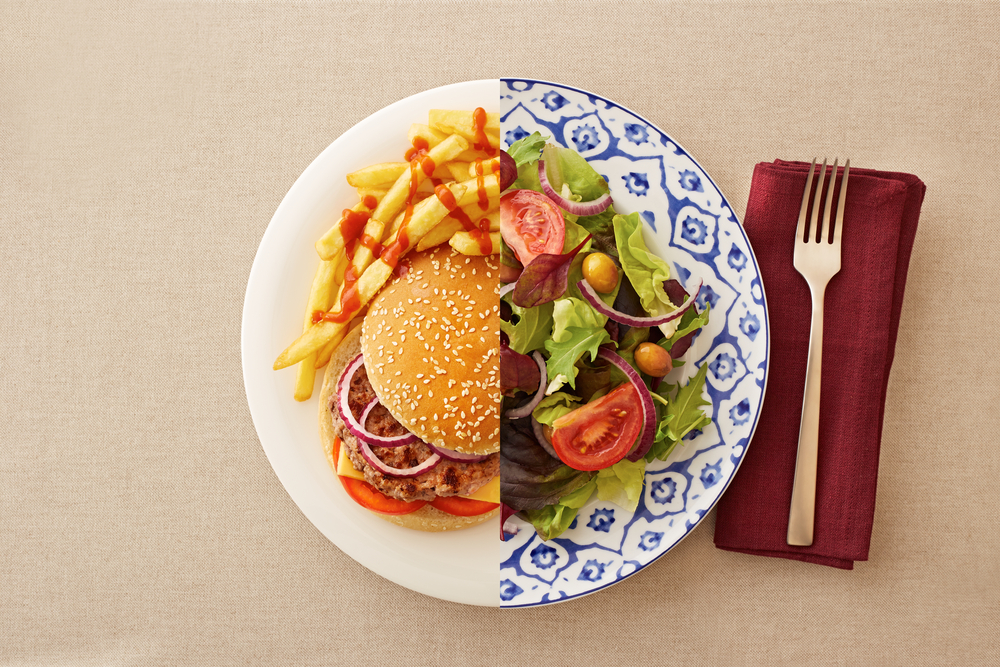
- They offer little or no education about making the gradual changes in eating and exercise routines that are necessary for successful long-term weight control.
- They frequently encourage rapid weight loss, even though there is no healthy way to achieve this.
- They produce a typical ‘dieting mentality’: using the products means that you are ‘going on a diet’ rather than choosing a regular, healthy eating pattern. This attitude to food has its own psychological pitfalls and can be highly de-motivating.
- They may be misused by people who are obsessed with being thin and who do not need to lose weight.

Yo-Yo dieting –Some diets do promote gradual, steady weight-loss. But others promise results within an unrealistically short time. This creates an endless cycle: sudden weight-loss followed by equally fast weight-gain. This ‘on-again, off-again’ approach can be harmful: fluctuating changes in weight put a strain on the heart. One study has shown that changes such as these during adulthood increase the risk of heart disease and cancer. Extreme dieting may also lead to irregular menstruation: this is especially the case in young girls, some of whom take dieting to such excess, they stop menstruating completely.
Joining a club – Reputable slimming groups provide support and advice while you lose weight. The aim of most clubs is to help you to change your eating behavior.
Portion-control – Ready-made calorie-counted meals are popular choices. They are often labeled as ‘diet’ or ‘low-calorie’. But the portion sizes tend to be small: this is usually why they are so low in calories. But you can always give a positive boost to the health values of these meals by accompanying them with the recommended servings of fruit and vegetables from the Five Food Groups

Getting physical- The most effective way to maintain a balanced weight and healthy metabolism is to increase your levels of physical activity. This triggers the release of endorphins, the body’s natural painkillers: these combat stress and also help to energies you.
- Try to incorporate simple activities into your routine and work up to 30 minutes of daily sustained exercise.
- Walk as much as possible; walk the dog, take the children out or simply park the car farther away from the house.
- Always walk at a pace that leaves you slightly out of breath.
- Use the stairs instead of the lift, or run up and down the steps at home.
- If you have an exercise bike, set it up in front of your television and cycle through your favorite soap.
- Take up a fun sport: go swimming or line-dancing with friends.

Use Measurable targets
Here are a few examples of the energy expenditure derived from various activities. They are all measured in Calories-per-hour units: you should check the time you spend on the activity and work out the sum from that:
- Light to moderate exercise: These use 50-300 Calories per hour: ironing; making beds; sweeping floors; hand-washing clothes; light gardening; washing your car; walking at 2-3 mph on a level surface; cycling at 5 1/2 mph on a level surface; bowling.
- Moderate exercise: To use up 300-400 Calories per hour try: digging; mowing the lawn; pulling weeds; badminton; canoeing (at 4 mph); dancing; playing golf (no cart); walking at 3 1/2-4 mph on a level surface; ping-pong; volleyball.
- Heavy exercise: These will burn up around 420-600 Calories per hour: chopping wood; digging holes; climbing; waterskiing; jogging at 6-7 mph; walking at 5 mph on a level surface, walking upstairs, walking up-hill; cycling at 5-6 mph up and down-hill.
Disclaimer
The Content is not intended to be a substitute for professional medical advice, diagnosis, or treatment. Always seek the advice of your physician or other qualified health provider with any questions you may have regarding a medical condition.