People tackle weight loss in ways that suit their lifestyles. But the safest and best way to shift excess pounds is to combine regular exercise with a balanced calorie-controlled diet. What you eat when you are trying to take off weight should not be that different from a normal eating plan-except for the amount you consume. Your basic weight loss ethos is less sugar and saturated fats, more fibre and starch; the calories you eat should come from foods that supply you with the right number of nutrients to keep your body functioning properly.

Quick weight loss is inspiring, but it is important to think ahead too: you need to retrain your palate and eating habits and reassess your physical activity so that you can lose weight and weight and stay slim. You cannot expect to achieve miracles in a few days, but you will see a difference within three or four weeks if you eat properly and exercise regularly. Losing weight successfully is like getting fitter: you need a horizon – or goal – ahead of you to help spur you on.
HOW MUCH WEIGHT CAN I LOSE?
To lose weight you have to eat fewer calories than your body burns up every day, but the amount varies from person to person. The exact amount depends on your personal composition – how much fat your body has, your metabolism, and the amount you weigh to begin with. As a rule of thumb though, the heavier you are when you start slimming, the more weight you are likely to lose within 21 days or a month. When you lose weight it comes off all areas of your body, but it can take longer to shift from certain areas, such as your arms and legs. This is where exercise is particularly helpful: working on specific trouble spots will encourage the weight to come off more quickly.
EATING OUT – AND STAYING ON COURSE
The best way to get around the problem of dining out without lapsing – without drawing attention to yourself and still being able to enjoy yourself – is as follows:
- Order a salad starter.
- Skip bread or breadsticks, or eat a piece of bread without butter – it can be just as delicious.
- Drink one glass of wine, and lots of water.
- Choose a simple main course, something like grilled fish or chicken; avoid anything that is drenched in a rich sauce or in lots of butter.
- Choose a simple low fat dessert: a sorbet is ideal.
- Finish with herbal tea (peppermint is very refreshing and settles your stomach after eating); or, if you have to have a coffee, choose espresso or black coffee, not cappuccino.
ABSOLUTELY AVOID
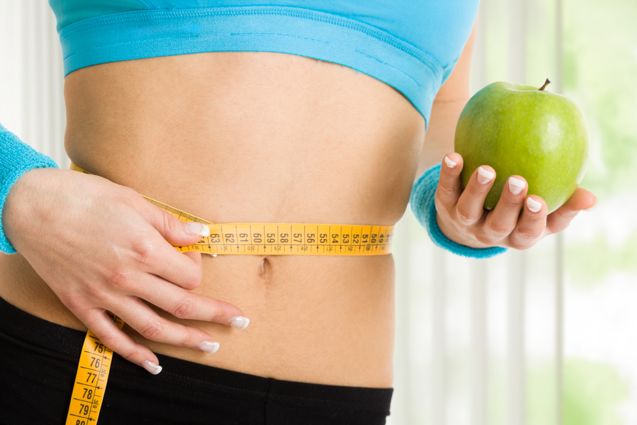
Chocolate, biscuits, doughnuts, fizzy drinks, cakes, ice cream, sugared cereals – in fact anything that contains refined sugar, it’s just empty calories: a confectionery bar, for instance, has 230 calories and has absolutely no food value.
SLIMMER’S TIPS
- If you can, eat more at the start of the day to give you energy and time to burn off the calories.
- Eat little and often to stop hunger pangs.
- Drink lots of water.
- If you want to snack, keep a supply of raw fruit, vegetables, and raisins nearby.
- Don’t be tempted to take slimming pills, diuretics, or laxatives to speed up weight loss; they upset the body’s natural equilibrium – something that can take considerable time to rebalance.
- Exercise regularly; extra activity uses up calories, and this is essential to weight loss.
- Don’t give up if you lapse: it is quite normal to veer off track every so often, and as long as you get back on course as soon as you can, all your hard work will not be ruined.
If I Stop Smoking Will I Gain Weight?
|
Do not be tempted to skip meals. Skipping meals makes you crave, overeat at the next meal, and it slows down your metabolism, which ultimately hinders weight loss. If you only have a small amount to lose and you cut your calorie intake by 1000 from the recommended 2300 calories per day, you will lose weight; if you are aiming to lose a significant amount, stick to 1200 calories a day and you will get there.
Disclaimer
The Content is not intended to be a substitute for professional medical advice, diagnosis, or treatment. Always seek the advice of your physician or other qualified health provider with any questions you may have regarding a medical condition.