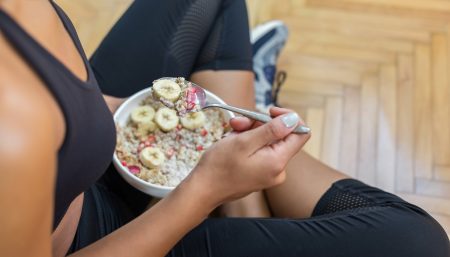
Good nutrition is essential for optimal health and top performance during any physical activity.Exercise, whether intensive or mild, increases both fluid and nutrient requirements. Incorporating the right foods and beverages prior to all exercise is essential for peak performance, whether for a brisk walk, heavy workout, or a competition.
Research shows that proper food and fluid intake prior to working out or engaging in a competition will improve endurance. Results also show that athletes who eat prior to exercise feel better and find the activity less rigorous than those who choose to fast.
The athlete who risks eating and drinking too close to a competition or workout may suffer from gastrointestinal distress such as nausea and cramping.
Pre-workout diet
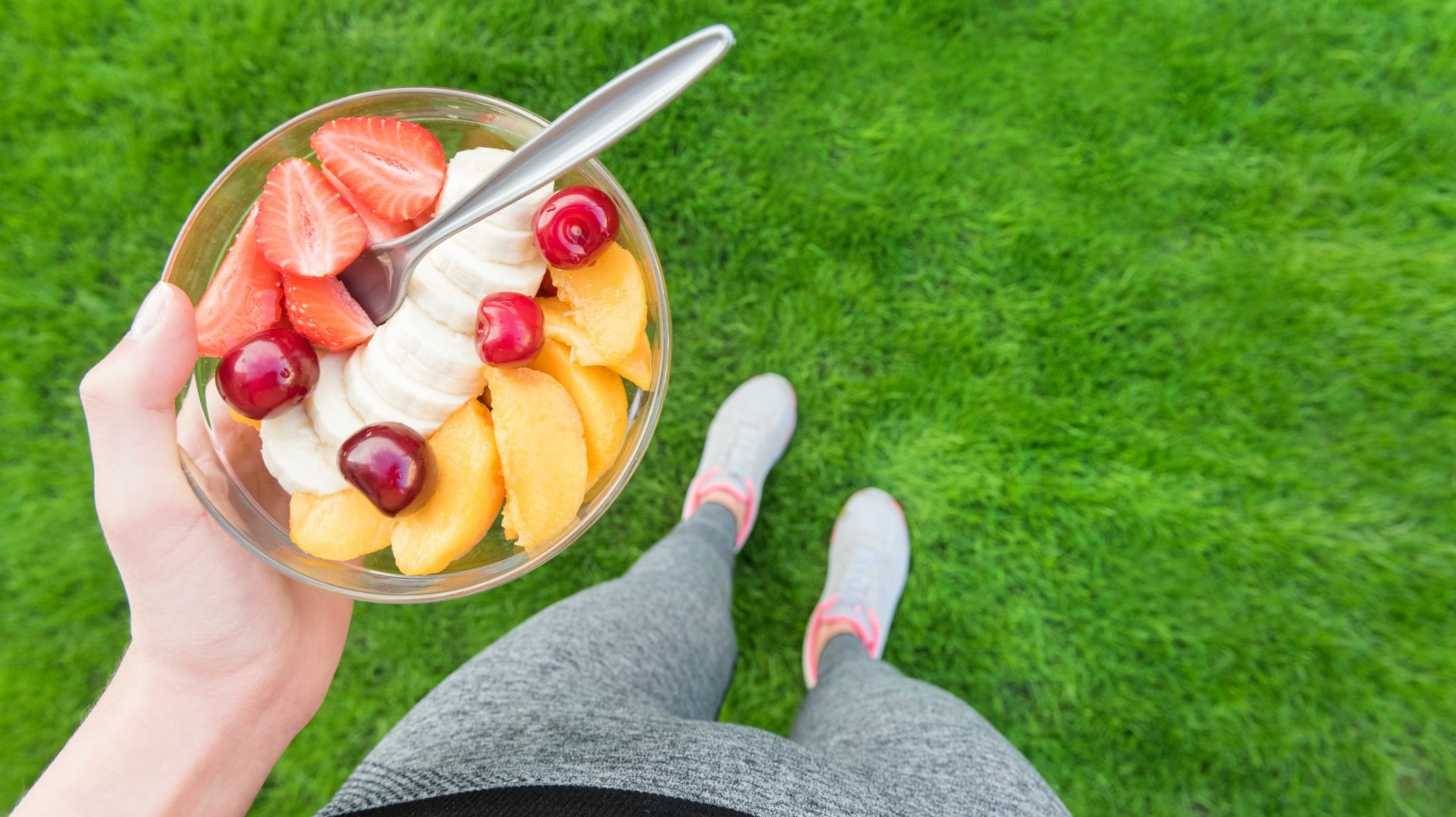
Specific guidelines for eating prior to a workout or competition are:
- Eat approximately three hours before your competition or workout. Food consumed before exercise is only useful once it has been digested and absorbed. This means you need to time your food intake so that the fuel becomes available during the exercise period. The time required for digestion depends on the type and quantity of food consumed. Large quantities of foods take longer to digest than smaller quantities. You need to experiment to find the timing that best suits your individual needs. Generally, athletes in sports involving lower intensity activity, or sports where the body is supported (e.g. swimming, cycling) are able to tolerate more food in the gut than sports such as running where the gut is jostled about during exercise.
- Eat foods that contain mostly complex carbohydrates, low-to-moderate amounts of protein, and low amounts of fat. Generally, foods high in fat, protein and fibre tend to take longer to digest than other foods, and may increase the risk of stomach discomfort during the event. It has been suggested that low GI foods could be useful in the pre-event meal as they would result in a slower and more sustained release of glucose during exercise maintaining blood glucose levels for a longer period. However, keep in mind that many low GI options (lentils, porridge, multigrain bread) may not be suitable as they are more likely to cause stomach discomfort.
- Do not introduce new foods in diet- If you are preparing for a competition, it is not a good idea to introduce new foods and beverages into your diet.
- Your pre-workout or pre-competition meal should contain 85 to 200 grams of carbohydrates, which will supply 400 to 800 calories.Carbohydrates are basically substances that serve as sources of energy. Types of carbohydrates found in different foods include complex carbohydrates (starches, fruits, vegetables), which contain fiber, and simple sugars (juice, desserts, sweets).
- If you are nervous or anxious about the upcoming competition, then you may replace your meal with a liquid-nutrition meal supplement.
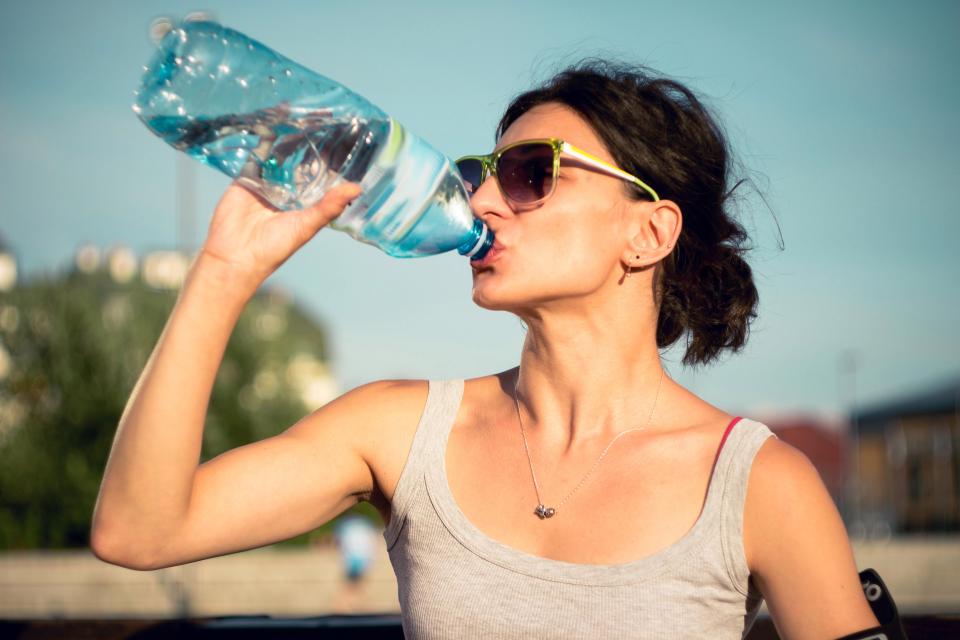
- Drink 16 to 20 ounces of water or sports drink one to two hours prior to your exercise or competition. This will provide a base of proper hydration for your body. Dehydration can result in decreased performance, and if not resolved in a timely manner, could result in a host of medical problems. Those engaging in exercise or competition from the weekend warrior to the competitive athlete, cannot depend on thirst for fluid replacement and should, therefore, force themselves to drink even if they’re not thirsty.
- Consuming a sports beverage a few minutes prior to exercise or competition will help you maintain your blood glucose levels. A sports drink offers the added benefit of rebuilding diminished stores of glycogen.
- Drink approximately four to eight ounces of fluid immediately before you start a workout or competition.
- If you are within two to three hours of a workout or competition, decrease the size of your meal.

- High-carbohydrate meals are recommended for pre-workout and pre-competition.Carbohydrate loading is only necessary if you will be performing nonstop activity for more than 90 minutes. If you are engaging in marathons, hiking, biking, or other elongated and constant workouts, then carbohydrate loading may enhance your performance. An example meal for someone 200 lbs. would be 60 g PRO, 30 g CHO, 0 g Fat. The theory behind pre-workout protein consumption is that since protein takes time to digest, eating it pre-workout will allow it to be available post-workout when the body needs it to synthesize new muscle mass.
- If you are working out or competing at higher altitudes, a carbohydrate diet supplying about 70 percent of your calories may be beneficial. It can have a positive effect on maximal oxygen uptake giving increased plasma insulin, increased glucose, and prolonged time to exhaustion.
Some easy-to-prepare meals prior to a workout or competition include:
- Cereal with skim milk and fruit.
- Turkey sandwich with tomato, whole-grain bread溶o mayonnaise.
- Pasta with low-fat sauce.
- Whole-grain bagel and low fat cheese.
Post- Workout Diet
This meal is probably the most important meal you can eat. Your post-workout meal serves to give you the energy to recover from your workout and replace what was lost as result of training. In weight training and performance cardiovascular exercise this is even more true. After you train your naturalmetabolism is burning red hot and can take much more nutrients at once and still not store it as fat. Regardless of your goals, this should be your biggest meal.
- Carbohydrate intake should continue at two-hour intervals for up to four hours. If this does not occur, then glycogen repletion and endurance will be impaired.
- The equivalent of two cups (one pint) of fluid should be ingested for each pound of body weight lost. If exercise or competition is in excess of one hour, your body is at risk for excessive sodium and potassium loss. While most electrolytes are replaced at the post-workout or competition meal,sports beverages will be beneficial if the athlete is not hungry or unable to have an appropriate meal.
- The size of this meal is dependent on the intensity and duration of the activity. If you trained using a total body routine for 45 minutes to an hour at a high intensity you’d have a vastly different requirement for nutrients post-workout than you would if you went in a gym and trained just arms.
- You should be eat high glycemic carbohydrates as they promote a high release of insulin and, therefore, higher glycogen storage.
- Protein should be eaten in high amountsagain at around .75 to 1 g per kg again (37.5 to 50 g again following our example).
- Fat should be eaten in small amounts if at all.
Good daily eating habits are essential for optimal health and performance. For the athletic person or the athlete, careful planning of your food and fluid intake relative to any physical activity is vital to achieve peak performance. Eat to win, and you will.
Disclaimer
The Content is not intended to be a substitute for professional medical advice, diagnosis, or treatment. Always seek the advice of your physician or other qualified health provider with any questions you may have regarding a medical condition.