In people with diabetes the amount of glucose (or sugar) in the blood becomes abnormally high. This is due, either to failure of the pancreas to produce enough of the hormone insulin or to the lack of insulin actions. Type I diabetes usually affects young adults and is due to a lack of insulin normally produced by the pancreas. In type II diabetes which usually starts affect the age of 40 the pancreas produces inadequate amounts of insulin and there is reduction in the sensitivity of the body cells to the actions of insulin. Type II diabetes is often triggered by obesity.
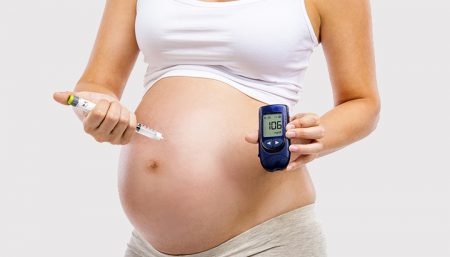
Women with diabetes who are being treated with insulin need to be particularly careful to take meals at regular meals. Diabetics are no longer limited to a high-carbohydrate/low-fat diet, according to the latest guidelines issued by the American Diabetes Association (ADA). The recommendations indicate that:
- Foods containing carbohydrates from whole grains, fruits, vegetables and low-fat milk should be included in a healthy diet.
- The total amount of carbohydrates in meals or snacks is more important than the source or type.
- Sucrose (table sugar) and sucrose-containing foods do not need to be restricted.
- Non-nutritive sweeteners are safe when consumed within the acceptable daily intake levels established by the Food and Drug Administration.
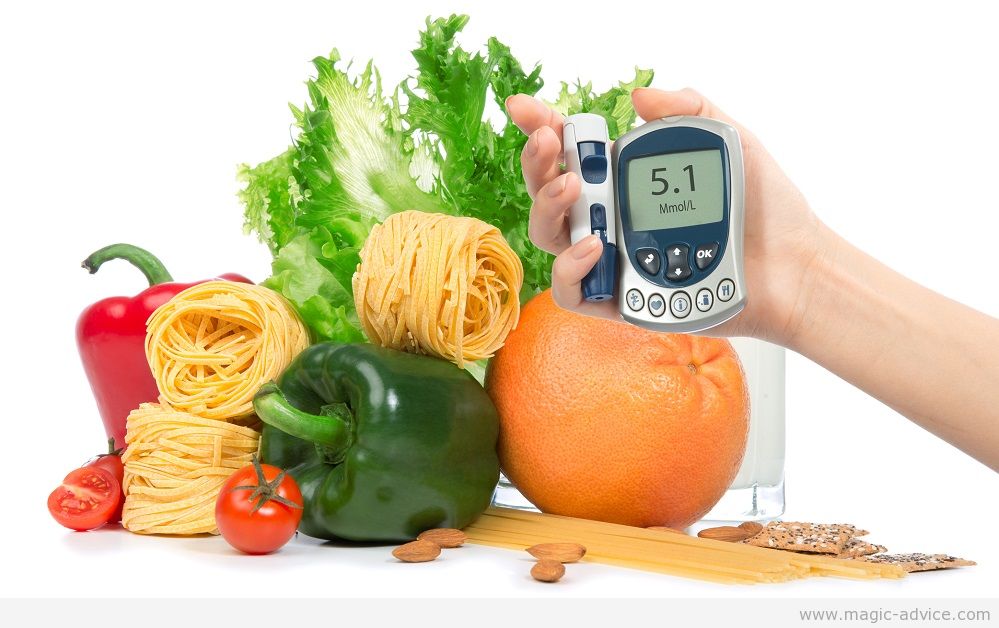
Specifically, the new guidelines recommend that carbohydrate and monounsaturated-fat intake should account for 60 to 70 percent of calorie intake, and 15 to 20 percent of caloric intake should come from protein. Carbohydrate food sources recommended by the panel include whole grains, fruits, vegetables and low-fat milk. Olive, canola and peanut oils, as well as avocados and some nuts, are rich in monounsaturated fats. According to the new guidelines, less than 10 percent of caloric intake should come from saturated fats. A dietary cholesterol intake of less than 300 milligrams a day is recommended, and trans-unsaturated fatty acids should be minimized. The most important nutrient in the treatment of diabetes is manganese which is vital in the production of natural insulin. It is found in citrus fruits, in the outer covering of nuts, grains and in the green leaves of edible plants. Other nutrients of special value are zinc, B complex vitamins and poly-unsaturated fatty acids.
Recommended Foods
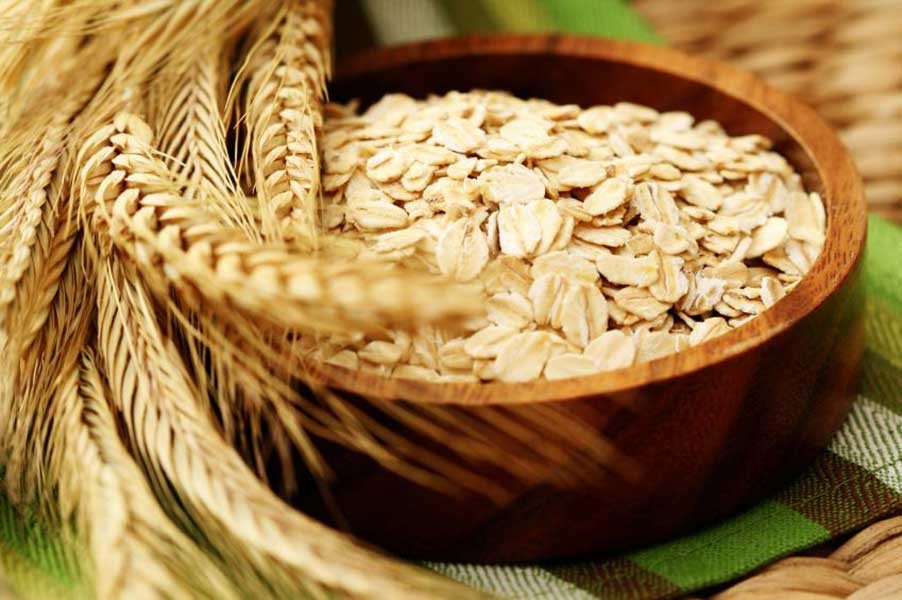
- Oats contain soluble fibre, which slows the rate at which sugar is absorbed into the blood and also reduces blood cholesterol. Raised cholesterol levels are a risk factor associated with diabetes.
- Beans, Chickpeas and Lentils are rich in soluble fibre and raise blood sugar levels slowly. They are good sources of carbohydrates, protein and fibre.
- Apples, pears, apricots, cherries, grapefruit, oranges, peaches and plums provide soluble fibre and release sugar into the bloodstream slowly. These fruits make excellent snacks.
- Pasta, sweet potatoes, and rye bread provide, a slow steady release of energy and they are good source of carbohydrates for those with diabetes.
Bananas and grapefruit are good for diabetics as long as you eat them in moderation and in rotation. - Whole grain bread, brown rice, whole meal pasta and wholegrain breakfast cereals are rich in insoluble fibre. They supply zinc and chromium which enhances the action of insulin.
- Low fat yogurt and skimmed milk are very low in total and saturated fats. These products provide carbohydrates, protein and calcium.
- Lean red meat, poultry without skin, fish and tofu can be low fat sources of protein. Limiting fat can help to prevent weight gain and reduce the risk of increasing blood cholesterol.
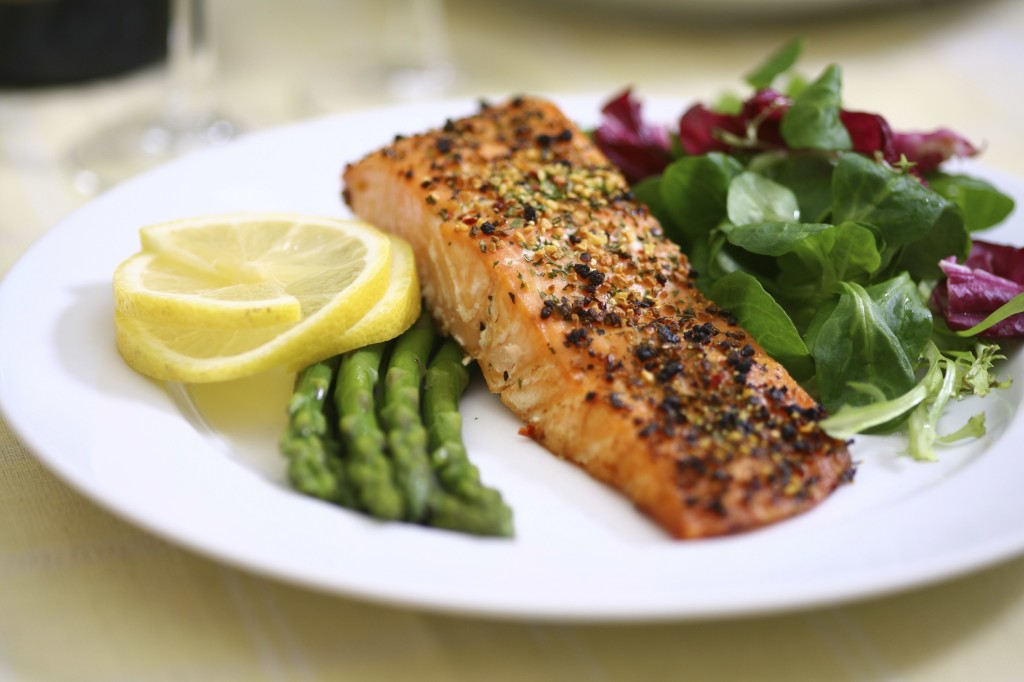
- Mackerel, Salmon, Sardines and pilchards supply omega 3 fatty acids which are believed to help educe the risk of heart disease.
- Flax, Hemp and pumpkin seeds supply omega 3 fatty acids. A mixture of these seeds can be sprinkled on to breakfast cereals or desserts.Fruits and vegetables are excellent sources of potassium, a deficiency of which is associated with glucose intolerance. They are low in calories and supply a variety of antioxidant vitamins, minerals and phyto-nutrients. Include vegetables like, Asparagus, broccoli, beet leaves (boiled), Jerusalem artichokes, cauliflower, dandelion greens, green peas, mustard greens, alfalfa sprouts, parsley, radish, spinach, kale, tomatoes, turnip greens, green beans. Celery, cucumbers, string beans, onion and garlic are especially beneficial.
- Beverages: Pure water, herbal coffee substitutes, herbal teas such as dandelion root, raspberry leaf, alfalfa, comfrey, nettle. Do not drink coffee and caffeine containing beverages. Do not drink alcoholic beverages and wines. Keep milk to a minimum. It is very mucus forming.
- Herbs: Cedar berries, juniper berries, golden seal, sumac berries, dandelion root, blueberry leaves, raspberry leaves.
|
Food to Avoid
- Sausages, burgers, meat pie and other fatty meat products, butter, cheese and other full-fat dairy products contain significant amounts of saturated fats which can raise blood cholesterol levels. Consumption of these foods needs to be kept to an absolute minimum.

- Eat less fried foods and take-aways. Grill, microwave, boil, poach or bake rather than frying in fat.
- Soft Margarines that do not state, they are low in trans fats are best, avoided. Trans fats have a similar cholesterol raising effect to saturated fats.
- Sweets and sugar in rich foods need to be restricted. The exception to this advice is when someone with type I- diabetes has a sudden drop in blood sugar levels. Fast releasing sugar is then need to restore blood sugar levels quickly.
Others Measures
- Exercise is important. In order to control body weight and prevent diabetes, physical activity may help the body to process sugar more efficiently. People with type I diabetes need to balance exercise with insulin injections and food intake. Light games, jogging and swimming are recommended.
- Yogic asanas such as bhujangasana, shalabhasana, dhanurasana, paschimottanasana, sarvangasna, halasana, ardha-matsyendrasana and shavasana, yogic krisyas like jalneti and kunajl and pranayamas such as kapalbhati, anuloma-viloma and ujjai are highly beneficial.
- Brewer’s yeast, is a rich source of chromium which improves the action of insulin.
- Guar gum is extracted from a seed. When added to foods such as bread it helps to slow the rate at which blood sugar levels are raised.
- Pectin can be extracted from fruits. When taken in drinks, such as, skimmed milkshakes if may reduce the amount of insulin required to lower blood sugar levels.
- Psyllium seeds are small dark reddish brown seeds that form a sticky mass when mixed with water. Taken just before a meal psyllium seeds may reduce levels of glucose in the blood.
Related Links
- Top 10 To prevent Hypoglycaemia
- Top 10 tips for a Healthy Liver and Lymph
- Top 10 Do’s For Women With type II Diabetes
- Top 10 to increase Fiber Power
- For Lower Cholesterol Make It A Double
- Fruit-vegetables and bone health
Disclaimer
The Content is not intended to be a substitute for professional medical advice, diagnosis, or treatment. Always seek the advice of your physician or other qualified health provider with any questions you may have regarding a medical condition.